The Perils of Self-Deception: A Deep Dive into Proverbs 26:16
“The sluggard is wiser in his own conceit than seven men that can render a reason.” — Proverbs 26:16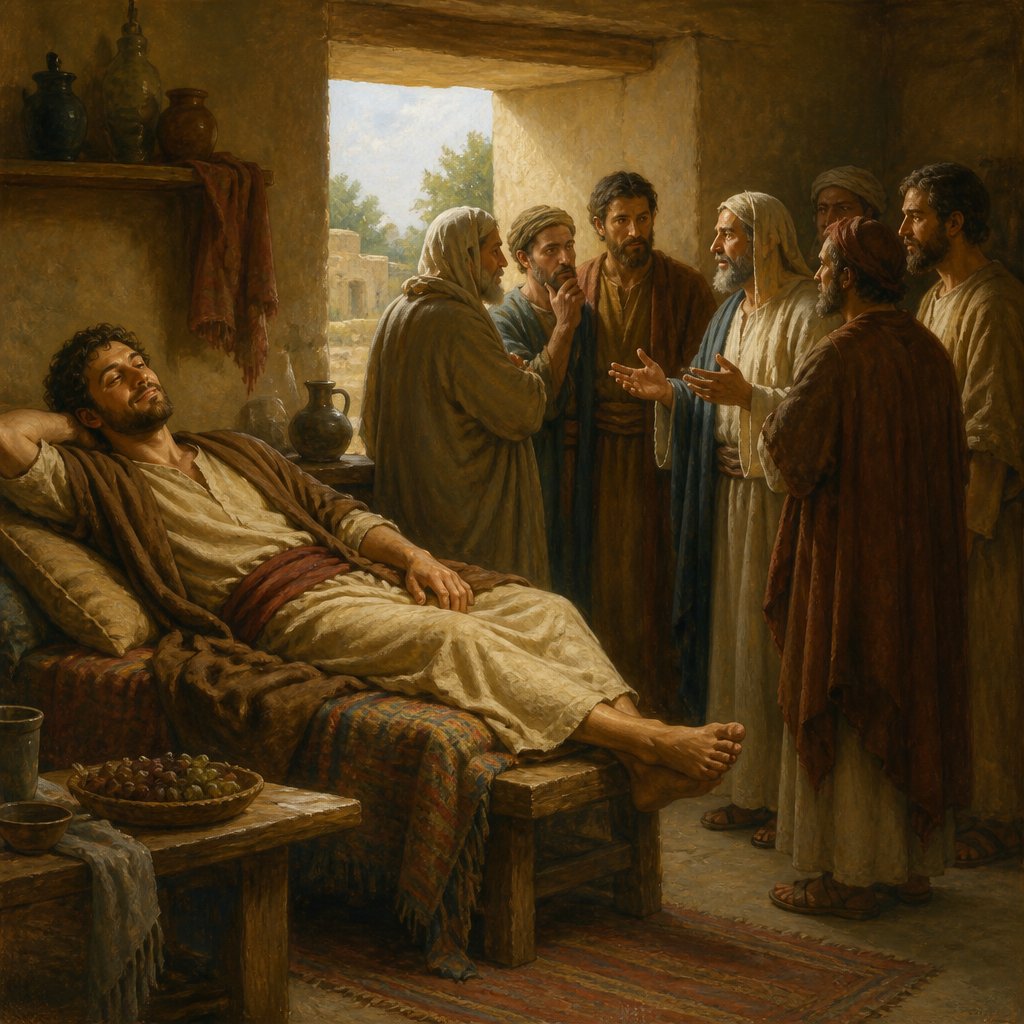
In our fast-paced, achievement-driven society, we often overlook one of the most subtle yet dangerous human dispositions: that of self-deception. The verse from Proverbs 26:16 (KJV) states, "The sluggard is wiser in his own conceit than seven men that can render a reason." This powerful statement serves as a warning against the dangers of pride and complacency, urging us to reflect on our attitudes towards work and wisdom.
At first glance, this verse speaks about a sluggard—a person who is habitually lazy and unmotivated. But the text takes an interesting turn by highlighting that the sluggard believes he possesses wisdom that surpasses even that of seven men with the ability to reason. This imagery isn't just poetic; it serves as a stark reminder of how the ego can blind individuals to their failures and limitations.
The wisdom of the sluggard, or more accurately, his self-perceived wisdom, is a reflection of our human tendency to overestimate our own understanding while underestimating the insights of others. The number seven in biblical context is often associated with completeness or perfection. Here, the verse suggests that the sluggard's conceit makes him believe that he is wiser than even the most competent and capable people available—seven men who can reasonably articulate thoughts and ideas.
As we meditate on this verse, we must ask ourselves: Are we embracing the wisdom of humility, or are we allowing pride to distort our self-perception? Pride can manifest in various ways; in our work ethic, relationships, or decision-making processes. When we align ourselves with a sluggard's mindset, we risk missing out on valuable lessons that others, particularly those who are diligent and wise, have to offer. In our daily lives, we must remember that being teachable is a virtue; recognizing that we don't know everything opens us to growth.
Moreover, the implications of being a sluggard extend beyond personal laziness; they also affect our spiritual journey. Proverbs 6:6 exhorts us to "Go to the ant, thou sluggard; consider her ways, and be wise." The ant embodies diligence, foresight, and responsibility—qualities we should emulate in our walk of faith. To have a lazy spirit is to disconnect ourselves from God’s call to work earnestly towards His purposes.
Much like the sluggard in Proverbs, we sometimes construct our own narratives to justify our struggles and shortcomings. We might tell ourselves that we are waiting for the right moment or for the stars to align before we act. But this is often just procrastination cloaked in self-justification. Such reasoning diminishes our capacity for growth and ultimately leads us down a path of regret.
Instead, we can reflect on Jesus' parable of the talents (Matthew 25:14-30), which emphasizes the importance of using the gifts and talents God has given us. Each servant was entrusted with a measure of resources and had a responsibility to actively engage with them. The servant who buried his talent was condemned not just for his lack of action, but for his misguided perception of his master's character. He presumed that his fear and inactivity were justified, but in truth, they led to his downfall.
As followers of Christ, we are called to embody a spirit of diligence and humility. We must continuously seek God’s wisdom through prayer and the Scriptures. Let us not be like the sluggard who lives in his own conceit but strive to surround ourselves with wise counsel, to learn from those who can render a reason, and to actively engage in our Christian walk.
In conclusion, let us embrace a humble heart and a diligent spirit, discarding the pitfalls of self-deception. By recognizing our need for continuous growth and learning, we can be vessels for God’s work. May we remember the message of Proverbs 26:16, and in doing so, seek not only to avoid becoming like the sluggard but to embody the diligent virtues of faith, humility, and a willingness to learn.
Get our apps


Artwork for Proverbs 26:16

Proverbs 26:16 - "The sluggard is wiser in his own conceit than seven men that can render a reason."
"The sluggard is wiser in his own conceit than seven men that can render a reason." - Proverbs 26:16

Proverbs 16:26 - "He that laboureth laboureth for himself; for his mouth craveth it of him."
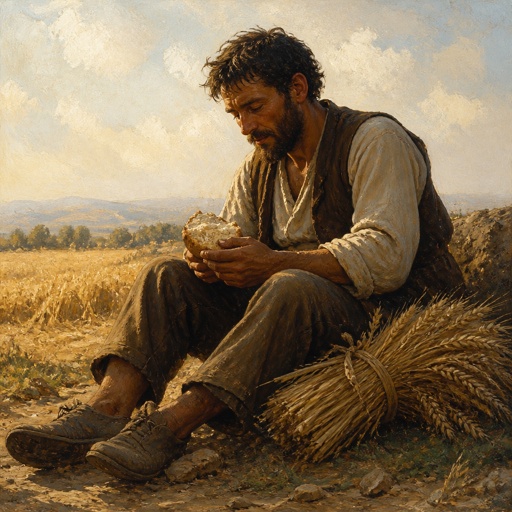
"He that laboureth laboureth for himself; for his mouth craveth it of him." - Proverbs 16:26

Proverbs 26:15-16 - "The sluggard buries his hand in the dish; it wears him out to bring it back to his mouth. The sluggard is wiser in his own eyes than seven men who can answer sensibly."

Proverbs 7:26

Proverbs 26:20

Proverbs 26:26 - "Whose hatred is covered by deceit, his wickedness shall be shewed before the whole congregation."

Proverbs 26:14-16 - "As a door turns on its hinges, so does a sluggard on his bed. The sluggard buries his hand in the dish; it wearies him to bring it back to his mouth. The sluggard is wiser in his own eyes than seven men who can answer sensibly."

Proverbs 7:26-27

Proverbs 16

Proverbs 30:26 - "The conies are but a feeble folk, yet make they their houses in the rocks;"

Proverbs 27:26 - "The lambs are for thy clothing, and the goats are the price of the field."

Proverbs 27:16

Proverbs 26:18 - "As a mad man who casteth firebrands, arrows, and death,"

Proverbs 26:7 - "The legs of the lame are not equal: so is a parable in the mouth of fools."

Proverbs 26:3 - "A whip for the horse, a bridle for the ass, and a rod for the fool's back."

Proverbs 26:13 - "The slothful man saith, There is a lion in the way; a lion is in the streets."

Proverbs 15:26 - "The thoughts of the wicked are an abomination to the LORD: but the words of the pure are pleasant words."

Proverbs 20:26 - "A wise king scattereth the wicked, and bringeth the wheel over them."

Proverbs 26:1 - "As snow in summer, and as rain in harvest, so honour is not seemly for a fool."

Proverbs 26:22 - "The words of a talebearer are as wounds, and they go down into the innermost parts of the belly."

Proverbs 22:26 - "Be not thou one of them that strike hands, or of them that are sureties for debts."

Proverbs 17:26 - "Also to punish the just is not good, nor to strike princes for equity."

Proverbs 16:16 - "How much better is it to get wisdom than gold! and to get understanding rather to be chosen than silver!"

Proverbs 26:28 - "A lying tongue hateth those that are afflicted by it; and a flattering mouth worketh ruin."

Proverbs 4:26 - "Ponder the path of thy feet, and let all thy ways be established."

Proverbs 24:26 - "Every man shall kiss his lips that giveth a right answer."

Proverbs 26:8 - "As he that bindeth a stone in a sling, so is he that giveth honour to a fool."

Proverbs 26:23 - "Burning lips and a wicked heart are like a potsherd covered with silver dross."