The Perils of Hasty Words
“Seest thou a man that is hasty in his words? there is more hope of a fool than of him.” — Proverbs 29:20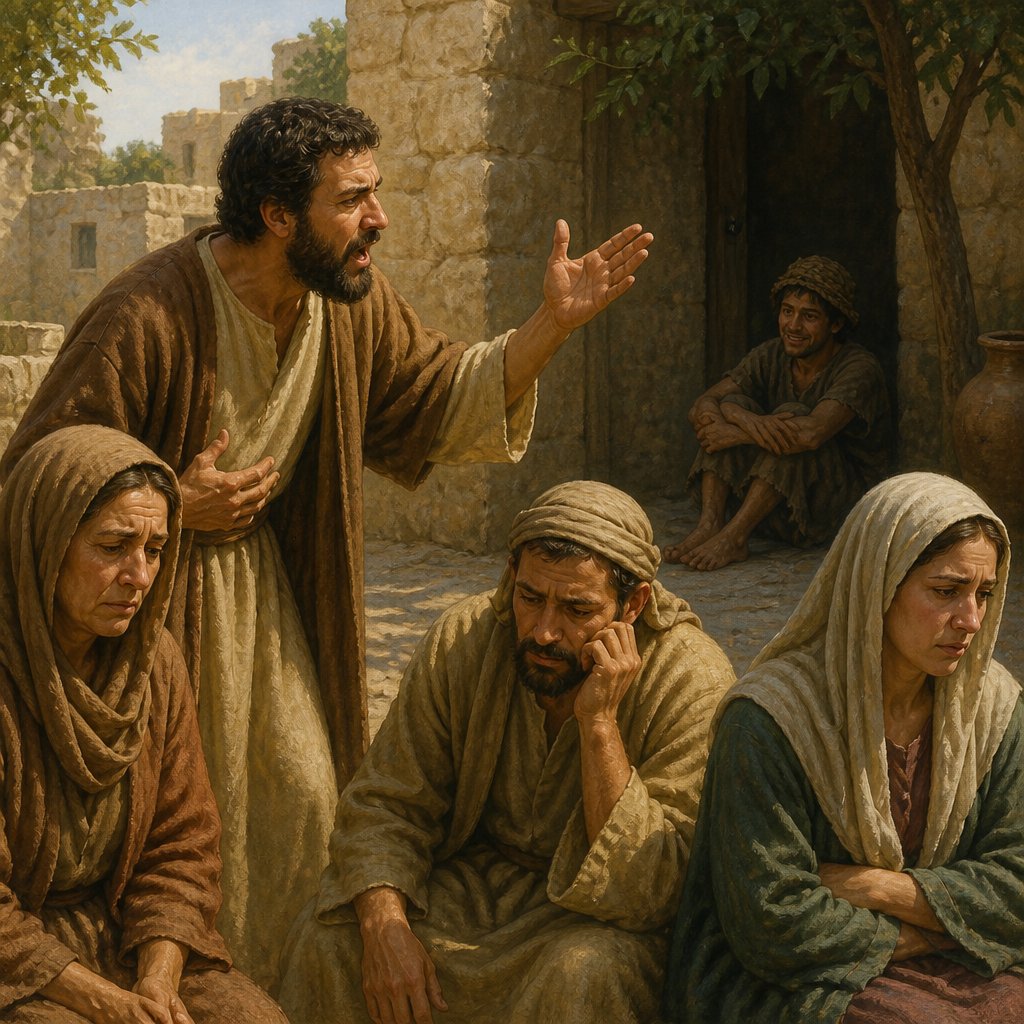
Proverbs 29:20, in the King James Version, states: "Seest thou a man that is hasty in his words? there is more hope of a fool than of him." This verse stands as a stark reminder of the power and consequences of our speech. In a world where verbal communication is instantaneous and often thoughtless, it is crucial for us to reflect on the weight our words carry, both for ourselves and for those around us.
The writer of Proverbs contrasts a hasty speaker with a fool, delivering a striking lesson about the value of self-control and thoughtfulness in our communication. To be hasty is to act quickly and without careful consideration. It often stems from impatience or a desire to dominate a conversation. Yet, in this impetuousness, we may find ourselves causing irreparable damage to relationships, reputations, and even our own spiritual health.
Hasty words can express frustration, anger, or disappointment, and while they may offer a fleeting release of emotion, they rarely contribute positively to any discussion. Once spoken, words cannot be unsaid; they linger in the air, embedded in the hearts of those who hear them. Proverbs reminds us that in our haste, we may appear more foolish than those we deem foolish. A fool may act without knowledge or wisdom, but the hasty speaker dismissively lets slip words that undermine their understanding and discernment.
Consider the implications of hasty words in our daily interactions. How many conflicts have arisen from a careless comment made in anger? How many friendships have been strained due to impulsiveness in conversation? As Christians, we are called to reflect the wisdom of God in our interactions, and Proverbs highlights the shortcoming of those who act without thinking. This principle applies not only in face-to-face communication but also in written correspondence, including emails, texts, and social media.
James 1:19 offers valuable guidance, saying: "Wherefore, my beloved brethren, let every man be swift to hear, slow to speak, slow to wrath." This call to action reiterates the need for patience and wisdom in our communication. The ability to listen before speaking allows us to process our thoughts and emotions, ensuring our words build up rather than tear down.
Reflect on the life of Jesus, who exemplified perfect communication. In the face of hostility, He often spoke with measured grace and truth. Even when confronted by accusations and insults, He chose His words carefully, revealing a profound understanding of the heart behind the issue. We must aspire to imitate Him, especially in our speech, recognizing that our words can either be a reflection of Christ's love or a distortion of His message.
On the other hand, we must also acknowledge that there will be moments in our lives when we slip up—when we are too quick to speak and too slow to reflect. In these instances, grace is available. We can seek forgiveness from those we may have hurt and ask God to cleanse our hearts from the pride that leads to thoughtlessness in conversation.
To guard against hasty words, begin by taking a moment to pause before responding, especially in heated situations. Consider the impact your words will have on others and ask yourself if they are necessary, kind, and true. Allow yourself time to reflect and pray over your response. This is a skill that can be cultivated, and it can lead to deeper, more meaningful interactions.
In conclusion, let us come before God with our challenges of speech, asking Him to shape our hearts and minds. Let's strive to be slow in our speaking, embracing a careful approach to our words, as we honor our call to reflect Christ in all that we do. May our speech be filled with hope, encouragement, and wisdom as we walk in the light of His truth.
Get our apps


Artwork for Proverbs 29:20

Proverbs 29:20 - "Seest thou a man that is hasty in his words? there is more hope of a fool than of him."

Proverbs 29:20 - "Seest thou a man that is hasty in his words? there is more hope of a fool than of him."

Proverbs 29:20 - "Seest thou a man that is hasty in his words? there is more hope of a fool than of him."
"Seest thou a man that is hasty in his words? there is more hope of a fool than of him." - Proverbs 29:20

Proverbs 20:29 - "The glory of young men is their strength: and the beauty of old men is the gray head."

"The glory of young men is their strength: and the beauty of old men is the gray head." - Proverbs 20:29

Proverbs 19:29 - "Judgments are prepared for scorners, and stripes for the back of fools."

Proverbs 1:29 - "For that they hated knowledge, and did not choose the fear of the LORD:"

proverbs 1:20

proverbs 1:20

Proverbs 29:10 - "The bloodthirsty hate the upright: but the just seek his soul."

Proverbs 29:12 - "If a ruler hearken to lies, all his servants are wicked."

Proverbs 29:7 - "The righteous considereth the cause of the poor: but the wicked regardeth not to know it."

Proverbs 20:24

proverbs 1:20

proverbs 1:20

proverbs 1:20

proverbs 1:20

proverbs 1:20

proverbs 1:20

proverbs 1:20

proverbs 1:20

proverbs 1:20

proverbs 1:20

proverbs 1:20

proverbs 1:20

Proverbs 1:20

proverbs 1:20

proverbs 1:20

proverbs 1:20