Crying Out from the Depths: A Journey of Hope and Deliverance
“Out of the depths have I cried unto thee, O LORD.” — Psalms 130:1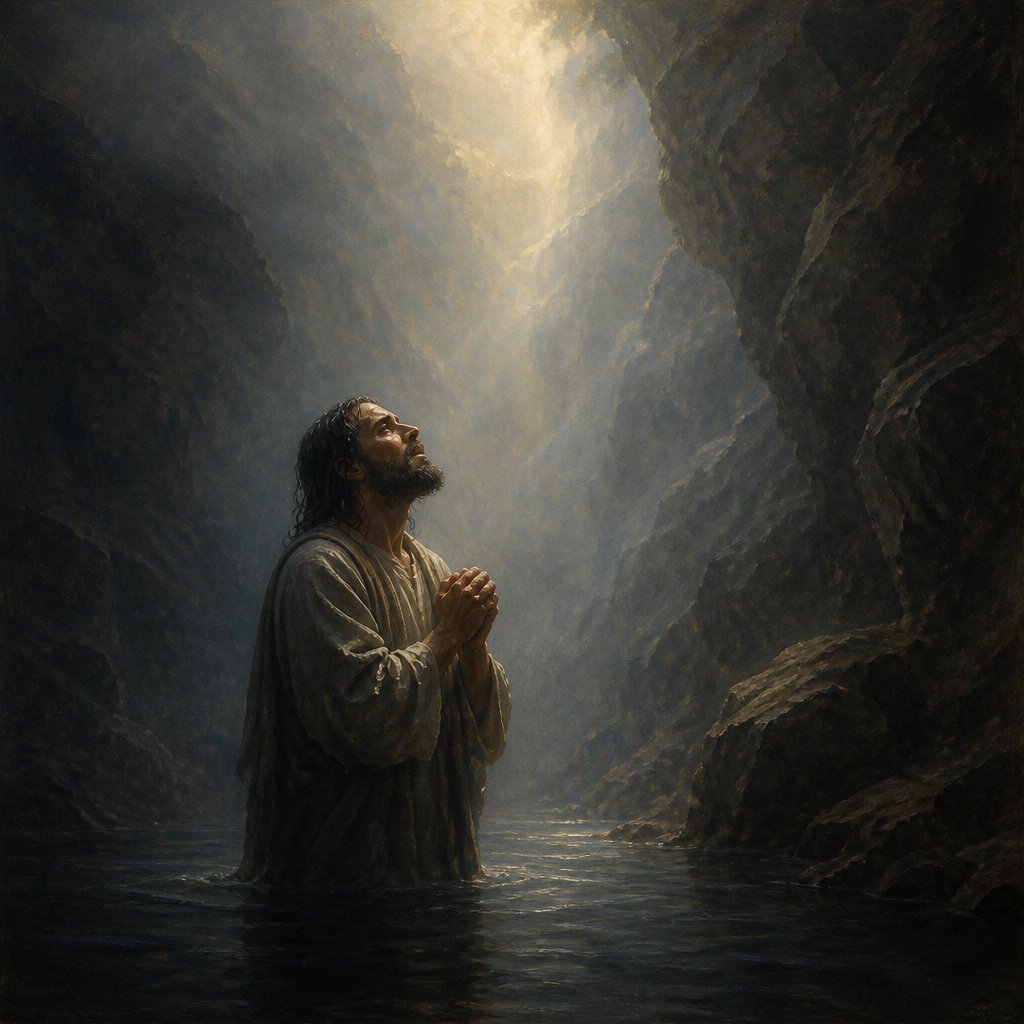
Psalms 130:1 (KJV) declares, "Out of the depths have I cried unto thee, O LORD." This profound verse encapsulates the essence of human distress and the unrelenting hope we can find when we turn to God in our most desperate moments. The imagery of crying out from the depths is particularly poignant, striking at the heart of our struggles, fears, and despair. It echoes the cries of our own souls when we feel overwhelmed by circumstances that threaten to engulf us.
The term "depths" in this verse suggests a state of extreme anguish or grief. It indicates a place far removed from light and hope, where the weight of sorrow can feel unbearable. In our lives, many of us experience these depths; moments of profound loss, sickness, betrayal, or loneliness. It is in these moments that we find ourselves crying out to God, seeking rescue from an emotional, spiritual, or physical abyss.
As we delve into the context of Psalm 130, we discover that it is classified as one of the Songs of Ascents, sung by pilgrims journeying to Jerusalem. This journey was not just a physical trek but also a spiritual ascent towards God. The act of crying out from the depths represents the first step of this ascent—a moment of honesty with God about our pain and desperation. It serves as a reminder that we don’t need to hide our struggles from Him. Instead, we are invited to bring our deepest sorrows to Him. This acknowledgment is the beginning of healing and connection.
Looking deeper into this verse, we can observe several key themes:
1. **The Honesty of Crying Out**: In our fast-paced lives, we often feel pressured to wear a mask, showing only what is acceptable or admirable. Yet, Psalm 130 invites us to shed those masks, to be raw and genuine before the Lord. The act of crying is not just about expressing sorrow; it's about acknowledging our vulnerabilities and recognizing that we are in desperate need of divine intervention. Like the psalmist, we must be unashamed to voice our pleas, echoing our need for His presence and assistance.
2. **Calling on the Lord**: The psalmist does not merely cry out; he cries "unto thee, O LORD." This emphasizes the direction of his cry. In our struggles, it is easy to be consumed by despair and to call out to anyone who will listen, including ourselves or social media platforms. However, the psalmist acknowledges that ultimate hope and deliverance come from the Lord alone. He recognizes the sovereign power of God, who is capable of lifting us from the depths. Our cries must lead us to seek Him, trusting that He hears us and will respond.
3. **The Birth of Hope**: Psalms 130 is not merely a lament but also a promise of hope. As we cry out to God, it positions us to be receptive to His answers and the peace that surpasses understanding. Our cries can transform into prayers of expectation, where we rest in the assurance that God is aware of our plight. Deliverance may not come instantaneously, but in the waiting process, we find strength and comfort in His presence.
4. **A Community of Crying**: Finally, this verse is a beautiful reminder that we are not alone in our depths. The language of the psalm is collective—often, we cry out alongside others who share similar struggles. It challenges us to create a community that is safe for lamentation, where we bear each other's burdens and pray together. This shared experience of crying out can lead to collective healing and restoration, encouraging us to lift each other up.
In conclusion, Psalms 130:1 holds an enduring lesson for us. When we find ourselves in life’s depths, let us not hesitate to cry out to the Lord. May we embrace the honesty of our pleas, the direction of our cries, and the hope that emerges from our dependence on Him. The depths we traverse are merely the backdrop for the beautiful story of redemption that God longs to weave in our lives.
Get our apps


Artwork for Psalms 130:1

Psalms 130:1 - "Out of the depths have I cried unto thee, O LORD."
"Out of the depths have I cried unto thee, O LORD." - Psalms 130:1
psalm 130

Psalms 130:6 - "My soul waiteth for the Lord more than they that watch for the morning: I say, more than they that watch for the morning."

Psalms 130:4 - "But there is forgiveness with thee, that thou mayest be feared."

Psalms 130:7 - "Let Israel hope in the LORD: for with the LORD there is mercy, and with him is plenteous redemption."

"The entrance of thy words giveth light; it giveth understanding unto the simple." - Psalms 119:130

"And he shall redeem Israel from all his iniquities." - Psalms 130:8

Psalms 130:2 - "Lord, hear my voice: let thine ears be attentive to the voice of my supplications."
"But there is forgiveness with thee, that thou mayest be feared." - Psalms 130:4

Psalms 130:8 - "And he shall redeem Israel from all his iniquities."

"Let Israel hope in the LORD: for with the LORD there is mercy, and with him is plenteous redemption." - Psalms 130:7

Psalms 119:130 - "The entrance of thy words giveth light; it giveth understanding unto the simple."

Psalms 130:3 - "If thou, LORD, shouldest mark iniquities, O Lord, who shall stand?"

Psalms 130:5 - "I wait for the LORD, my soul doth wait, and in his word do I hope."
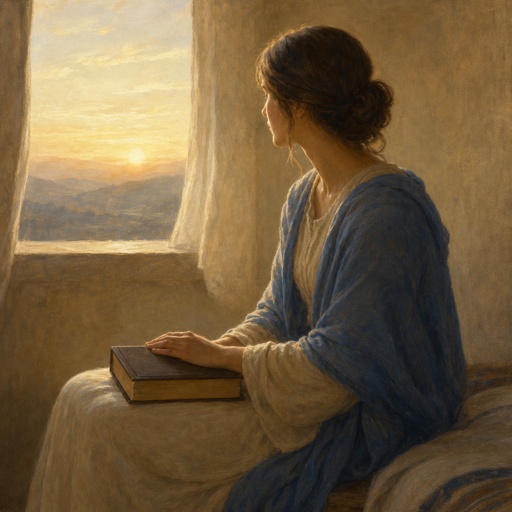
"I wait for the LORD, my soul doth wait, and in his word do I hope." - Psalms 130:5
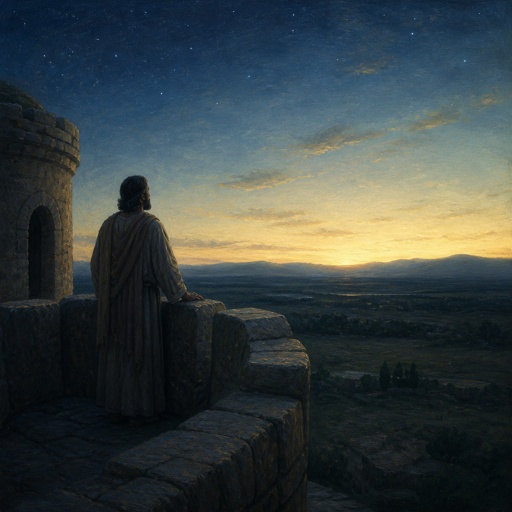
"My soul waiteth for the Lord more than they that watch for the morning: I say, more than they that watch for the morning." - Psalms 130:6
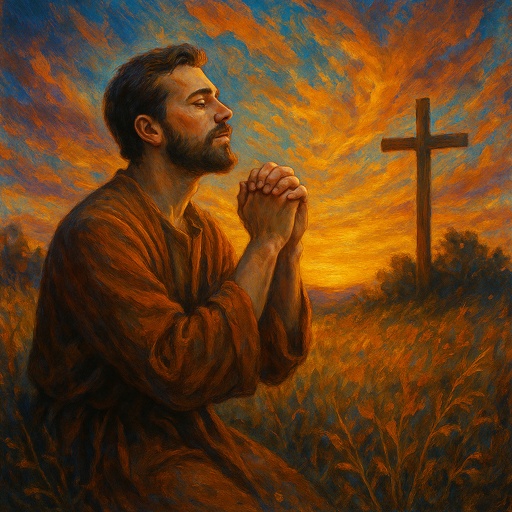
"I wait for the LORD, my soul doth wait, and in his word do I hope." - Psalms 130:5
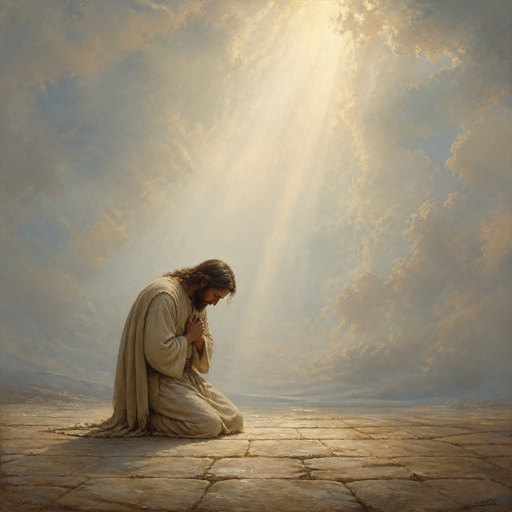
"If thou, LORD, shouldest mark iniquities, O Lord, who shall stand?" - Psalms 130:3
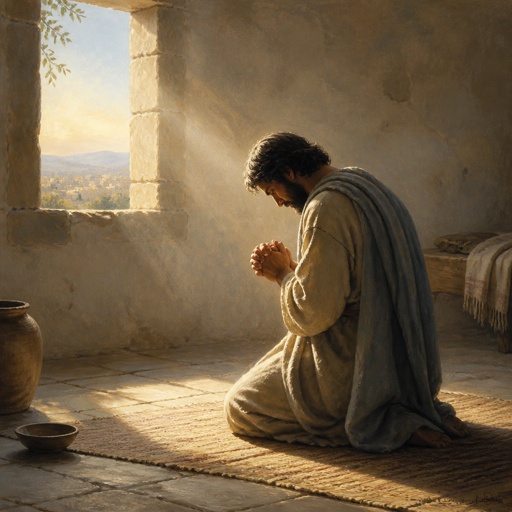
"Lord, hear my voice: let thine ears be attentive to the voice of my supplications." - Psalms 130:2

psalm 80:1-7

Psalms 128:1 - "Blessed is every one that feareth the LORD; that walketh in his ways."

Psalms 122:1 - "I was glad when they said unto me, Let us go into the house of the LORD."

Psalms 15:1 (KJVA) 1 A Psalm of David. LORD, who shall abide in thy tabernacle? who shall dwell in thy holy hill?

Psalms 15:1 (KJVA) 1 A Psalm of David. LORD, who shall abide in thy tabernacle? who shall dwell in thy holy hill?

Psalms 64:1 - "Hear my voice, O God, in my prayer: preserve my life from fear of the enemy."

Psalms 14:1 (KJVA) 1 To the chief Musician, A Psalm of David. The fool hath said in his heart, There is no God. They are corrupt, they have done abominable works, there is none that doeth good.

Psalms 14:1 (KJVA) 1 To the chief Musician, A Psalm of David. The fool hath said in his heart, There is no God. They are corrupt, they have done abominable works, there is none that doeth good.

Psalms 14:1 (KJVA) 1 To the chief Musician, A Psalm of David. The fool hath said in his heart, There is no God. They are corrupt, they have done abominable works, there is none that doeth good.

Psalms 14:1 (KJVA) 1 To the chief Musician, A Psalm of David. The fool hath said in his heart, There is no God. They are corrupt, they have done abominable works, there is none that doeth good.