The Cry of the Heart: Seeking Divine Attention
“Lord, hear my voice: let thine ears be attentive to the voice of my supplications.” — Psalms 130:2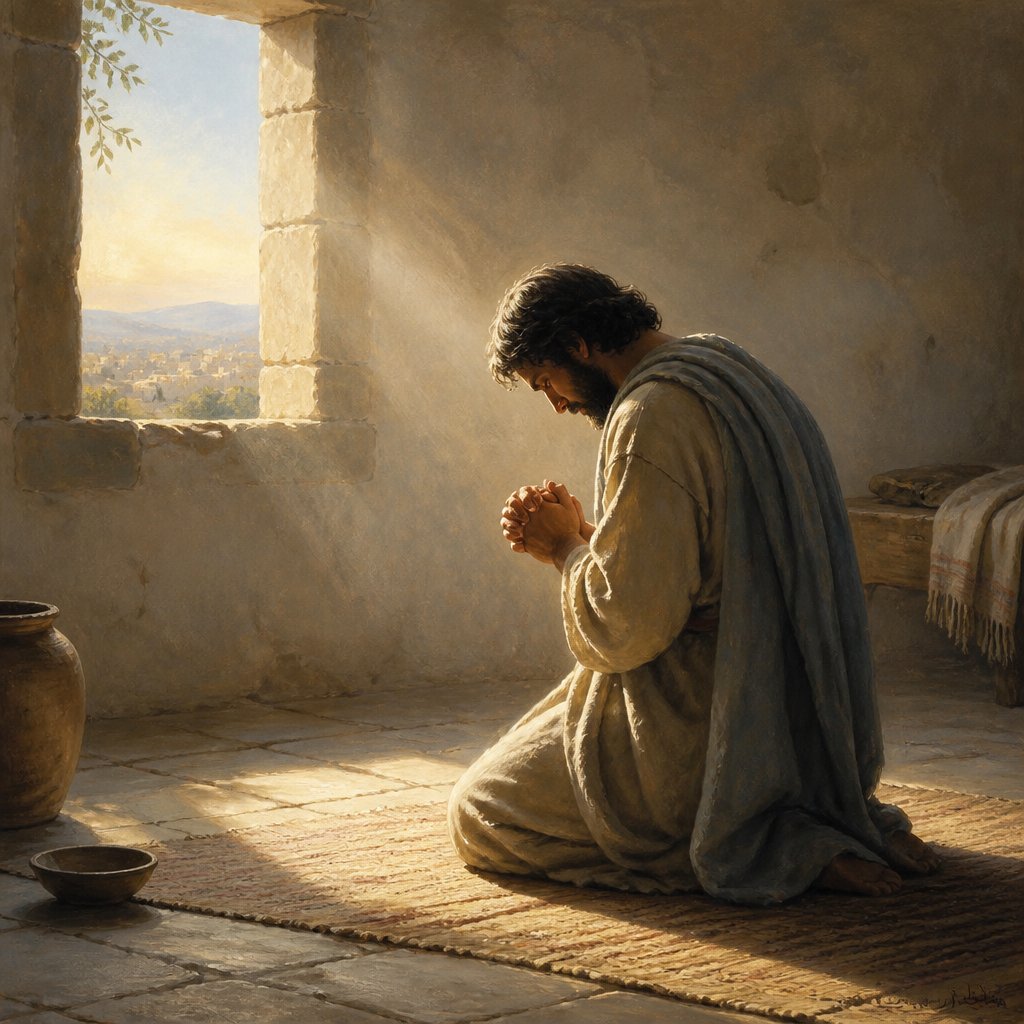
Psalm 130:2 (KJV) implores, “Lord, hear my voice: let thine ears be attentive to the voice of my supplications.” This profound passage encapsulates the essence of human desperation and the unwavering hope that lies in our relationship with God.
As we delve into this powerful verse, we are confronted with the reality of our own vulnerability. The psalmist’s heartfelt cry serves as an honest reflection of our lives, where we often find ourselves in moments of distress, seeking divine intervention. The phrase, “Lord, hear my voice,” signifies not just a request but a deep yearning for God to listen. It is an acknowledgment that in times of trouble, our voices become the channel through which we express our deepest fears, needs, and desires.
This verse invites us to examine the posture of our hearts when approaching God. Are our voices brought before Him with sincerity? Do we come in humility, recognizing our dependence on His mercy and grace? The psalmist exemplifies a profound awareness of his own limitations while simultaneously asserting his faith in God’s ability to respond.
In the context of supplication, we discover that prayer is not merely a spiritual exercise; it is an intimate conversation between the soul and its Creator. Supplication embodies the essence of need—an earnest request driven by a hope that is anchored in the nature of God. The psalmist insists, “let thine ears be attentive,” which highlights an understanding of God’s attentiveness to our prayers. It reassures us that while we may feel distant or unheard, the truth remains that God is ever-present, attentive, and aware of our circumstances.
A critical aspect of Psalm 130 is its tone of urgency. The psalmist’s cry is not a casual request but a desperate plea for help, echoing the spiritual anguish that many of us face. Through the valleys of despair and trials of life, each of us at times must summon the courage to cry out to our Lord. In doing so, we are not alone; countless believers throughout the centuries have turned to this same appeal, finding solace in the knowledge that they are heard.
Moreover, this verse prompts us to consider the collective nature of prayer. While personal supplications are vital, we must also engage in communal prayer, lifting the voices of our brethren alongside our own. The emphasis on “the voice of my supplications” creates a powerful invitation to partner in prayer, knowing that when we come together in unity, our petitions gain strength. As we support one another through prayer, we embody the essence of the Church—each member contributing to the chorus that God hears, enriching the body of Christ.
To fully grasp the weight of this verse, we must reflect on the context in which it was written. Psalm 130 is often referred to as a Penitential Psalm. It expresses contrition and acknowledges the need for divine mercy. This understanding adds depth to the psalmist’s plea, underscoring the importance of confession and reconciliation in our relationship with God. He is establishing that while he is asking for God’s ears to be attentive, he is also recognizing the grace that allows for these supplications to be heard.
In our spiritual journeys, it’s vital to remember that the act of crying out to God is an affirmation of faith in His willingness to listen and respond. Our cries of supplication are met with assurance of His love and faithfulness. He invites us to be bold in our requests, to approach His throne of grace with confidence, knowing that our weak and faltering voices tremble with hope against the backdrop of His unwavering compassion.
As we meditate on Psalm 130:2, let us embrace the call to pray fervently. Let us be persistent in our supplications, trusting in the unfailing nature of God who inclines His ear to our cries. In the moments when we feel overwhelmed or unheard, remember that our voices matter to our Lord. Allow Him the space to affirm His attentiveness, and find peace in the assurance that He is listening.
Get our apps


Artwork for Psalms 130:2

Psalms 130:2 - "Lord, hear my voice: let thine ears be attentive to the voice of my supplications."
"Lord, hear my voice: let thine ears be attentive to the voice of my supplications." - Psalms 130:2

Psalms 130:6 - "My soul waiteth for the Lord more than they that watch for the morning: I say, more than they that watch for the morning."

Psalms 130:4 - "But there is forgiveness with thee, that thou mayest be feared."

Psalms 130:7 - "Let Israel hope in the LORD: for with the LORD there is mercy, and with him is plenteous redemption."

"The entrance of thy words giveth light; it giveth understanding unto the simple." - Psalms 119:130

"And he shall redeem Israel from all his iniquities." - Psalms 130:8

"But there is forgiveness with thee, that thou mayest be feared." - Psalms 130:4

Psalms 130:8 - "And he shall redeem Israel from all his iniquities."

"Let Israel hope in the LORD: for with the LORD there is mercy, and with him is plenteous redemption." - Psalms 130:7

Psalms 119:130 - "The entrance of thy words giveth light; it giveth understanding unto the simple."

Psalms 130:1 - "Out of the depths have I cried unto thee, O LORD."

Psalms 130:3 - "If thou, LORD, shouldest mark iniquities, O Lord, who shall stand?"

Psalms 130:5 - "I wait for the LORD, my soul doth wait, and in his word do I hope."

"I wait for the LORD, my soul doth wait, and in his word do I hope." - Psalms 130:5

"My soul waiteth for the Lord more than they that watch for the morning: I say, more than they that watch for the morning." - Psalms 130:6

"I wait for the LORD, my soul doth wait, and in his word do I hope." - Psalms 130:5

"Out of the depths have I cried unto thee, O LORD." - Psalms 130:1

"If thou, LORD, shouldest mark iniquities, O Lord, who shall stand?" - Psalms 130:3

Psalms 81:2 - "Take a psalm, and bring hither the timbrel, the pleasant harp with the psaltery."

Psalms 115:2 - "Wherefore should the heathen say, Where is now their God?"
Psalms 64:2 - "Hide me from the secret counsel of the wicked; from the insurrection of the workers of iniquity:"

"Take a psalm, and bring hither the timbrel, the pleasant harp with the psaltery." - Psalms 81:2

Psalms 54:2 - "Hear my prayer, O God; give ear to the words of my mouth."

Psalms 149:2 - "Let Israel rejoice in him that made him: let the children of Zion be joyful in their King."

Psalms 5:2 - "Hearken unto the voice of my cry, my King, and my God: for unto thee will I pray."

Psalms 17:2 - "Let my sentence come forth from thy presence; let thine eyes behold the things that are equal."

Psalms 133:2 - "It is like the precious ointment upon the head, that ran down upon the beard, even Aaron's beard: that went down to the skirts of his garments;"

"Both low and high, rich and poor, together." - Psalms 49:2

Psalms 125:2 - "As the mountains are round about Jerusalem, so the LORD is round about his people from henceforth even for ever."