The Songs of Our Captivity: Finding Joy in Trials
“For there they that carried us away captive required of us a song; and they that wasted us required of us mirth, saying, Sing us one of the songs of Zion.” — Psalms 137:3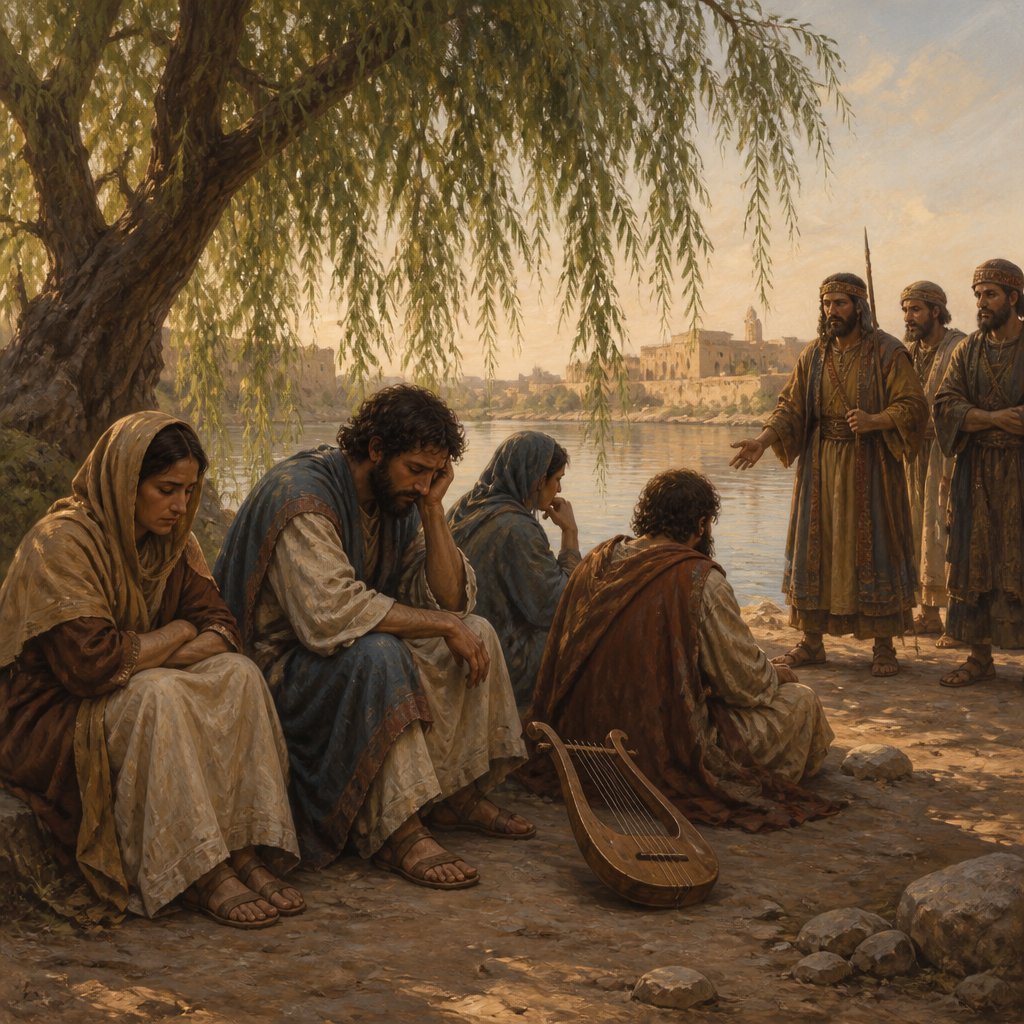
As we delve into Psalm 137:3, we encounter a poignant moment in the life of the Israelites. The verse reads: "For there they that carried us away captive required of us a song; and they that wasted us required of us mirth, saying, Sing us one of the songs of Zion."
This passage paints a vivid picture of the Israelites in exile, grappling with the profound sorrow of displacement and loss. They had been uprooted from their homeland, the cherished land of promise, and now found themselves in a foreign land under the oppression of Babylonian captors. In their grief, their captors expected them to perform – to sing the joyous songs of Zion even in the depths of their despair.
There is a stark irony in this request. The songs of Zion represented not just music, but a deep cultural identity, a history of salvation, and a remembrance of God’s faithfulness. The Babylonians, knowing the gravity of these songs, desired to witness the joy of the Israelites despite their circumstances. "Sing us one of the songs of Zion," they mocked, perhaps thinking they could tap into the same joy that had once filled these songs even as the Israelites wept.
The desire for a song while in chains speaks to a universal human experience – the expectation to perform and find joy even when circumstances seem painfully heavy. How often do we find ourselves in similar situations? Pressured to smile, to sing, and to maintain a facade of happiness amidst personal trials, we face the world with a heavy heart. Yet the expectation to produce joy while enduring struggle can deepen our sorrow and create a sense of futility.
In this context, we must recognize that the songs of Zion are not merely melodies; they are declarations of hope and trust in God, even in the darkest of times. The Israelites, though pressured to sing, felt a deep internal conflict. Their hearts were full of longing for their homeland, for the presence of God which they felt was lost with their exile. Their silence was a testament to their pain, and their inability to conform to the expectations of their captors showcased their deep spiritual dislocation.
As believers, we are called to recognize that our expressions of faith might not always fit neatly within societal expectations. Psalm 137 teaches us that lamenting is as significant to our journey of faith as singing songs of joy. There is beauty in our ability to express grief, sadness, and confusion, for it reflects our authentic relationship with God. Our cries and laments become prayers that keep us connected to the One who hears every groan of our heart.
This psalm urges us to find our voice, even in silence. When the world demands a song, sometimes our response should be an honest acknowledgment of our struggles. We must create spaces where we can voice our pain while inviting the restorative presence of God into our hardship. When we allow ourselves to sit with our grief, we also open the door for God to heal and to restore.
However, this does not mean we abandon hope. Instead, we bear witness to God’s faithfulness even amid trials. The reality of faith is that it is forged in the crucible of suffering. Just as the Israelites longed for Zion, we too must long for the Kingdom of God, manifesting through our lives, communities, and the world.
In our struggles, let Psalm 137 remind us that our songs may change, but our God remains faithful. Sometimes, we might begin with a lament, and in time, through His grace, find our hearts echoing with songs of joy. As we navigate our exiles – be they trials in relationships, health struggles, or places of despair – may we ultimately find strength in our songs, both those of grief and those of joy, recognizing that both are integral to the journey of faith.
Get our apps


Artwork for Psalms 137:3

Psalms 137:3 - "For there they that carried us away captive required of us a song; and they that wasted us required of us mirth, saying, Sing us one of the songs of Zion."

"For there they that carried us away captive required of us a song; and they that wasted us required of us mirth, saying, Sing us one of the songs of Zion." - Psalms 137:3

"Righteous art thou, O LORD, and upright are thy judgments." - Psalms 119:137

Psalms 137:2 - "We hanged our harps upon the willows in the midst thereof."

Psalms 119:137 - "Righteous art thou, O LORD, and upright are thy judgments."

"How shall we sing the LORD'S song in a strange land?" - Psalms 137:4

"We hanged our harps upon the willows in the midst thereof." - Psalms 137:2

Psalms 137:4 - "How shall we sing the LORD'S song in a strange land?"

Psalms 137:9 - "Happy shall he be, that taketh and dasheth thy little ones against the stones."

"Happy shall he be, that taketh and dasheth thy little ones against the stones." - Psalms 137:9

Psalms 137:1 - "By the rivers of Babylon, there we sat down, yea, we wept, when we remembered Zion."

Psalms 137:5 - "If I forget thee, O Jerusalem, let my right hand forget her cunning."

"If I forget thee, O Jerusalem, let my right hand forget her cunning." - Psalms 137:5

Psalms 137:7 - "Remember, O LORD, the children of Edom in the day of Jerusalem; who said, Rase it, rase it, even to the foundation thereof."

"By the rivers of Babylon, there we sat down, yea, we wept, when we remembered Zion." - Psalms 137:1

Psalms 137:8 - "O daughter of Babylon, who art to be destroyed; happy shall he be, that rewardeth thee as thou hast served us."

PSALMS 137;5 SHOWING THE OLD CITY OF JERUSALEM

"O daughter of Babylon, who art to be destroyed; happy shall he be, that rewardeth thee as thou hast served us." - Psalms 137:8

Psalms 137:6 - "If I do not remember thee, let my tongue cleave to the roof of my mouth; if I prefer not Jerusalem above my chief joy."

"If I do not remember thee, let my tongue cleave to the roof of my mouth; if I prefer not Jerusalem above my chief joy." - Psalms 137:6
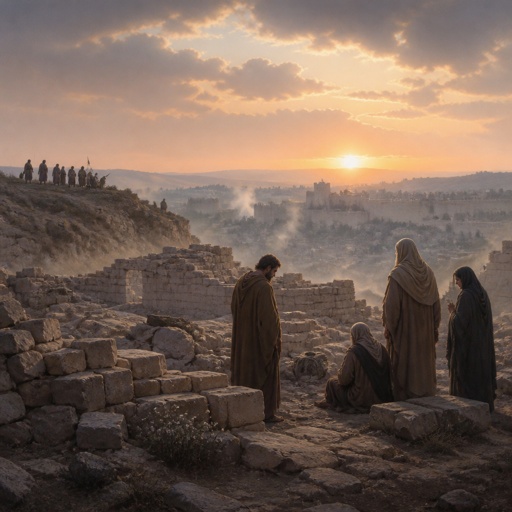
"Remember, O LORD, the children of Edom in the day of Jerusalem; who said, Rase it, rase it, even to the foundation thereof." - Psalms 137:7
Psalms 111:3 - "His work is honourable and glorious: and his righteousness endureth for ever."

Psalms 88:3 - "For my soul is full of troubles: and my life draweth nigh unto the grave."

Psalms 103:3 - "Who forgiveth all thine iniquities; who healeth all thy diseases;"

Psalms 87:3 - "Glorious things are spoken of thee, O city of God. Selah."

Psalms 67:3 - "Let the people praise thee, O God; let all the people praise thee."

Psalms 138:3 - "In the day when I cried thou answeredst me, and strengthenedst me with strength in my soul."

Psalms 116:3 - "The sorrows of death compassed me, and the pains of hell gat hold upon me: I found trouble and sorrow."

"The sea saw it, and fled: Jordan was driven back." - Psalms 114:3

"There is no speech nor language, where their voice is not heard." - Psalms 19:3