Crying Out to the Lord: A Hopeful Plea in Desperation
“I cried unto the LORD with my voice; with my voice unto the LORD did I make my supplication.” — Psalms 142:1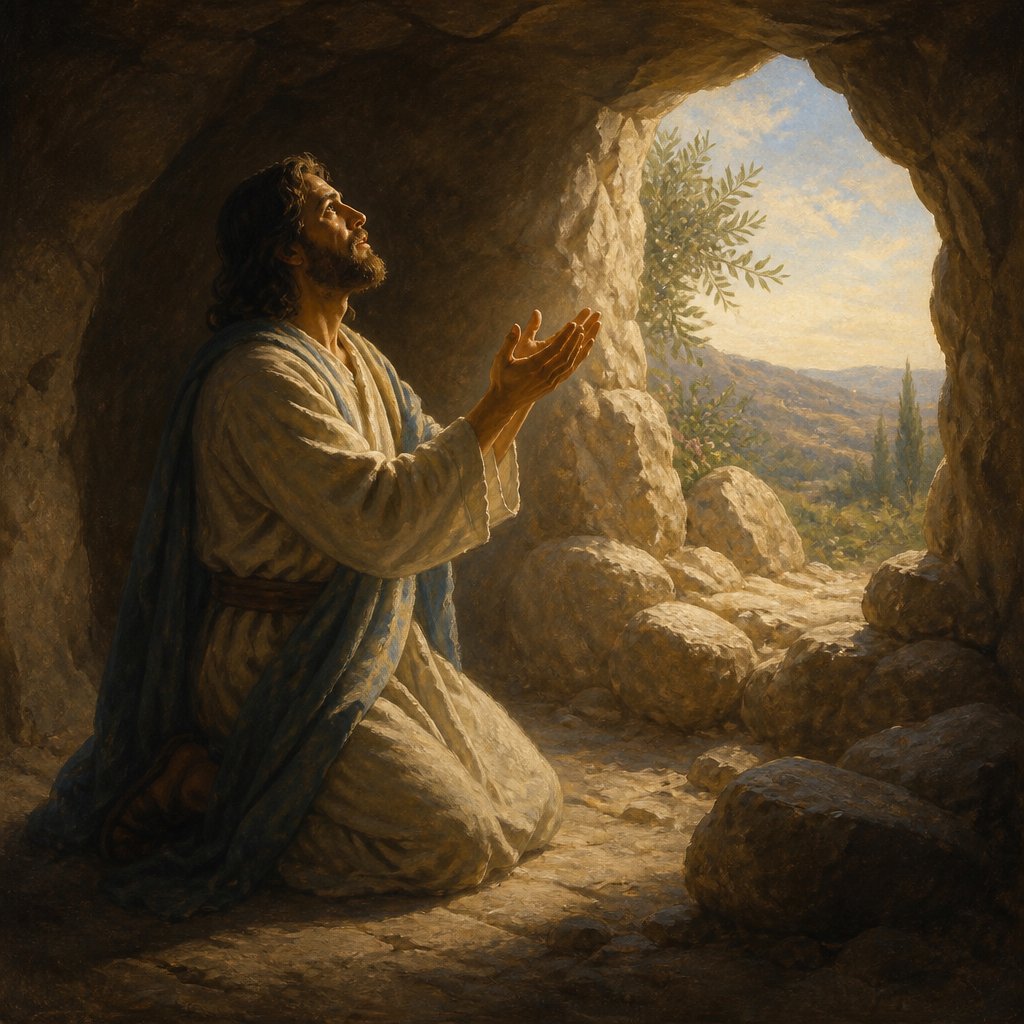
Psalm 142:1 is a poignant reminder of the power of vocal prayer and the urgent need to seek God in times of desperation. The verse reads: "I cried unto the LORD with my voice; with my voice unto the LORD did I make my supplication." This single verse encapsulates the essence of expressing our deepest feelings and needs to God. It reflects not only David's immediate anguish but also serves as a timeless model for us as believers in our relationship with our Creator.
In the context of Psalm 142, we understand that David wrote this psalm while in a cave, fleeing from Saul. This setting highlights not just physical isolation but also David's emotional and spiritual turmoil. When he states, "I cried unto the LORD with my voice," it illustrates a sense of urgency and desperation. Have you ever found yourself in a similar place? Maybe you are facing overwhelming circumstances—whether they be relational strife, health challenges, or the burden of unmet needs. In our lowest moments, it is easy to feel alone, forgotten, or even abandoned. Yet, David teaches us the importance of vocalizing our struggles to the Lord.
Crying out to God is vital because it acknowledges our dependence on Him. David's action of lifting his voice indicates not an internal monologue but a heartfelt expression of longing and need. In the chaos of life, we often internalize our troubles, thinking that silent suffering is somehow more noble. However, the Lord desires our honesty with Him about our struggles, fears, and requests. Vocalizing our prayers, like David, brings our circumstances into the Lord's light and positions us to receive His comforting presence.
The phrase "did I make my supplication" signifies a making known of our requests and petitions to God. In simple terms, supplication is the act of humbly asking for something earnestly or anxiously. Through his words, David invites us to recognize that, while we may wrestle with doubt and despair, we can transform our cries into prayers. There is immense power in prayers filled with intention. When we articulate our needs clearly, we also solidify our faith in God’s ability to respond. Just like David, we are encouraged to express our limitations and plead for His divine intervention.
Furthermore, we learn from this verse about the intimacy of our relationship with God. David's open lament reveals that the Lord is not distant or detached. Rather, He is intimately aware of our cries. The act of crying out to God with a voice signifies vulnerability. It reflects a willingness to lay bare our burdens, to remove the masks we often wear before others, and to show our true selves before the One who knows us fully. This vulnerability is not a sign of weakness but one of strength and faith. It indicates trust that God will hear us and respond.
In our contemporary lives, it is essential to realize that our cries can take on different forms—spoken prayers, written laments, songs of sorrow, or quiet weeping in His presence. Each of these expressions can resonate with the heart of God. When we gather our voices in prayer, whether corporately or individually, we embrace the reality that we are not alone in our struggles. Just as David cried out in his time of need, we too can call upon the Lord with an expectation that He hears us.
As believers, let us be encouraged to bring our voices to the Lord, making our supplications known with sincerity and humility. Remember, our cries are not just pleas for help; they are invitations for God’s glory to manifest in our lives. This week, intentionally incorporate times of vocal prayer, making your needs known to Him. With every cry, let us find hope in knowing that the Lord hears and responds in His perfect timing. In your moments of desperation, whether loud or soft, know that your voice is precious to the Lord.
Get our apps


Artwork for Psalms 142:1

Psalms 142:1 - "I cried unto the LORD with my voice; with my voice unto the LORD did I make my supplication."
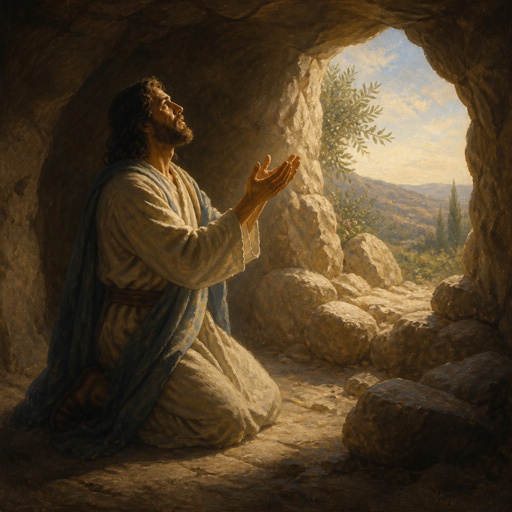
"I cried unto the LORD with my voice; with my voice unto the LORD did I make my supplication." - Psalms 142:1

Psalms 119:142 - "Thy righteousness is an everlasting righteousness, and thy law is the truth."

Psalms 142:2 - "I poured out my complaint before him; I shewed before him my trouble."

"Thy righteousness is an everlasting righteousness, and thy law is the truth." - Psalms 119:142

Psalms 142:5 - "I cried unto thee, O LORD: I said, Thou art my refuge and my portion in the land of the living."

Psalms 142:4 - "I looked on my right hand, and beheld, but there was no man that would know me: refuge failed me; no man cared for my soul."

Psalms 142:6 - "Attend unto my cry; for I am brought very low: deliver me from my persecutors; for they are stronger than I."

Psalms 142:7 - "Bring my soul out of prison, that I may praise thy name: the righteous shall compass me about; for thou shalt deal bountifully with me."

"I cried unto thee, O LORD: I said, Thou art my refuge and my portion in the land of the living." - Psalms 142:5

"I looked on my right hand, and beheld, but there was no man that would know me: refuge failed me; no man cared for my soul." - Psalms 142:4
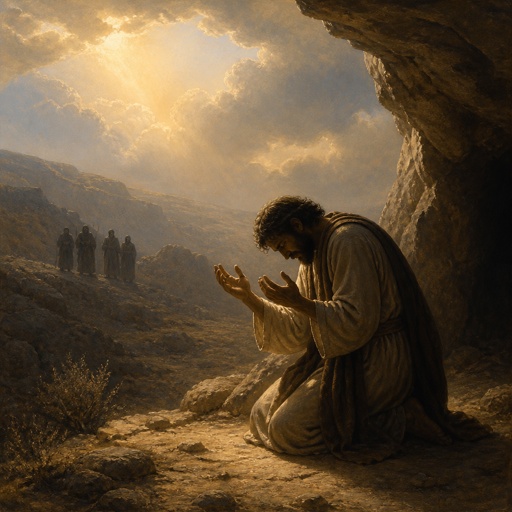
"Attend unto my cry; for I am brought very low: deliver me from my persecutors; for they are stronger than I." - Psalms 142:6
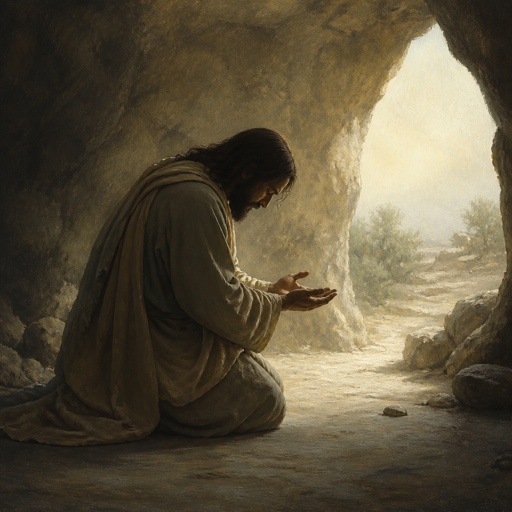
"I poured out my complaint before him; I shewed before him my trouble." - Psalms 142:2

"When my spirit was overwhelmed within me, then thou knewest my path. In the way wherein I walked have they privily laid a snare for me." - Psalms 142:3
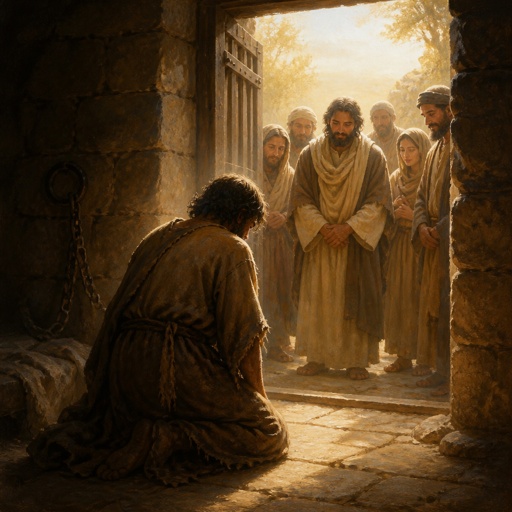
"Bring my soul out of prison, that I may praise thy name: the righteous shall compass me about; for thou shalt deal bountifully with me." - Psalms 142:7

psalm 80:1-7

Psalms 128:1 - "Blessed is every one that feareth the LORD; that walketh in his ways."

Psalms 122:1 - "I was glad when they said unto me, Let us go into the house of the LORD."

Psalms 15:1 (KJVA) 1 A Psalm of David. LORD, who shall abide in thy tabernacle? who shall dwell in thy holy hill?

Psalms 14:1 (KJVA) 1 To the chief Musician, A Psalm of David. The fool hath said in his heart, There is no God. They are corrupt, they have done abominable works, there is none that doeth good.

Psalms 14:1 (KJVA) 1 To the chief Musician, A Psalm of David. The fool hath said in his heart, There is no God. They are corrupt, they have done abominable works, there is none that doeth good.

Psalms 15:1 (KJVA) 1 A Psalm of David. LORD, who shall abide in thy tabernacle? who shall dwell in thy holy hill?

Psalms 64:1 - "Hear my voice, O God, in my prayer: preserve my life from fear of the enemy."

Psalms 14:1 (KJVA) 1 To the chief Musician, A Psalm of David. The fool hath said in his heart, There is no God. They are corrupt, they have done abominable works, there is none that doeth good.

Psalms 14:1 (KJVA) 1 To the chief Musician, A Psalm of David. The fool hath said in his heart, There is no God. They are corrupt, they have done abominable works, there is none that doeth good.

Psalms 14:1 (KJVA) 1 To the chief Musician, A Psalm of David. The fool hath said in his heart, There is no God. They are corrupt, they have done abominable works, there is none that doeth good.

Psalms 14:1 (KJVA) 1 To the chief Musician, A Psalm of David. The fool hath said in his heart, There is no God. They are corrupt, they have done abominable works, there is none that doeth good.

Psalms 14:1 (KJVA) 1 To the chief Musician, A Psalm of David. The fool hath said in his heart, There is no God. They are corrupt, they have done abominable works, there is none that doeth good.

Psalms 14:1 (KJVA) 1 To the chief Musician, A Psalm of David. The fool hath said in his heart, There is no God. They are corrupt, they have done abominable works, there is none that doeth good.

"The LORD is my shepherd; I shall not want." - Psalms 23:1