The Ensuring Praise in the Midst of Wrath
“Surely the wrath of man shall praise thee: the remainder of wrath shalt thou restrain.” — Psalms 76:10
Psalms 76:10 provides a profound insight into the paradox of human emotion and divine providence. The verse states, "Surely the wrath of man shall praise thee: the remainder of wrath shalt thou restrain." At first glance, this declaration seems incongruous; how can wrath, a manifestation of anger and animosity, contribute to the praise of God? Yet, as we delve deeper into this scripture, we discover the potent truth that resides within it.
To understand this verse fully, we must first acknowledge that human wrath is an inevitable part of life. People experience frustration, anger, resentment, and many other emotions that can lead to wrath. Yet, the Divine has the ability to transform even the most chaotic human emotions into instruments of praise. This transformation does not imply that God approves of human anger; rather, it speaks to His omnipotence and sovereignty. God can utilize human anger to demonstrate His glory and purpose in ways beyond our comprehension.
Moreover, this verse reassures us that while humanity’s wrath may seem overwhelming or chaotic, it is ultimately under the control and restraint of God. "The remainder of wrath shalt thou restrain" suggests that God limits the potential havoc that could result from human anger. Here, we see God’s merciful hand at work, gently steering human affairs, constraining what could otherwise spiral out of control.
In the annals of biblical history, we can see many instances that illustrate this principle. Take, for example, the story of Joseph in Genesis. His brothers’ wrath against him led them to betray him, casting him into a pit and then selling him into slavery. This act of anger and betrayal prompted a series of events that culminated in Joseph’s rise to power in Egypt. In the end, his position enabled him to provide sustenance during a famine that affected his family and the nations surrounding them. Joseph’s poignant words to his brothers later reflect this transformation beautifully, when he says, "But as for you, ye thought evil against me; but God meant it unto good" (Genesis 50:20). Here, we see that what began as an act of wrath ultimately led to God’s praise as His redemptive plan unfolded.
Another powerful example comes from the New Testament. The crucifixion of Jesus Christ illustrates a human wrath that culminated in the ultimate act of injustice. However, this very act that appeared to be the triumph of anger and hatred became the cornerstone of our salvation. Through Christ’s death and resurrection, humanity received the gift of grace and redemption, turning wrath into the pathway for divine praise. Romans 5:8 reminds us of this transformation: "But God commendeth his love toward us, in that, while we were yet sinners, Christ died for us."
In light of this scripture, we must reflect on our own lives and consider how we manage our emotions. Do we allow our anger to fester, leading to bitterness and resentment? Or can we, through prayer and the work of the Holy Spirit, harness those feelings for righteousness? As Christians, we should strive to be conduits of God’s glory, using any trials that incite our wrath as opportunities to praise Him and live out our testimony.
Let us remember that God’s providence is ever present, restraining the remainder of wrath—a beautiful reminder that He is sovereign over all human affairs, including our hearts. Therefore, even in moments of strife, we can pray for a heart aligned with God’s will, seeking to channel our emotions in ways that lead to His glory. In all circumstances, may we echo the truth that even the wrath of man shall praise Him, for we know that His divine purposes are at work, turning our struggles into testimonies of faith.
Get our apps


Artwork for Psalms 76:10

Psalms 76:10 - "Surely the wrath of man shall praise thee: the remainder of wrath shalt thou restrain."

"Surely the wrath of man shall praise thee: the remainder of wrath shalt thou restrain." - Psalms 76:10
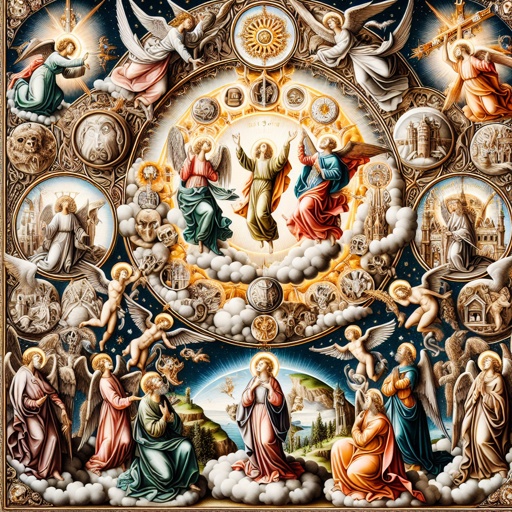
Psalm 76:10

Psalm 76:10

"Thou art more glorious and excellent than the mountains of prey." - Psalms 76:4

Psalms 76:3 - "There brake he the arrows of the bow, the shield, and the sword, and the battle. Selah."

Psalms 76:1 - "In Judah is God known: his name is great in Israel."

Psalms 76:4 - "Thou art more glorious and excellent than the mountains of prey."

Psalms 76:2 - "In Salem also is his tabernacle, and his dwelling place in Zion."

Psalms 76:12 - "He shall cut off the spirit of princes: he is terrible to the kings of the earth."
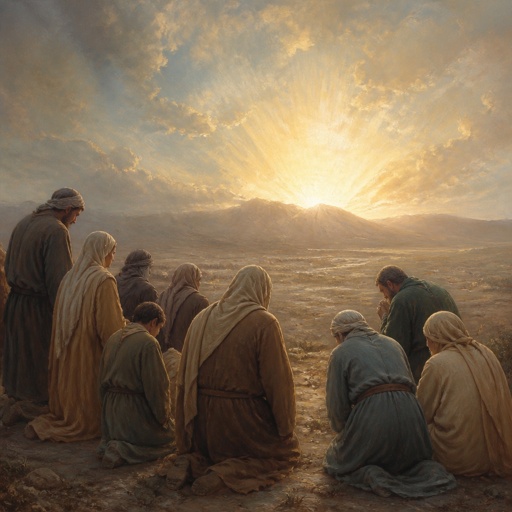
"When God arose to judgment, to save all the meek of the earth. Selah." - Psalms 76:9

Psalms 76:9 - "When God arose to judgment, to save all the meek of the earth. Selah."
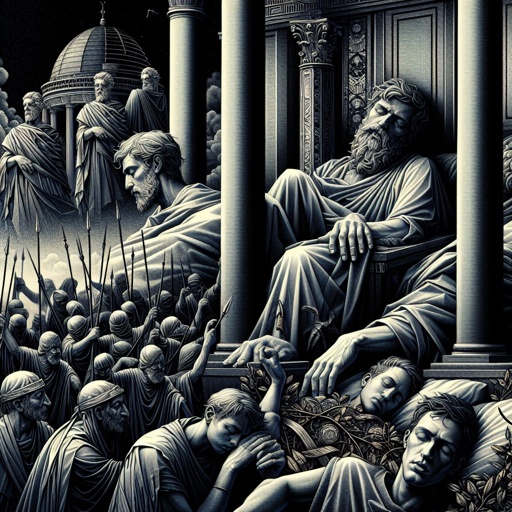
Psalms 76:5 - "The stouthearted are spoiled, they have slept their sleep: and none of the men of might have found their hands."

Psalms 76:8 - "Thou didst cause judgment to be heard from heaven; the earth feared, and was still,"

"Thou didst cause judgment to be heard from heaven; the earth feared, and was still," - Psalms 76:8

Psalms 76:6 - "At thy rebuke, O God of Jacob, both the chariot and horse are cast into a dead sleep."

"The stouthearted are spoiled, they have slept their sleep: and none of the men of might have found their hands." - Psalms 76:5

Psalms 119:76 - "Let, I pray thee, thy merciful kindness be for my comfort, according to thy word unto thy servant."

Psalms 76:7 - "Thou, even thou, art to be feared: and who may stand in thy sight when once thou art angry?"
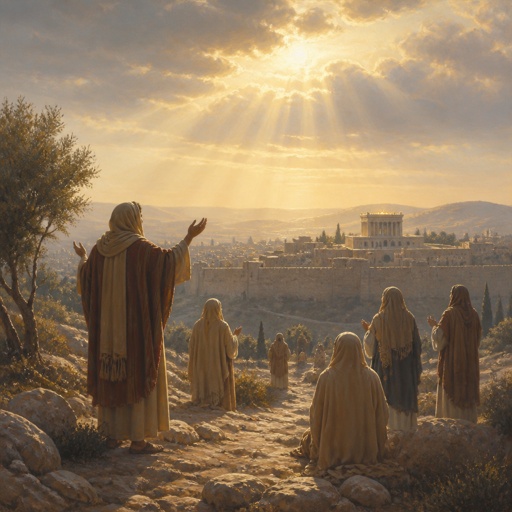
"In Judah is God known: his name is great in Israel." - Psalms 76:1
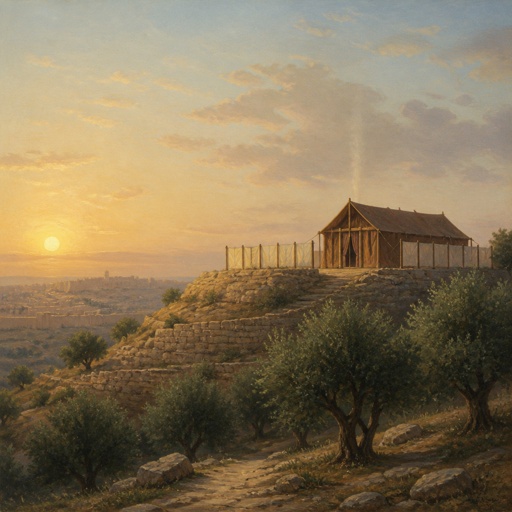
"In Salem also is his tabernacle, and his dwelling place in Zion." - Psalms 76:2

"There brake he the arrows of the bow, the shield, and the sword, and the battle. Selah." - Psalms 76:3
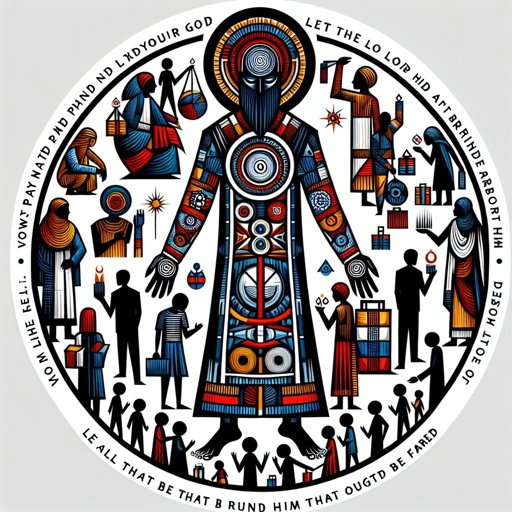
Psalms 76:11 - "Vow, and pay unto the LORD your God: let all that be round about him bring presents unto him that ought to be feared."
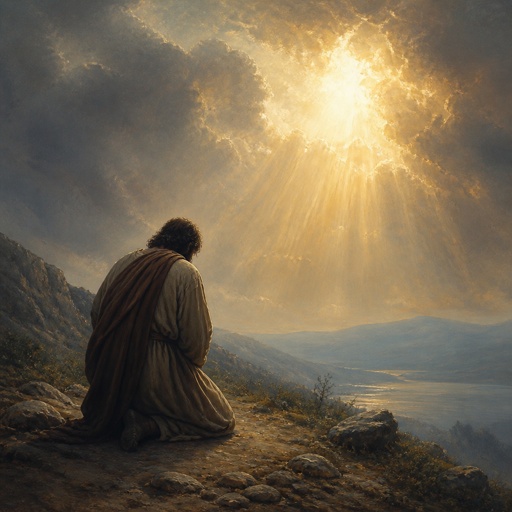
"Thou, even thou, art to be feared: and who may stand in thy sight when once thou art angry?" - Psalms 76:7

"Let, I pray thee, thy merciful kindness be for my comfort, according to thy word unto thy servant." - Psalms 119:76
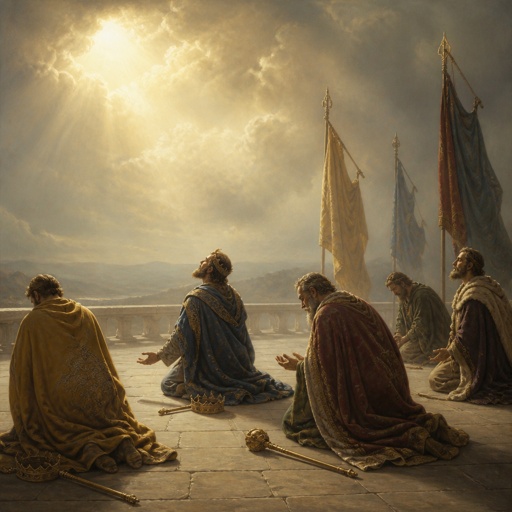
"He shall cut off the spirit of princes: he is terrible to the kings of the earth." - Psalms 76:12
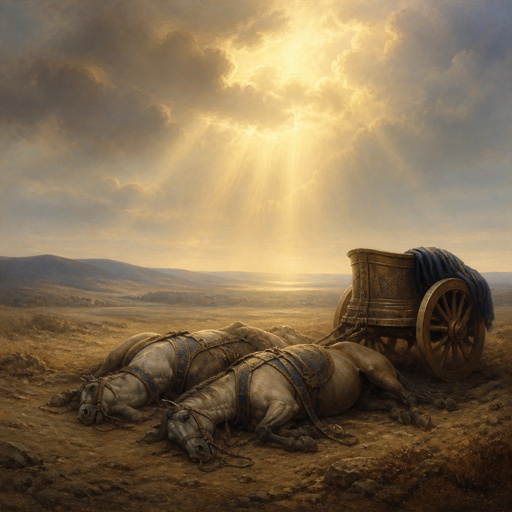
"At thy rebuke, O God of Jacob, both the chariot and horse are cast into a dead sleep." - Psalms 76:6

psalms 92:10

psalms 92:10

psalms 92:10