What does Psalms 76:10 mean?
“Surely the wrath of man shall praise thee: the remainder of wrath shalt thou restrain.” — Psalms 76:10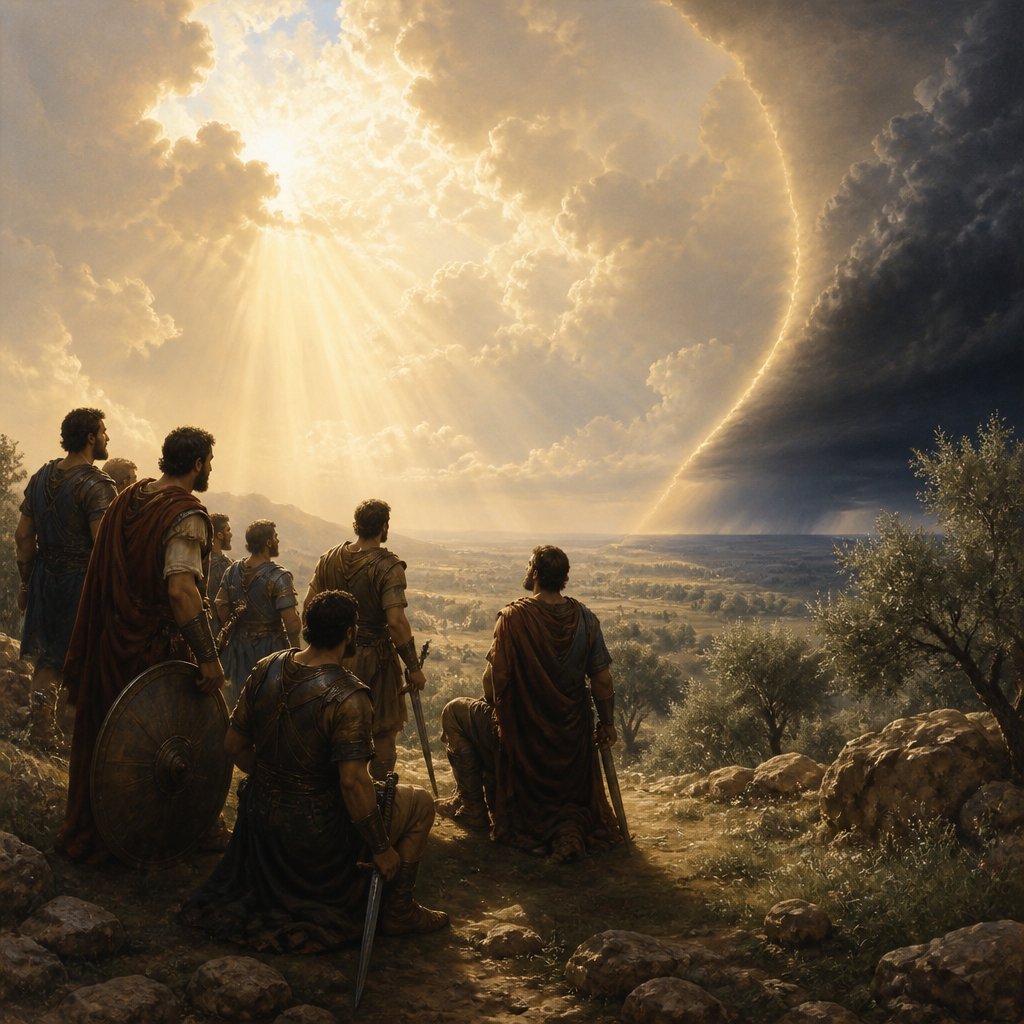
The verse Psalms 76:10, as translated in the King James Version (KJV), states: "Surely the wrath of man shall praise thee: the remainder of wrath shalt thou restrain." This verse is part of a larger passage in which the psalmist praises God for His power and sovereignty, particularly in the context of a military victory. The themes of this verse include the praise of God's sovereignty, the futility of human wrath, and the ultimate restraint of human aggression.
In order to fully understand the meaning and significance of this verse, it is important to consider its context within the larger passage of Psalm 76. The psalm as a whole celebrates God’s victory over his enemies, and declares the power and majesty of the Lord. The opening verses of the psalm emphasize God’s overwhelming might and His protection of His people. The psalmist describes how God’s presence in Jerusalem brings peace and security, and how He subdues the enemies of Israel.
Given this context, Psalm 76:10 can be seen as a reflection on the futility of human opposition to God’s will. The verse suggests that even the wrath of man ultimately serves to praise God, by highlighting His power and faithfulness. Despite the aggression and hostility of human beings, God is able to turn even these negative emotions and actions to His own glory. This reflects a larger theme in the Psalms and the Bible as a whole, in which human actions are often subverted to ultimately serve God’s purposes.
The second half of the verse, "the remainder of wrath shalt thou restrain," may be interpreted as a promise of God’s ultimate control over the anger and aggression of human beings. In other words, even though human wrath may initially appear uncontrollable, it will ultimately be limited and restrained by God. This gives assurance to the psalmist and to the reader that God is ultimately in control, and that His purposes will be fulfilled despite the opposition of human beings.
This verse also carries significant symbolic and theological meaning. The idea that the "wrath of man shall praise thee" can be understood as a reflection of the broader biblical theme of the redemption of all things. This theme encompasses the idea that even the negative or destructive aspects of human nature can be transformed and redeemed by God. In a theological sense, this verse speaks to the idea of God's sovereignty and His ability to work all things together for the good of those who love Him.
Furthermore, the concept of God restraining the remainder of wrath can be seen as a reflection of God’s mercy and patience. Even in the face of human rebellion and sin, God shows restraint and compassion, choosing to limit the full expression of His wrath in favor of redemption and reconciliation. This theme is echoed throughout the Bible, particularly in the New Testament, where God's ultimate solution to human sin and disobedience is to offer forgiveness and salvation through His son, Jesus Christ.
In summary, Psalm 76:10, as it is presented in the King James Version, is a powerful statement about the sovereignty and power of God, as well as His ability to ultimately restrain and redeem the wrath of man. It reflects themes of God’s control over human actions and the ultimate triumph of His will, as well as the redemptive nature of God’s character. This verse can serve as a source of comfort and assurance for believers, as it reminds them of God’s ultimate power and authority over all things.
Get our apps


Artwork for Psalms 76:10

Psalms 76:10 - "Surely the wrath of man shall praise thee: the remainder of wrath shalt thou restrain."
"Surely the wrath of man shall praise thee: the remainder of wrath shalt thou restrain." - Psalms 76:10
Psalm 76:10

Psalm 76:10

"Thou art more glorious and excellent than the mountains of prey." - Psalms 76:4

Psalms 76:3 - "There brake he the arrows of the bow, the shield, and the sword, and the battle. Selah."

Psalms 76:1 - "In Judah is God known: his name is great in Israel."

Psalms 76:4 - "Thou art more glorious and excellent than the mountains of prey."

Psalms 76:2 - "In Salem also is his tabernacle, and his dwelling place in Zion."

Psalms 76:12 - "He shall cut off the spirit of princes: he is terrible to the kings of the earth."
"When God arose to judgment, to save all the meek of the earth. Selah." - Psalms 76:9

Psalms 76:9 - "When God arose to judgment, to save all the meek of the earth. Selah."
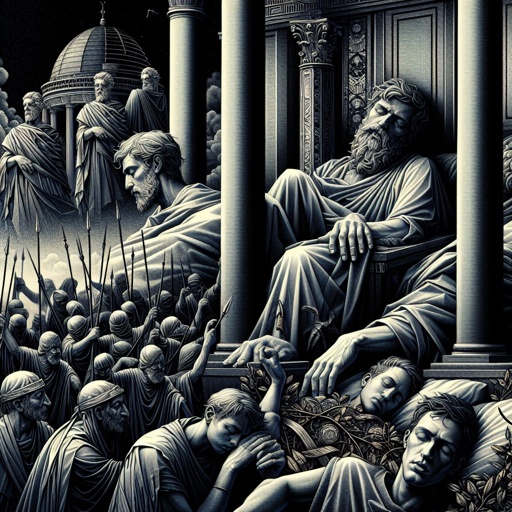
Psalms 76:5 - "The stouthearted are spoiled, they have slept their sleep: and none of the men of might have found their hands."

Psalms 76:8 - "Thou didst cause judgment to be heard from heaven; the earth feared, and was still,"
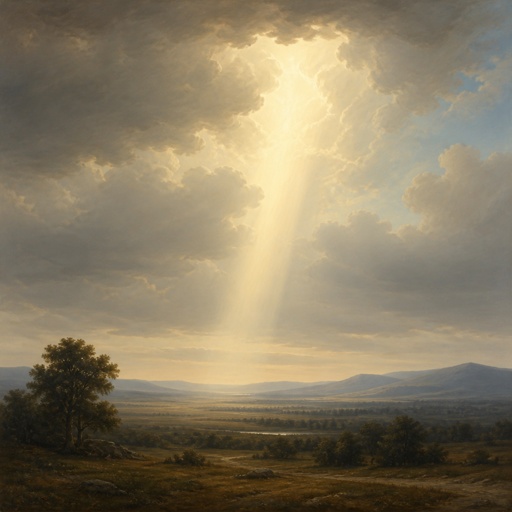
"Thou didst cause judgment to be heard from heaven; the earth feared, and was still," - Psalms 76:8
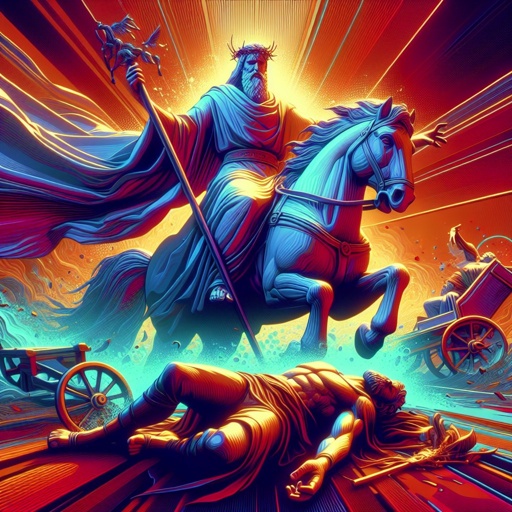
Psalms 76:6 - "At thy rebuke, O God of Jacob, both the chariot and horse are cast into a dead sleep."

"The stouthearted are spoiled, they have slept their sleep: and none of the men of might have found their hands." - Psalms 76:5

Psalms 119:76 - "Let, I pray thee, thy merciful kindness be for my comfort, according to thy word unto thy servant."

Psalms 76:7 - "Thou, even thou, art to be feared: and who may stand in thy sight when once thou art angry?"
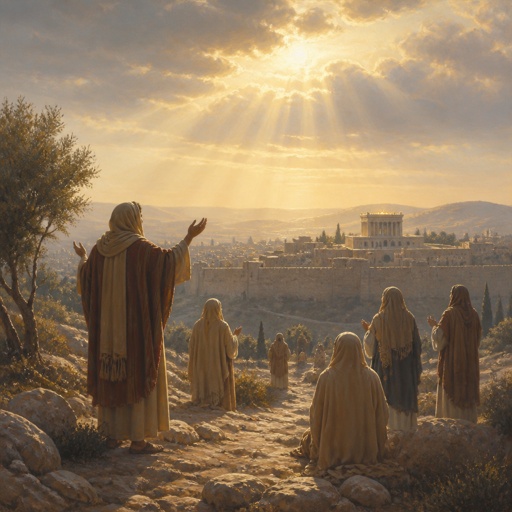
"In Judah is God known: his name is great in Israel." - Psalms 76:1
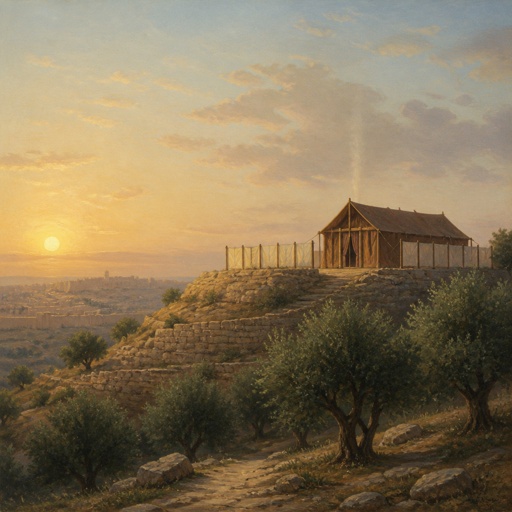
"In Salem also is his tabernacle, and his dwelling place in Zion." - Psalms 76:2

"There brake he the arrows of the bow, the shield, and the sword, and the battle. Selah." - Psalms 76:3
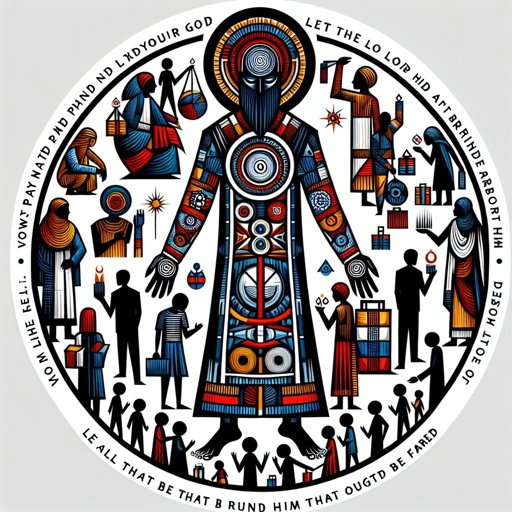
Psalms 76:11 - "Vow, and pay unto the LORD your God: let all that be round about him bring presents unto him that ought to be feared."
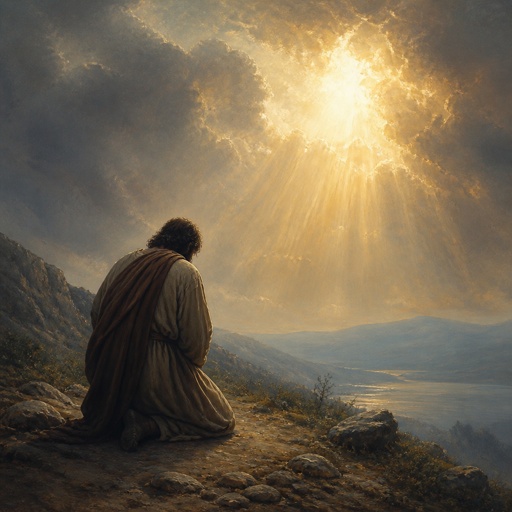
"Thou, even thou, art to be feared: and who may stand in thy sight when once thou art angry?" - Psalms 76:7

"Let, I pray thee, thy merciful kindness be for my comfort, according to thy word unto thy servant." - Psalms 119:76
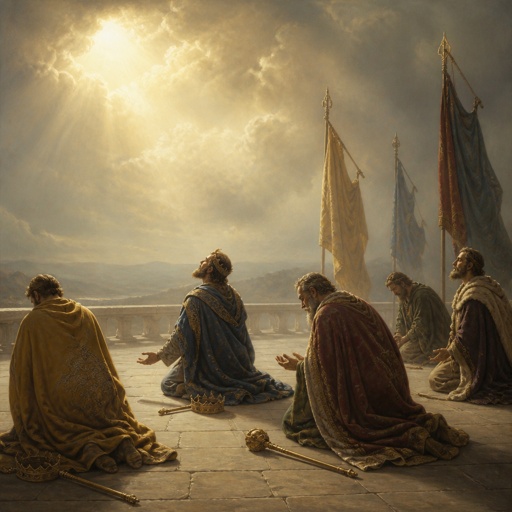
"He shall cut off the spirit of princes: he is terrible to the kings of the earth." - Psalms 76:12
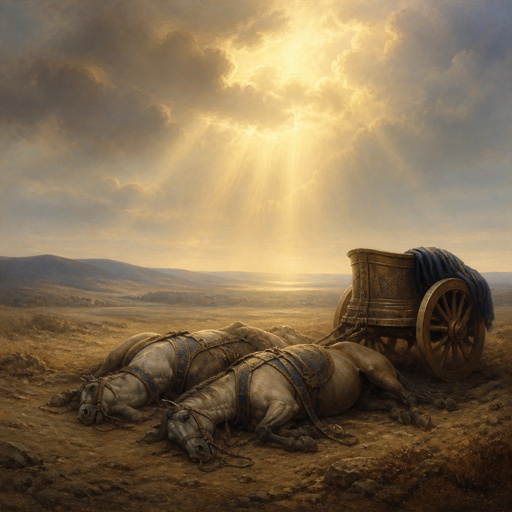
"At thy rebuke, O God of Jacob, both the chariot and horse are cast into a dead sleep." - Psalms 76:6

psalms 92:10

psalms 92:10

psalms 92:10