The Tumult of Enemies: Finding Peace in Chaos
“For, lo, thine enemies make a tumult: and they that hate thee have lifted up the head.” — Psalms 83:2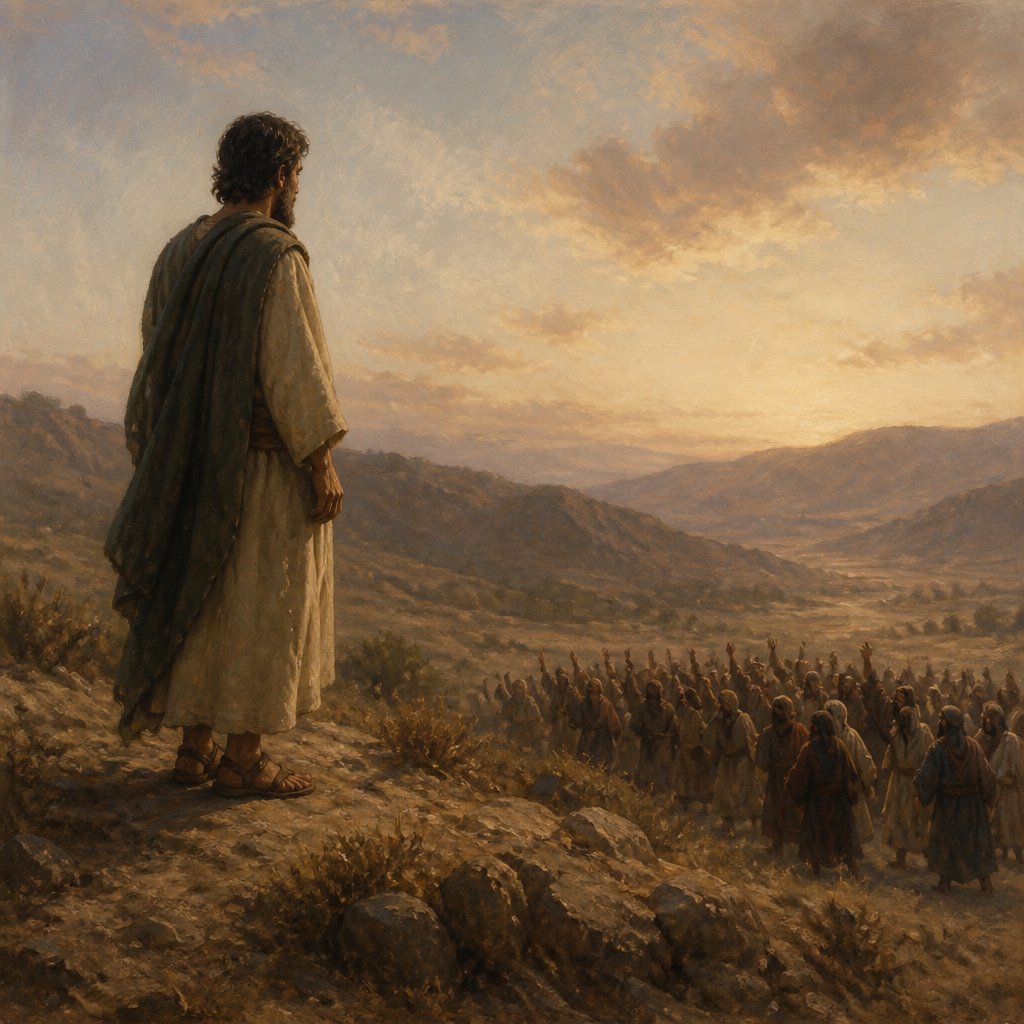
In Psalm 83:2, we read, "For, lo, thine enemies make a tumult: and they that hate thee have lifted up the head." This ancient lamentation echoes the perennial struggles of humanity against forces that seek to undermine trust, purpose, and faith. Addressing the tumult—the commotion and noise raised by our adversaries—resonates with the realities we face in our contemporary world.
The term "tumult" in this verse captures a profound sense of upheaval. Picture a time when voices rise in aggression, when people shake their fists at the heavens, feeling disenfranchised and angry. It's a vivid image that relates perfectly to many of our modern predicaments. Each of us has likely faced moments in our lives that feel overwhelmed by opposition—be it personal struggles, relational conflicts, or broader societal issues that press against our values and beliefs.
The context of this psalm is crucial. Israel was besieged by neighboring nations that sought its downfall and the eradication of its people. The enemies rejoiced and rallied against the Israelites, feeling emboldened by their collective hatred and hostility. In similar fashion today, the battles we face—though not always physical—are still deeply spiritual and emotional. The world around us can often feel as though it is at war with our beliefs, our lifestyle, and our hope.
When King David wrote this particular psalm, he wasn’t only recounting a historical fight; he was expressing a deep-rooted anxiety of faith amidst fear. His acknowledgment of enemies and their tumult serves as an example for believers today, reminding us of the importance of bringing our struggles and fears before God. Many of us might grapple with various “enemies” today: doubt, depression, fear of failure, societal pressures, and even those who aggressively oppose our faith. These facets of turmoil take different forms, yet the meaning remains constant—there are forces that seem to roar and swell against us.
However, as David points out, the act of recognizing these enemies and this tumult is not in vain. There’s immense power in awareness. David lifts his eyes to God amidst the cacophony of opposition. When we feel overwhelmed, it is essential to turn our focus from the turmoil around us to the peace that is promised by God. In John 16:33, Christ assures us, "In the world ye shall have tribulation: but be of good cheer; I have overcome the world."
Our challenge lies in the lifting of the head; as it states, "they that hate thee have lifted up the head." This imagery evokes a certain pride among adversaries—a boasting before God and His people. Yet, when we reflect on God’s greatness amid strife, we too can lift our heads not in fear or despair but in prayerful determination. Psalm 121:1-2 reassures us, "I will lift up mine eyes unto the hills, from whence cometh my help. My help cometh from the Lord, which made heaven and earth."
By lifting our heads to God—advocating for His presence in our circumstances—we step away from fear and anxiety. It's an act of worship and a proclamation of faith that God is in control, even when all looks dire. It is essential to remember that through these tumultuous times, our faith is both tested and strengthened. Like David, we ought to pray out to God, present our fears, and seek His guidance in dealing with those tumultuous forces.
In conclusion, Psalm 83:2 serves as a vivid reminder of our continual need for God amidst life's tumult. When enemies rise, when voices scream, and when turbulence seems all-encompassing, do not be dismayed. For our help comes from the Lord. Lift your head and focus on Him, for in the chaos, peace is not only possible but is promised to those who seek Him first.


