The Divine Temple: A Revelation of God's Presence
“And I saw no temple therein: for the Lord God Almighty and the Lamb are the temple of it.” — Revelation 21:22
In the profound vision of the Apostle John as recorded in Revelation 21:22, we read, "And I saw no temple therein: for the Lord God Almighty and the Lamb are the temple of it." This verse invites us to reflect deeply on the nature of worship, the presence of God, and the fulfillment of His promises. It shifts our understanding from physical structures to a personal relationship with the divine.
Throughout the ages, the temple has served as the focal point of worship for the people of God. In the Old Testament, the temple represented the dwelling place of God among His people, a sacred space where sacrifices were made, and prayers were offered. It was central to the Jewish faith, a structure built with the finest materials and crafted with unparalleled skill. However, as we delve into the revelation given to John, we begin to grasp a transformative truth about God's presence that transcends physicality.
In the eternal state described in Revelation, the absence of a traditional temple signifies a new era in humanity's relationship with God. No longer will we need a separate structure because the very essence of worship will be embodied in the Lord God Almighty and the Lamb—Jesus Christ. This invites us to consider several key lessons.
First, the absence of a physical temple is a reminder that God desires intimacy rather than rituals. In the Old Testament, access to God was heavily regulated; only the high priest could enter the Holy of Holies, and only once a year. But in this new order, there is no barrier, no need for a mediator amidst us. The Lamb, who was slain, now dwells among His people. This is a radical shift, emphasizing that through Christ's sacrifice, we can enter boldly into the presence of God. We are each called to develop a direct relationship with Him, experiencing His love and grace every moment of our lives.
Second, this revelation conveys the completeness of God’s revelation and presence. The temple symbolized the presence of God, yet the reality of His presence is magnified in the relationship offered through Christ. The Lamb not only represents sacrifice but also the living testimony of God’s enduring presence. He is our Sustainer, our Guide. The very nature of our faith hinges upon this realization: God is with us, not confined to a building or a system of worship, but living within our hearts, leading us into a life that reflects His glory.
As we endure earthly trials and the struggles of life, it’s essential to remember that the hope of our faith is anchored in this eternal truth — one day, we will experience the fullness of God's presence without hindrance. In the New Jerusalem, there will be no more barriers, no more distance from God. Our worship will be pure, unencumbered by the limitations of time and space. We will dwell in a perfect state of communion with our Creator.
This understanding leads us to a life of worship that is not confined to Sunday services or ritualistic practices. Instead, it compels us to view every moment as an opportunity to engage with God. Have you considered how to make your daily life a living temple where worship flows from your heart? In every task, in every relationship, can you invite God's presence to transform your reality?
In conclusion, Revelation 21:22 profoundly shifts the focus from what has been historically understood concerning the temple. This vision urges us towards a life of relationship. Let us celebrate the reality that God is with us, not in a temple made with hands but through the life and sacrificial love of Jesus. Let our lives become temples of praise, overflowing with His presence, reflecting His love and glory to a world in desperate need of hope.
Get our apps


Artwork for Revelation 21:22

Revelation 21:22 - "And I saw no temple therein: for the Lord God Almighty and the Lamb are the temple of it."

Revelation 21:22-23 - "And I saw no temple in the city, for its temple is the Lord God the Almighty and the Lamb. And the city has no need of sun or moon to shine on it, for the glory of God gives it light, and its lamp is the Lamb."

"And I saw no temple therein: for the Lord God Almighty and the Lamb are the temple of it." - Revelation 21:22

"And I saw no temple in the city, for its temple is the Lord God the Almighty and the Lamb. And the city has no need of sun or moon to shine on it, for the glory of God gives it light, and its lamp is the Lamb." - Revelation 21:22-23

Revelation 22:21 - "The grace of our Lord Jesus Christ be with you all. Amen."

"The grace of our Lord Jesus Christ be with you all. Amen." - Revelation 22:21

1 Samuel 22:21 - "And Abiathar shewed David that Saul had slain the LORD'S priests."

Revelation 19:19-21

Revelation 19:19-21

Revelation 19:19-21

Revelation 21:5

Revelation 21:1

Revelation 21: 1

Revelation 21:6

Revelation 21:3

Revelation 21:2

Revelation 21:2

Revelation 21:3

Revelation 21: 10

Revelation 22:18

Revelation 7:22
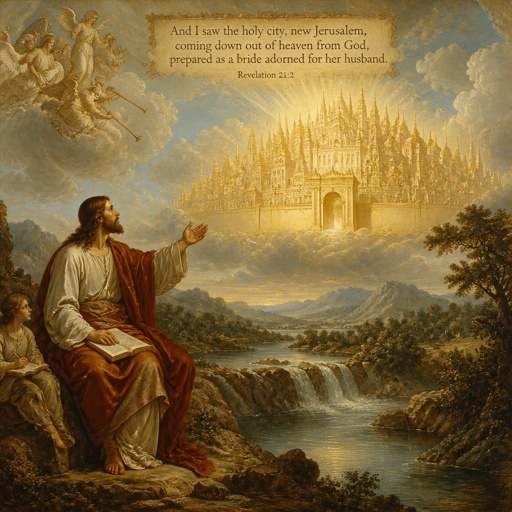
Revelation 21:2
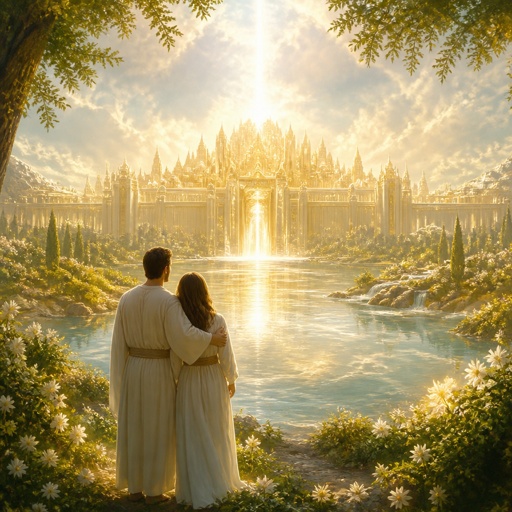
Revelation 21:2
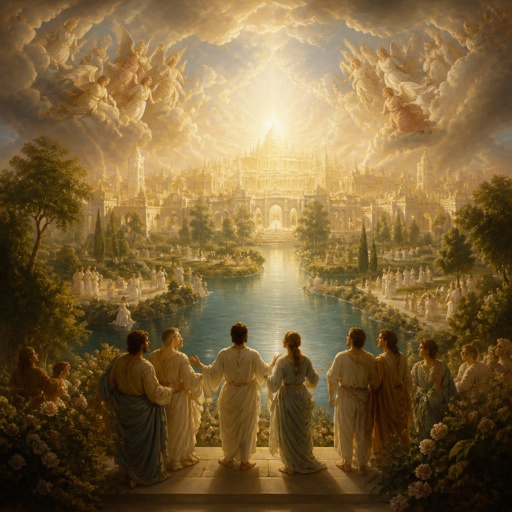
Revelation 21:2

Revelation 21:2

Revelation 21:11

Revelation 21:2

Revelation 21:12

Revelation 21:4

Revelation 21:11