Faith that Speaks: The Righteousness of Belief
“But the righteousness which is of faith speaketh on this wise, Say not in thine heart, Who shall ascend into heaven? ( that is, to bring Christ down from above:)” — Romans 10:6
In Romans 10:6, the Apostle Paul presents a profound distinction between the righteousness that is based on faith and that which is rooted in the law. He writes, "But the righteousness which is of faith speaketh on this wise, Say not in thine heart, Who shall ascend into heaven? (that is, to bring Christ down from above:)" This statement is not merely rhetorical; it confronts an inherent human tendency to strive for righteousness through our own efforts, rather than receiving it as a gift through faith in Christ.
Understanding this verse requires us to dive deep into the nature of faith and its implications. Faith is not just a passive belief; it is an active acknowledgement of dependency on God. When Paul refers to the righteousness that speaks, he implies an intimate dialogue between our spirit and God’s truth. It’s an inner conversation that reflects our understanding of who Christ is and what He has accomplished for us.
Often, we may find ourselves asking the wrong questions—questions that demand we justify our existence, our worth, or our acceptance in God’s sight. Paul’s admonition to "Say not in thine heart" is a caution against the burdens of self-reliance and the arrogance of attempting to carry a weight that is not ours to bear. The specific question of who shall ascend into heaven reflects a longing to attain perfection and closeness to God by our efforts. In essence, it embodies a mindset that is laden with the weight of the law, which is unattainable.
But Paul redirects our focus. He wants us to understand that the righteousness of faith is not about our ability to climb spiritual heights or our capacity to earn favor in God’s eyes. Rather, it is about recognizing that Christ has already descended to us. The rhetorical construction here signifies that we cannot bring Christ down; He has willingly come to us, humbling Himself to our state of need. This is the heart of the Gospel: God knowing our inability, choosing to come to humanity in the form of Jesus, who lived a perfect life and died a sacrificial death.
The righteousness that speaks through faith is full of grace and acceptance. It invites us to stop striving and to start believing. Believing that in our brokenness, Christ has made us whole. We are called to remember that faith is not about gathering merits; it's about establishing a relationship with our Savior. When we receive the truth that Christ has come to us and that His righteousness is gifted to us, we can live freed from the bondage of guilt and striving.
This understanding transforms how we live our daily lives. Instead of questioning our worthiness or feeling the need to ascend in our own strength, we learn to place our trust in Christ. Our actions will naturally reflect that faith. We begin to speak the language of righteousness—not through the works of the law, but through the grace of Christ. As we internalize this, our life becomes a testament to the righteousness of faith.
To summarize, Romans 10:6 beckons us to embrace our identity based on Christ’s sufficiency rather than our own inability. We are invited to let our hearts rest in the assurance that we do not have to reach for the heavens because Jesus has already come down to us. May we cultivate a faith that speaks boldly of Christ’s love, grace, and righteousness as we share this incredible truth with the world. In receiving Christ, we are not climbing a ladder to heaven; we are embracing a gift already given.
Get our apps


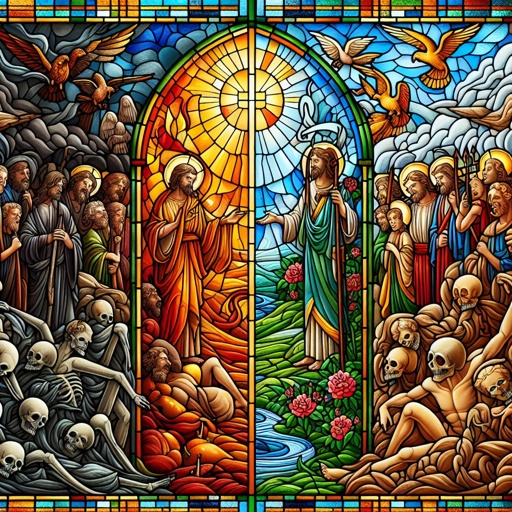
Artwork for Romans 10:6

Romans 10:6 - "But the righteousness which is of faith speaketh on this wise, Say not in thine heart, Who shall ascend into heaven? (that is, to bring Christ down from above:)"

"But the righteousness which is of faith speaketh on this wise, Say not in thine heart, Who shall ascend into heaven? (that is, to bring Christ down from above:)" - Romans 10:6
Romans 6:10 - "For in that he died, he died unto sin once: but in that he liveth, he liveth unto God."

Romans 10

Romans 10:17

Romans 10:17

Romans 10:17

Romans 10:17

Romans 10:17

Romans 10:17

Romans 10:17

Romans 10:14

Romans 10:17

Romans 10:9

Romans 10:9

Romans 8:6

Romans 6:23

Romans 6:23
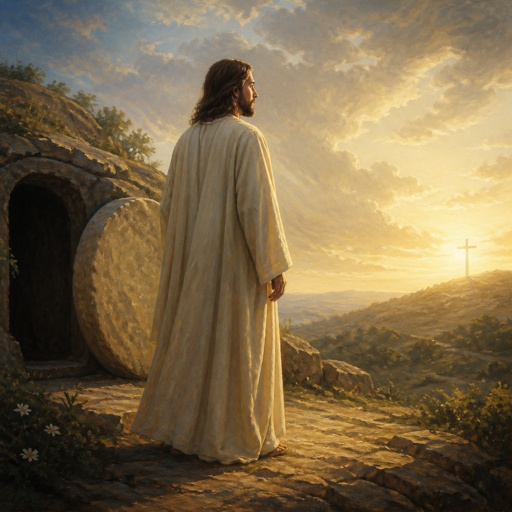
"For in that he died, he died unto sin once: but in that he liveth, he liveth unto God." - Romans 6:10

Romans 10:13-15

Romans 10:10 - "For with the heart man believeth unto righteousness; and with the mouth confession is made unto salvation."

Romans 15:4-6

Romans 3:10 - "As it is written, There is none righteous, no, not one:"

Romans 6:7 - "For he that is dead is freed from sin."

Romans 10:4 - "For Christ is the end of the law for righteousness to every one that believeth."

Romans 10:11 - "For the scripture saith, Whosoever believeth on him shall not be ashamed."

Romans 10:17 - "So then faith cometh by hearing, and hearing by the word of God."

Romans 2:6 - "Who will render to every man according to his deeds:"

Romans 6:6 - "Knowing this, that our old man is crucified with him, that the body of sin might be destroyed, that henceforth we should not serve sin."

Romans 7:10 - "And the commandment, which was ordained to life, I found to be unto death."