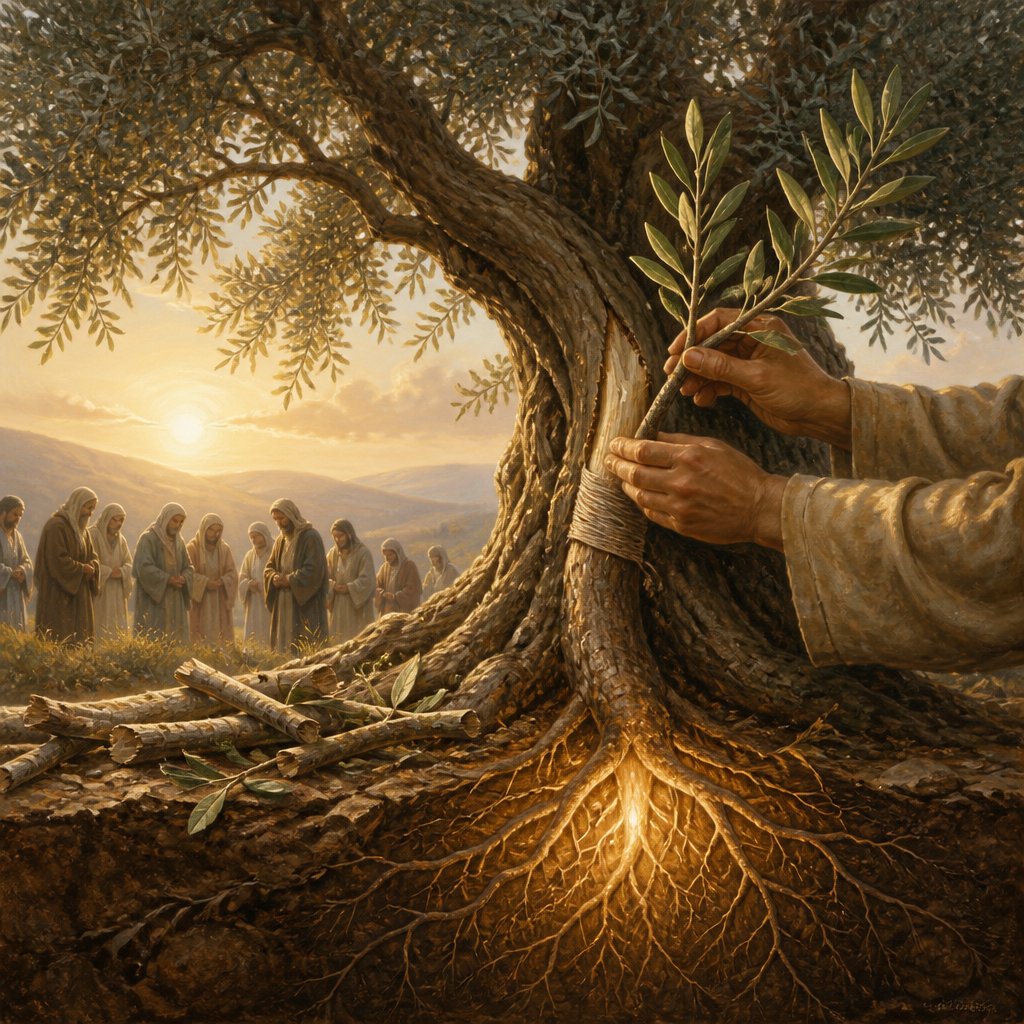
As we delve into Romans 11:11-24, we are ushered into a profound understanding of God’s redemptive plan through the metaphor of the olive tree. This passage is rich with theological implications, revealing how God’s sovereignty works in tandem with human agency and belief. The Apostle Paul addresses the Gentile believers, explaining their relationship to the Jewish people and the overarching narrative of salvation.
Paul starts with a salient question in verse 11: "Have they stumbled that they should fall? God forbid: but rather through their fall salvation is come unto the Gentiles, for to provoke them to jealousy." Here, Paul makes a crucial observation. The stumbling of the Israelites, which could seem like an unfortunate end, actually serves the divine purpose of extending salvation to the Gentiles. The grace of God manifests not just in the lifting of the fallen but even more strikingly, in the transformation of a failure into a vehicle for His glory.
Next, in verse 12, Paul states, "Now if the fall of them be the riches of the world... how much more their fulness?" This verse invites us to reflect on what is being lost and gained in this divine economy. The 'fall' of the Jewish people leads to the enrichment of the Gentiles. But there is a promise implicit in this: the fullness of the Jews will resonate with even greater blessings and riches. It reminds us that God does not work in mere subtraction but in multiplication. His kingdom moves inexorably towards restoration and fullness—of both the Jews and Gentiles.
Paul continues by identifying himself as an apostle to the Gentiles. This is an important identity statement for him. He expresses a purpose-driven desire to provoke his fellow Jews “to emulation,” to stir within them a spirit of jealousy that might lead them back to faith in Jesus Christ. Thus, even in the face of rejection, Paul’s outlook is hopeful—he believes that Gentile believers can play a role in the restoration of Israel.
Verses 15-17 draw a stark contrast between cutting off and grafting in. Paul writes, "For if the casting away of them be the reconciling of the world, what shall the receiving of them be, but life from the dead?" Such language evokes a deep spiritual resurrection. The return of the Jewish people to faith in Christ isn’t just a return; it’s akin to life springing anew from death. Paul goes on to explain the tender relationship between the branches and the root in verse 16. Here, we are reminded that the integrity of the tree—God’s covenant promises—connects all believers.
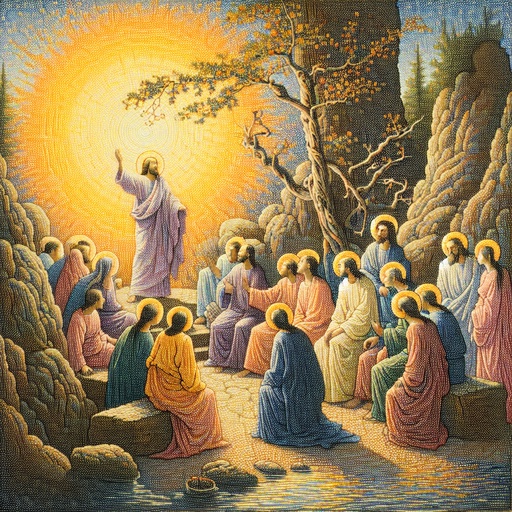
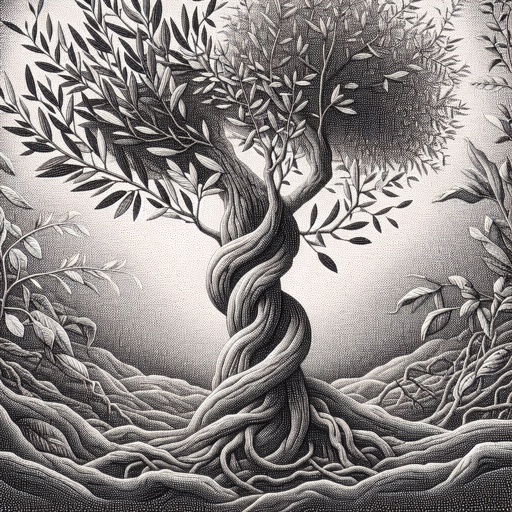
He warns the Gentiles not to be highminded but to revere the mystery of God’s mercy. Our place in the olive tree is due to God’s grace alone. When he says, "Boast not against the branches. But if thou boast, thou bearest not the root, but the root thee" (v. 18), Paul shields us from harboring false pride for our inclusion in God's family. Instead, we are called to humility and gratitude for the grace extended to us—grace which we did not earn.
Furthermore, the warning is poignant: "For if God spared not the natural branches, take heed lest he also spare not thee" (v. 21). This verse serves as an admonition. Our relationship with God hinges on faith, not mere entitlement or lineage. It beckons us to maintain our faithfulness and not take for granted the richness of God's goodness toward us.
Finally, verses 23-24 foreshadow hope—the possibility of restoration for the fallen branches. Paul assures us that “God is able to graft them in again.” This powerful reminder calls forth an active hopefulness and belief in God’s redemptive power. It invites us to participate in prayer and action towards restoration in our communities, and to hold the door open for those who may return to the faith.
In conclusion, Romans 11:11-24 paints a beautiful picture of God’s interconnected plan for both Jews and Gentiles. We are urged to recognize our place within this grand narrative, cultivating humility and gratitude, while longing for the fullness of God’s family to be manifest. Let us embrace our role as branches within the olive tree, cherishing the richness of God's grace, acting in love towards one another, and yearning for the day when all divisions fall away, and the fullness of His kingdom reigns.
Get our apps


Artwork for Romans 11:11-24

Romans 11:11-24 - "I say then, have they stumbled that they should fall? Certainly not! But through their fall, to provoke them to jealousy, salvation has come to the Gentiles. Now if their fall is riches for the world, and their failure riches for the Gentiles, how much more their fullness! For I speak to you Gentiles; inasmuch as I am an apostle to the Gentiles, I magnify my ministry, if by any means I may provoke to jealousy those who are my flesh and save some of them. For if their being cast away is the reconciling of the world, what will their acceptance be but life from the dead? For if the firstfruit is holy, the lump is also holy; and if the root is holy, so are the branches. And if some of the branches were broken off, and you, being a wild olive tree, were grafted in among them, and with them became a partaker of the root and fatness of the olive tree, do not boast against the branches. But if you do boast, remember that you do not support the root, but the root supports you. You will say then, "Branches were broken off that I might be grafted in." Well said. Because of unbelief they were broken off, and you stand by faith. Do not be haughty, but fear. For if God did not spare the natural branches, He may not spare you either. Therefore consider the goodness and severity of God: on those who fell, severity; but toward you, goodness, if you continue in His goodness. Otherwise you also will be cut off. And they also, if they do not continue in unbelief, will be grafted in, for God is able to graft them in again. For if you were cut out of the olive tree which is wild by nature, and were grafted contrary to nature into a cultivated olive tree, how much more will these, who are natural branches, be grafted into their own olive tree?"
"I say then, have they stumbled that they should fall? Certainly not! But through their fall, to provoke them to jealousy, salvation has come to the Gentiles. Now if their fall is riches for the world, and their failure riches for the Gentiles, how much more their fullness! For I speak to you Gentiles; inasmuch as I am an apostle to the Gentiles, I magnify my ministry, if by any means I may provoke to jealousy those who are my flesh and save some of them. For if their being cast away is the reconciling of the world, what will their acceptance be but life from the dead? For if the firstfruit is holy, the lump is also holy; and if the root is holy, so are the branches. And if some of the branches were broken off, and you, being a wild olive tree, were grafted in among them, and with them became a partaker of the root and fatness of the olive tree, do not boast against the branches. But if you do boast, remember that you do not support the root, but the root supports you. You will say then, "Branches were broken off that I might be grafted in." Well said. Because of unbelief they were broken off, and you stand by faith. Do not be haughty, but fear. For if God did not spare the natural branches, He may not spare you either. Therefore consider the goodness and severity of God: on those who fell, severity; but toward you, goodness, if you continue in His goodness. Otherwise you also will be cut off. And they also, if they do not continue in unbelief, will be grafted in, for God is able to graft them in again. For if you were cut out of the olive tree which is wild by nature, and were grafted contrary to nature into a cultivated olive tree, how much more will these, who are natural branches, be grafted into their own olive tree?" - Romans 11:11-24

Romans 11:11

Romans 11:18
Romans 11:18

Romans 11:18

Romans 11:18

Romans 11:18

Romans 11:18
Romans 11:18

Romans 8:11

Romans 11:24 - "For if thou wert cut out of the olive tree which is wild by nature, and wert graffed contrary to nature into a good olive tree: how much more shall these, which be the natural branches, be graffed into their own olive tree?"

Romans 5: 1-11

Romans 11:25-32

Romans 2:11 - "For there is no respect of persons with God."

Romans 5: 1-11

Romans 11:29 - "For the gifts and calling of God are without repentance."

Romans 11:11 - "I say then, Have they stumbled that they should fall? God forbid: but rather through their fall salvation is come unto the Gentiles, for to provoke them to jealousy."

Romans 3:11 - "There is none that understandeth, there is none that seeketh after God."

Romans 12:11 - "Not slothful in business; fervent in spirit; serving the Lord;"

Romans 2:4

Romans 10:11 - "For the scripture saith, Whosoever believeth on him shall not be ashamed."

Genesis 24-11

"For there is no respect of persons with God." - Romans 2:11

Romans 7:11 - "For sin, taking occasion by the commandment, deceived me, and by it slew me."

Exodus 24:9-11

Romans 11:10 - "Let their eyes be darkened, that they may not see, and bow down their back alway."

Romans 11:16 - "For if the firstfruit be holy, the lump is also holy: and if the root be holy, so are the branches."

Romans 11:5 - "Even so then at this present time also there is a remnant according to the election of grace."

Romans 11:19 - "Thou wilt say then, The branches were broken off, that I might be graffed in."