God's Faithful Remnant: Lessons from Elijah
“God hath not cast away his people which he foreknew. Wot ye not what the scripture saith of Elias? how he maketh intercession to God against Israel, saying, Lord, they have killed thy prophets, and digged down thine altars; and I am left alone, and they seek my life.” — Romans 11:2-3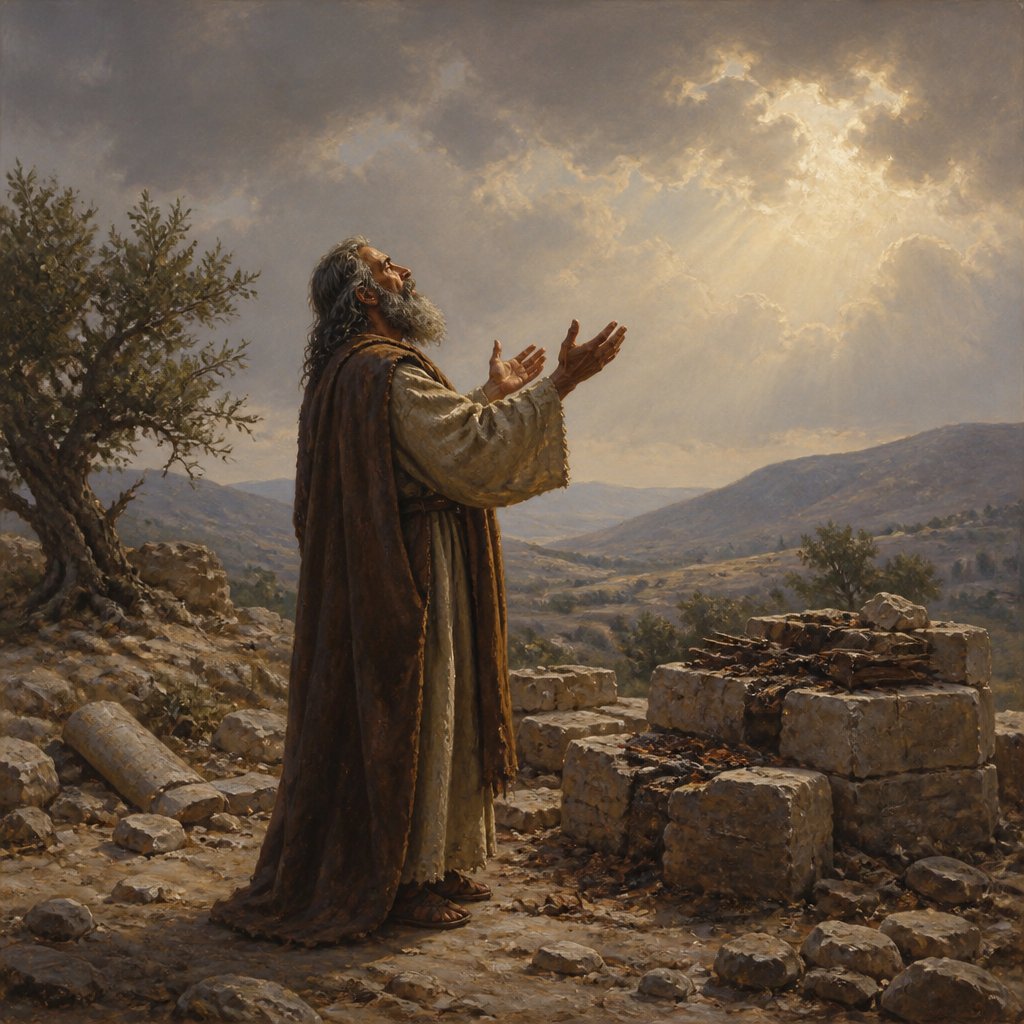
In Romans 11:2-3 (KJV), the Apostle Paul speaks of God's unwavering commitment to His people, Israel—"God hath not cast away his people which he foreknew." This foundational truth begins our journey into understanding God's character, His faithfulness, and His sovereign choice.
Paul employs the example of Elijah (or Elias, as referenced in the KJV) to illustrate a critical point. In verse 3, he poses a thought-provoking question: "Wot ye not what the scripture saith of Elias? how he maketh intercession to God against Israel, saying, Lord, they have killed thy prophets, and digged down thine altars; and I am left alone, and they seek my life."
Elijah's narrative, recorded in 1 Kings 19, offers a window into the depths of despair and isolation. After defeating the prophets of Baal on Mount Carmel, he is met with lethal threats from Queen Jezebel, prompting him to flee into the wilderness, believing he is the last remaining true prophet of God. In his anguished plea, Elijah feels utterly abandoned—a sentiment echoed within the hearts of many believers throughout history who grapple with similar feelings of isolation and alienation.
Yet, Paul's usage of this example is intentional and deeply reflective of God's larger narrative. God’s actions towards His people are not dictated by our feelings of abandonment or solitude; instead, they are anchored in His foreknowledge and eternal purpose. Even when Elijah felt alone, God had preserved a remnant—"But what saith the answer of God unto him? I have reserved to myself seven thousand men, who have not bowed the knee to the image of Baal" (Romans 11:4, KJV). This revelation is pivotal—it reminds us that God’s plan often involves a hidden layer of His ongoing work among His people, even when we cannot see it.
Consider the implications of this truth in our modern lives. Times of personal crisis or societal turmoil can lead us to question God’s promises. Whether we face personal struggles with sin, feeling defeated, or observe a culture that seems increasingly distant from God, we may echo Elijah’s lament. Yet, in these moments, we must allow the truth of God's faithfulness to pulse through our doubt. Just as He preserved a remnant in Elijah's time, God is actively working in ways we may not immediately understand.
Knowing that we serve a God who foreknows and foreloves can instill a profound sense of hope and purpose in each believer's life. God’s faithfulness is not merely theoretical; it’s evident in every season of our lives. When Elijah felt isolated, God was present, assuring him of His presence through the still small voice (1 Kings 19:12).
Moreover, this passage compels us to reflect on our role in the community of believers. In the face of challenges, how can we support one another in recognizing the faithful remnant within our congregations? Perhaps we are called to intercede for those feeling isolated or discouraged, echoing the heart of Elijah in prayer while also pressing into the truth that God has not abandoned His people.
What can we glean from this example? Let us seek to be vessels of hope, reminding others of God's faithfulness and urging one another to anchor our trust in His character over our circumstances. Each of us may have moments of feeling alone, just like Elijah, but we must remember that God sees the complete picture. His church remains vibrant with remnants of faith, even amidst adversity.
In conclusion, Romans 11:2-3 serves not only as a historical recount but as a poignant reminder that we are never truly alone. God’s unwavering love and purpose will continue to call forth a faithful remnant, even when we are tempted to lose heart. May we rest in this truth and extend that hope to others, shining as lights in a world yearning for divine connection and truth.
Get our apps


Artwork for Romans 11:2-3
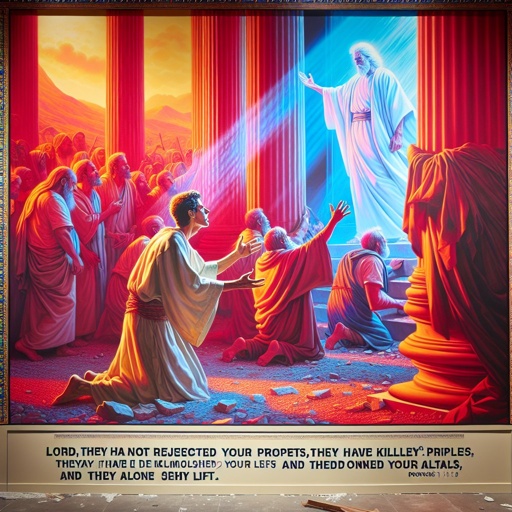
Romans 11:2-3 - "God has not rejected his people whom he foreknew. Do you not know what the Scripture says of Elijah, how he appeals to God against Israel? "Lord, they have killed your prophets, they have demolished your altars, and I alone am left, and they seek my life.""
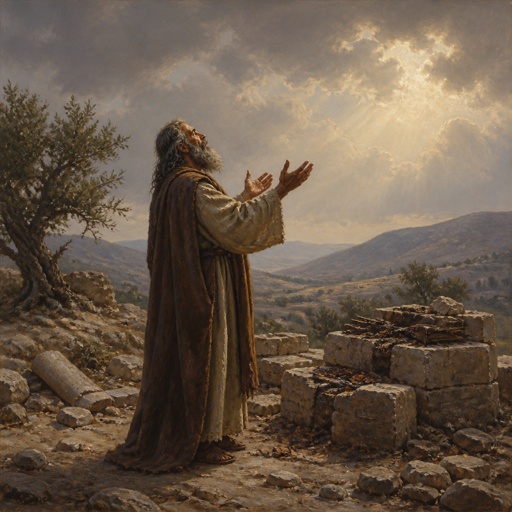
"God has not rejected his people whom he foreknew. Do you not know what the Scripture says of Elijah, how he appeals to God against Israel? "Lord, they have killed your prophets, they have demolished your altars, and I alone am left, and they seek my life."" - Romans 11:2-3

Romans 3:11 - "There is none that understandeth, there is none that seeketh after God."

Romans 2:11 - "For there is no respect of persons with God."

"For there is no respect of persons with God." - Romans 2:11

"There is none that understandeth, there is none that seeketh after God." - Romans 3:11

Romans 11:3 - "Lord, they have killed thy prophets, and digged down thine altars; and I am left alone, and they seek my life."

Romans 3:2 - "Much every way: chiefly, because that unto them were committed the oracles of God."

Romans 11:11

Romans 2:3 - "And thinkest thou this, O man, that judgest them which do such things, and doest the same, that thou shalt escape the judgment of God?"

Romans 11:18

Romans 11:18

Romans 11:18

Romans 11:18

Romans 11:18

Romans 11:18

Romans 11:18

Romans 8:11

Romans 11:2 - "God hath not cast away his people which he foreknew. Wot ye not what the scripture saith of Elias? how he maketh intercession to God against Israel, saying,"

Romans 5: 1-11

Romans 11:25-32

Romans 5: 1-11

Romans 4:3

Romans 3:24

Romans 11:29 - "For the gifts and calling of God are without repentance."

Romans 3:16 - "Destruction and misery are in their ways:"

Romans 12:11 - "Not slothful in business; fervent in spirit; serving the Lord;"

2 Corinthians 3:11 - "For if that which is done away was glorious, much more that which remaineth is glorious."

Romans 3:17 - "And the way of peace have they not known:"

2 Samuel 3:11 - "And he could not answer Abner a word again, because he feared him."