Embracing the Diversity of God's Family
“Let not him that eateth despise him that eateth not; and let not him which eateth not judge him that eateth: for God hath received him.” — Romans 14:3
In the world we live in, differences abound. We see it in culture, opinion, practice, and belief. From the clothes we wear to the food we eat, our backgrounds and experiences shape our choices. Among these differences is the varying ways individuals approach matters of faith and spirituality, especially as it pertains to dietary practices, as highlighted in Romans 14:3, "Let not him that eateth despise him that eateth not; and let not him which eateth not judge him that eateth: for God hath received him."
At first glance, this verse might seem merely about dietary laws, yet its implications stretch far beyond what we eat; it delves deeply into acceptance, love, and the heart of the Christian community. The Apostle Paul, in addressing the early Roman church, aimed to curtail the divisions that often arise due to personal preferences and convictions. Paul understood that within the body of Christ, there would be diverse interpretations of faith and practice based on individual backgrounds and experiences. We are reminded that our primary allegiance should be to Christ, who lovingly accepts all who come to him.
Paul’s directive to not despise or judge one another revolves around the idea of humility. It is easy to look down on those whose behaviors don't align with our decisions, especially when we view our choices as more spiritually mature or enlightened. However, the call here is clear; we must guard our hearts against such tendencies. Despising and judging others can lead to a toxic environment, breeding resentment and discord rather than unity and love. This is why the Apostle emphasizes that God has received the individual, irrespective of their dietary choices. This acceptance is the great equalizer. Each person—whether strong in faith or weak—has a place in God’s heart. For some, dietary restrictions may reflect deeper convictions, perhaps stemming from their upbringing or newfound faith. For others, enjoying the bounty of God’s creation without restriction may serve as an expression of freedom in Christ. Both sides must recognize that their stand is reflective of their relationship with God; therefore, each should respect the other's journey.
Moreover, Paul reminds us that such divisions are not merely social or cultural but spiritual dilemmas that can hinder our collective witness to the world around us. When outsiders observe conflict or judgment within the church, the message of love and acceptance in Christ is obscured. We are called to a higher standard: to exhibit grace and understanding toward one another. This should prompt self-evaluation. Do we show kindness and respect to those whose convictions differ from ours? Or do we harbor judgmental thoughts, ultimately leading to an atmosphere of condemnation rather than one of love?
In our modern context, we might translate this principle to various issues beyond dietary differences. Consider church practices, styles of worship, or political affiliations. Our challenge remains consistent; we ought not despise or judge fellow believers based on such differences. Instead, let us strive for unity in diversity—recognizing that many paths lead to the same God, and countless expressions of faith reveal the multifaceted nature of His creation.
Therefore, as we go about our lives in faith, let us seek to embody Romans 14:3 in tangible ways. When faced with differing beliefs or attitudes, consider this an opportunity to practice empathy. Ask God for wisdom to accept all people as He accepts us. Cultivate a spirit that acknowledges the beautiful diversity that reflects God's creativity. By doing so, we honor our commitment to Christ and usher in an atmosphere where love and acceptance reign, glorifying God in our unity as His cherished family.
Get our apps


Artwork for Romans 14:3

Romans 14:3 - "Let not him that eateth despise him that eateth not; and let not him which eateth not judge him that eateth: for God hath received him."

"Let not him that eateth despise him that eateth not; and let not him which eateth not judge him that eateth: for God hath received him." - Romans 14:3

Romans 3:14 - "Whose mouth is full of cursing and bitterness:"
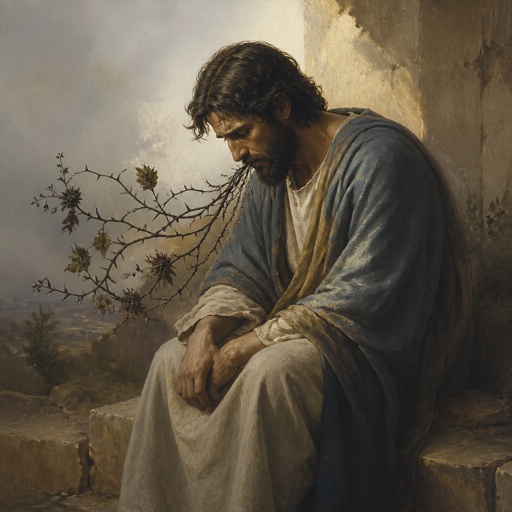
"Whose mouth is full of cursing and bitterness:" - Romans 3:14

Romans 14:12

Romans 8:14

Romans 10:14

Romans 4:3

Romans 14:16 - "Let not then your good be evil spoken of:"

Romans 3:24

Romans 8:14 - "For as many as are led by the Spirit of God, they are the sons of God."

Romans 3:16 - "Destruction and misery are in their ways:"

Romans 14:7 - "For none of us liveth to himself, and no man dieth to himself."

depict the theme of Romans 13:8-14

Romans 14:1 - "Him that is weak in the faith receive ye, but not to doubtful disputations."

Romans 12:14 - "Bless them which persecute you: bless, and curse not."

Romans 9:14 - "What shall we say then? Is there unrighteousness with God? God forbid."

Romans 14:18 - "For he that in these things serveth Christ is acceptable to God, and approved of men."

Romans 3:17 - "And the way of peace have they not known:"

Romans 14:14 - "I know, and am persuaded by the Lord Jesus, that there is nothing unclean of itself: but to him that esteemeth any thing to be unclean, to him it is unclean."

Romans 3:15 - "Their feet are swift to shed blood:"

Romans 3:10 - "As it is written, There is none righteous, no, not one:"

Romans 3:18 - "There is no fear of God before their eyes."

Romans 3:3 - "For what if some did not believe? shall their unbelief make the faith of God without effect?"

Romans 14:12 - "So then every one of us shall give account of himself to God."

Romans 1:14 - "I am debtor both to the Greeks, and to the Barbarians; both to the wise, and to the unwise."

Romans 14:17 - "For the kingdom of God is not meat and drink; but righteousness, and peace, and joy in the Holy Ghost."

Romans 16:14 - "Salute Asyncritus, Phlegon, Hermas, Patrobas, Hermes, and the brethren which are with them."

Romans 7:14 - "For we know that the law is spiritual: but I am carnal, sold under sin."

Romans 4:14 - "For if they which are of the law be heirs, faith is made void, and the promise made of none effect:"