The Debt of Grace: A Divine Calling to All
“I am debtor both to the Greeks, and to the Barbarians; both to the wise, and to the unwise.” — Romans 1:14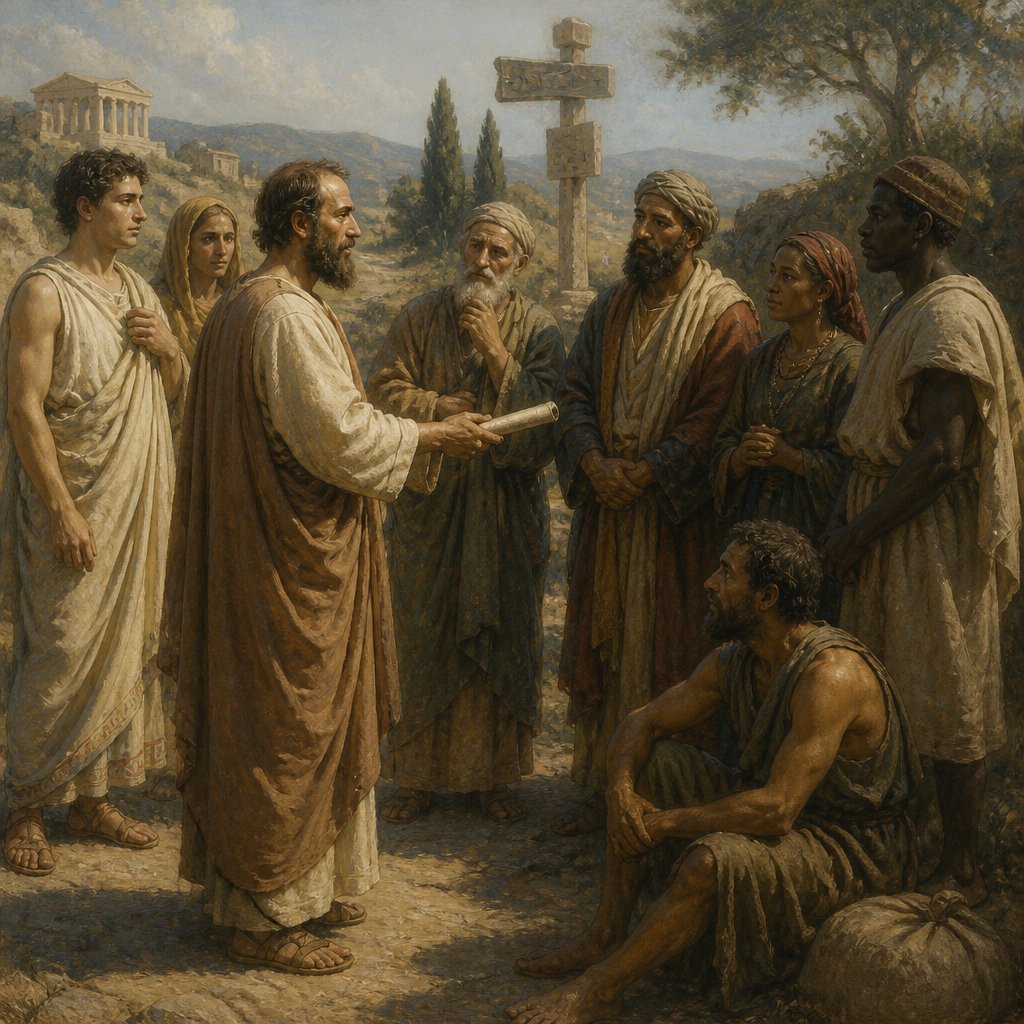
In Romans 1:14, the Apostle Paul boldly declares, "I am debtor both to the Greeks, and to the Barbarians; both to the wise, and to the unwise." To fully appreciate this statement, we must first understand the context in which Paul writes. The early Church was facing immense challenges, and Paul, as an apostle to the Gentiles, was tasked with spreading the Gospel of Jesus Christ across the diverse and multicultural landscape of the Roman Empire. His declaration reflects a profound understanding of the mission and responsibility that he embraced, which can significantly inspire us in our walk of faith today.
The term "debtor" encapsulates both obligation and privilege. Paul saw himself as indebted to everyone—regardless of their background, education level, or societal status—because he had received the grace of God through Christ. This grace was not exclusively for the Jews but was extended to all mankind. Paul recognized that his encounter with Christ had not only transformed his own life but had also set him on a path to share this transformative message with others. We too find ourselves in a similar position. Having experienced God’s love, mercy, and grace, we are indebted to share that love with the world.
In a culture that often emphasizes distinction and division, Paul's words echo a universal call to unity in the mission of the Gospel. He mentions both the Greeks and the Barbarians—geographically and culturally distinct groups. The Greeks, representing the educated and philosophically inclined, viewed themselves as the pinnacle of civilization, while the Barbarians encompassed those outside this realm, often perceived as uncultured or primitive. By referencing both, Paul is illustrating that the Gospel is meant for everyone, transcending societal norms and prejudices. This should challenge us to reflect on our own attitudes. Are there groups we unconsciously consider less deserving of God's message?
The wise and the unwise further highlight another dichotomy. Wisdom, often associated with intellect and understanding, can lead us to believe that we have it all figured out. Conversely, the unwise—those perceived as lacking wisdom or discernment—can be marginalized. Yet, the Gospel is not a pursuit for intellectual elites alone; it’s a gift for every individual. A person’s level of wisdom does not determine their place in God’s Kingdom. Each soul is valuable, and each heart is worth pursuing.
As we contemplate God’s grace in our lives, let us remember Paul’s posture of humility and responsibility. He feels the weight of his calling; thus, there’s urgency in his mission. He knew that the world was desperate for the message of salvation, and he could not remain silent. This notion of urgency in sharing the Gospel can sometimes be forgotten in our busy lives. We have a unique message that speaks of hope, redemption, and love, and we must share it with zeal.
Furthermore, being a debtor implies action. Paul’s understanding of grace compelled him to act, to move beyond mere acknowledgment of his debt to the Gospel itself into its application—his mission to preach. Are we moved to action by the grace we have received? Are we sharing the love of Christ in our communities, workplaces, and beyond?
Finally, consider that Paul’s debt was communal. He didn’t see the Gospel as a personal possession, but something to be shared among both the rich tapestry of society and the individual hearts therein. In our circles and our adversities, may we reflect on our own call within our communities. Who are the Greeks and Barbarians in your life? Who are the wise and unwise you can reach out to with the loving message of Christ?
In summation, Romans 1:14 challenges us to recognize our own indebtedness through grace and our responsibility to share that gift with all of humanity. May our lives reflect a spirit of urgency and boldness as we go into our world, embodying the message of love to every tribe and tongue—fulfilling our debt, one heart at a time.
Get our apps


Artwork for Romans 1:14

Romans 1:14 - "I am debtor both to the Greeks, and to the Barbarians; both to the wise, and to the unwise."
"I am debtor both to the Greeks, and to the Barbarians; both to the wise, and to the unwise." - Romans 1:14

Romans 14:1 - "Him that is weak in the faith receive ye, but not to doubtful disputations."

Loving Beyond Our Differences; Romans 14:1-12

Romans 1:4 - "And declared to be the Son of God with power, according to the spirit of holiness, by the resurrection from the dead:"

Together in Christ: Loving Beyond Our Differences; Romans 14:1-12

Together in Christ: Loving Beyond Our Differences; Romans 14:1-12

Together in Christ: Loving Beyond Our Differences; Romans 14:1-12
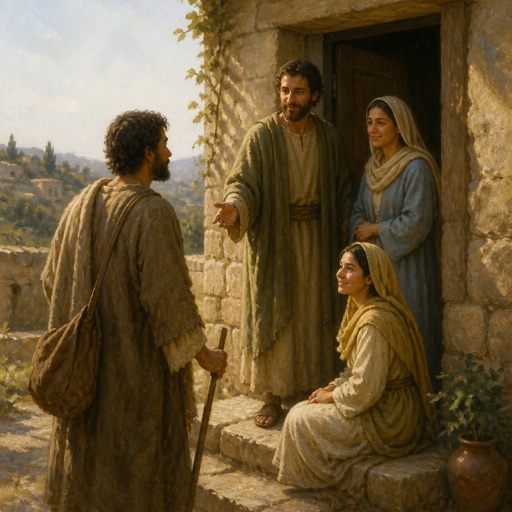
"Him that is weak in the faith receive ye, but not to doubtful disputations." - Romans 14:1

Romans 14:12

Romans 8:14

Romans 10:14

Romans 14:16 - "Let not then your good be evil spoken of:"

Romans 3:14 - "Whose mouth is full of cursing and bitterness:"

Romans 8:14 - "For as many as are led by the Spirit of God, they are the sons of God."

Romans 14:7 - "For none of us liveth to himself, and no man dieth to himself."

depict the theme of Romans 13:8-14

Romans 12:14 - "Bless them which persecute you: bless, and curse not."

Romans 9:14 - "What shall we say then? Is there unrighteousness with God? God forbid."

Romans 14:18 - "For he that in these things serveth Christ is acceptable to God, and approved of men."

Romans 14:14 - "I know, and am persuaded by the Lord Jesus, that there is nothing unclean of itself: but to him that esteemeth any thing to be unclean, to him it is unclean."
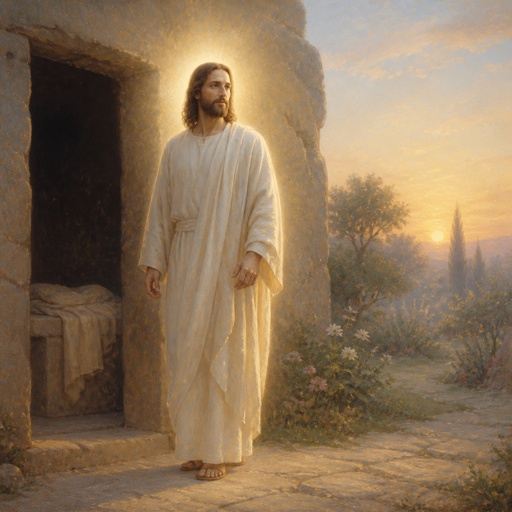
"And declared to be the Son of God with power, according to the spirit of holiness, by the resurrection from the dead:" - Romans 1:4

Romans 14:12 - "So then every one of us shall give account of himself to God."

Romans 16:14 - "Salute Asyncritus, Phlegon, Hermas, Patrobas, Hermes, and the brethren which are with them."

Romans 14:17 - "For the kingdom of God is not meat and drink; but righteousness, and peace, and joy in the Holy Ghost."

Romans 7:14 - "For we know that the law is spiritual: but I am carnal, sold under sin."

Romans 4:14 - "For if they which are of the law be heirs, faith is made void, and the promise made of none effect:"

Romans 6:14 - "For sin shall not have dominion over you: for ye are not under the law, but under grace."
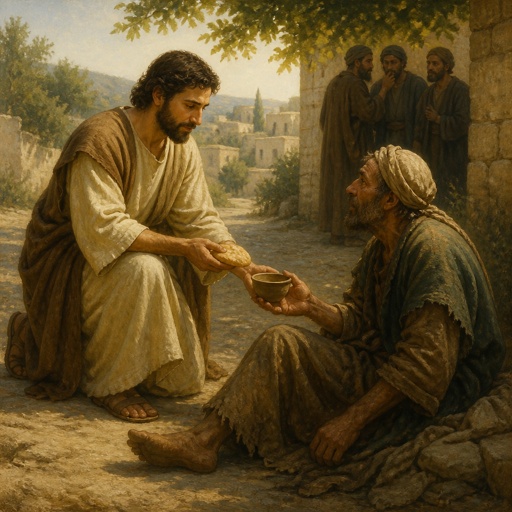
"Let not then your good be evil spoken of:" - Romans 14:16

Romans 13:14 - "But put ye on the Lord Jesus Christ, and make not provision for the flesh, to fulfil the lusts thereof."