What does Romans 1:14 mean?
“I am debtor both to the Greeks, and to the Barbarians; both to the wise, and to the unwise.” — Romans 1:14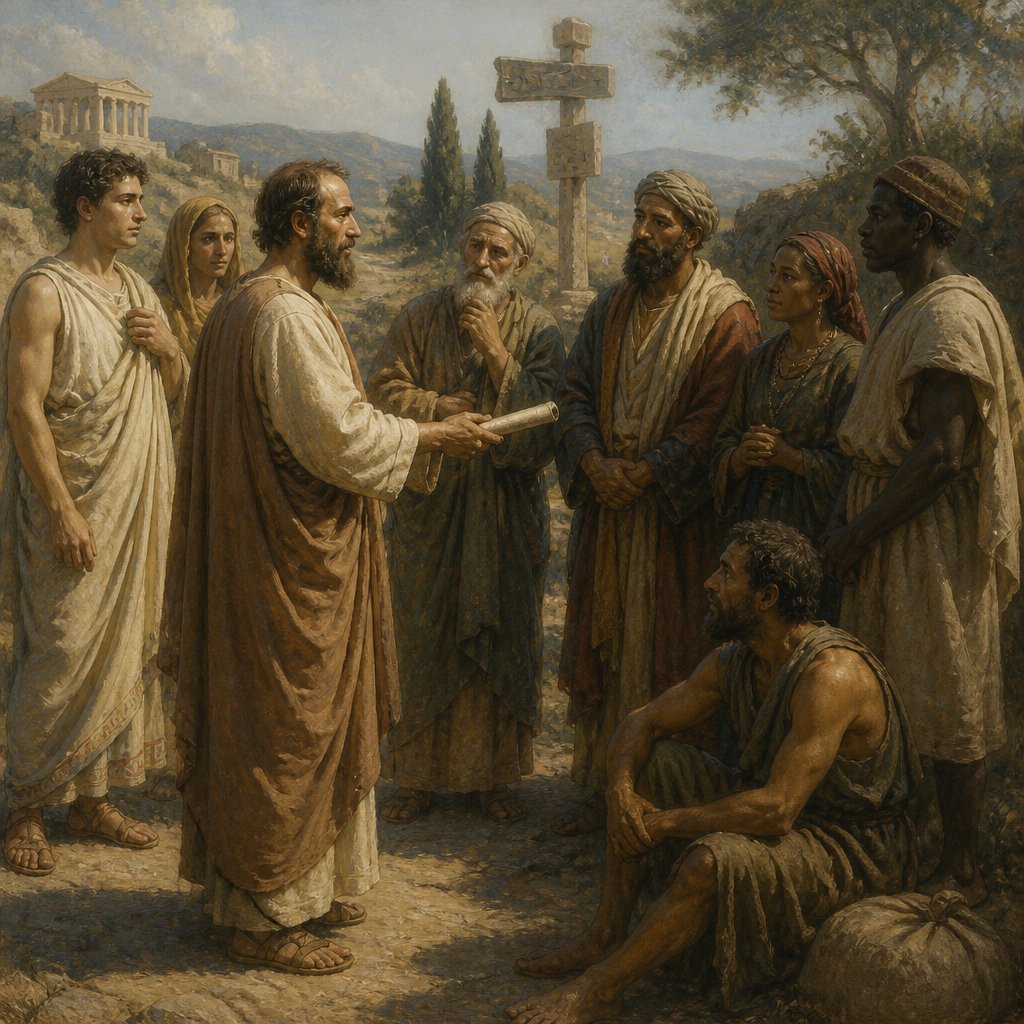
Romans 1:14 in the King James Version of the Bible reads, "I am debtor both to the Greeks, and to the Barbarians; both to the wise, and to the unwise." In this verse, the Apostle Paul is expressing his obligation to share the Gospel of Jesus Christ with everyone, regardless of their background or social status.
The theme of this verse is the universal nature of the Gospel message. In the ancient world, there was a stark distinction between the Greeks, who were considered cultured and sophisticated, and the Barbarians, who were seen as uncivilized and uncultured. There was also a division between the wise, who were educated and knowledgeable, and the unwise, who were ignorant and uneducated. Despite these societal divisions, Paul asserts that he is a debtor to all of them, meaning he is under obligation to share the Good News with everyone, regardless of their social standing or intellectual capacity.
This verse is a reminder that the Gospel is for all people, without exception. It is not just for the elite or the educated, but for everyone, regardless of their background or social status. This message is incredibly relevant today, as it challenges the tendency to create divisions and exclusions based on social status, education, or cultural background.
The context of this verse is important for understanding its significance. Paul wrote the letter to the Romans while he was in Corinth, and he was writing to a diverse audience in the city of Rome. The Roman Empire was a melting pot of different cultures, languages, and social classes, and the church in Rome reflected this diversity. Paul's words would have resonated with the Roman Christians, as they were living in a society that was highly stratified and divided.
Paul's use of the term "Barbarians" is particularly significant. In the ancient world, "Barbarian" was a derogatory term used to refer to people who were not of Greek or Roman descent. It denoted a lack of civilization and culture. By including the Barbarians in his statement, Paul is explicitly stating that the Gospel is not just for the culturally elite, but for everyone, even those who were marginalized and looked down upon by society.
The symbolism in this verse lies in the concept of debt. Paul says that he is a debtor to the Greeks and the Barbarians, the wise and the unwise. This debt is not a financial obligation, but a moral and spiritual one. Paul feels a deep sense of responsibility to share the Gospel with all people, and he is willing to go to great lengths to fulfill this obligation. This concept of debt reflects the selfless and sacrificial nature of Christian ministry, as believers are called to share the love of Christ with others, regardless of the personal cost.
In conclusion, Romans 1:14 is a powerful reminder of the universal nature of the Gospel message. It challenges societal divisions and exclusions, asserting that the Good News is for all people, regardless of their background or social status. This verse has deep relevance for believers today, as it calls us to reexamine our attitudes towards others and to share the love of Christ with everyone we encounter. It serves as a reminder that the Gospel transcends cultural, social, and intellectual boundaries, and is intended for the salvation of all people.
Get our apps


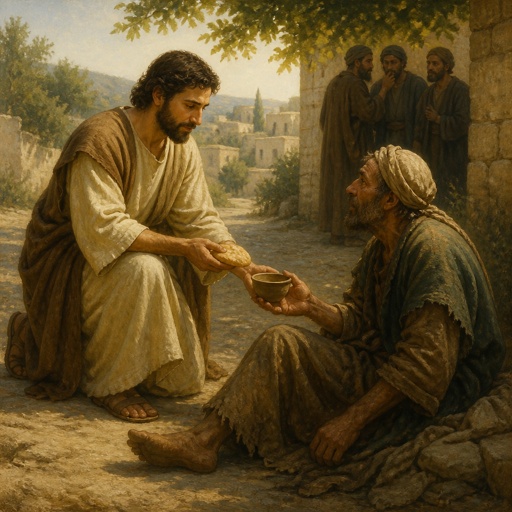
Artwork for Romans 1:14

Romans 1:14 - "I am debtor both to the Greeks, and to the Barbarians; both to the wise, and to the unwise."
"I am debtor both to the Greeks, and to the Barbarians; both to the wise, and to the unwise." - Romans 1:14

Romans 14:1 - "Him that is weak in the faith receive ye, but not to doubtful disputations."

Loving Beyond Our Differences; Romans 14:1-12

Romans 1:4 - "And declared to be the Son of God with power, according to the spirit of holiness, by the resurrection from the dead:"

Together in Christ: Loving Beyond Our Differences; Romans 14:1-12

Together in Christ: Loving Beyond Our Differences; Romans 14:1-12

Together in Christ: Loving Beyond Our Differences; Romans 14:1-12
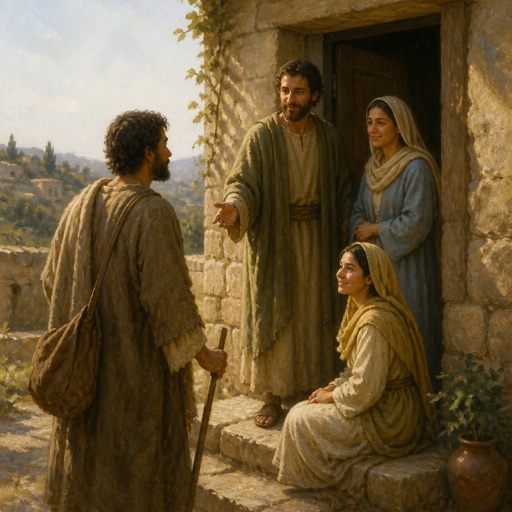
"Him that is weak in the faith receive ye, but not to doubtful disputations." - Romans 14:1

Romans 14:12

Romans 8:14

Romans 10:14

Romans 14:16 - "Let not then your good be evil spoken of:"

Romans 3:14 - "Whose mouth is full of cursing and bitterness:"

Romans 8:14 - "For as many as are led by the Spirit of God, they are the sons of God."

Romans 14:7 - "For none of us liveth to himself, and no man dieth to himself."

depict the theme of Romans 13:8-14

Romans 12:14 - "Bless them which persecute you: bless, and curse not."

Romans 9:14 - "What shall we say then? Is there unrighteousness with God? God forbid."

Romans 14:18 - "For he that in these things serveth Christ is acceptable to God, and approved of men."

Romans 14:14 - "I know, and am persuaded by the Lord Jesus, that there is nothing unclean of itself: but to him that esteemeth any thing to be unclean, to him it is unclean."
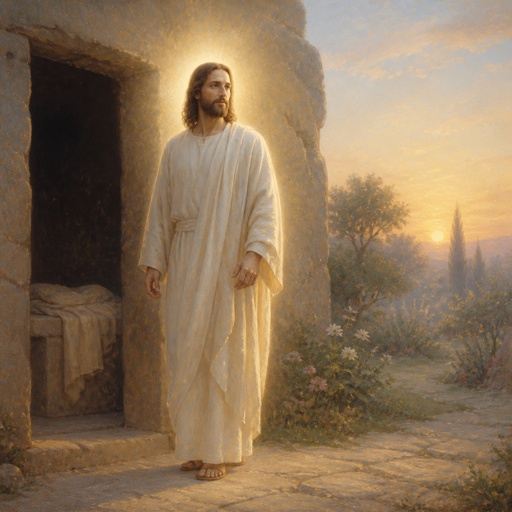
"And declared to be the Son of God with power, according to the spirit of holiness, by the resurrection from the dead:" - Romans 1:4

Romans 14:12 - "So then every one of us shall give account of himself to God."

Romans 16:14 - "Salute Asyncritus, Phlegon, Hermas, Patrobas, Hermes, and the brethren which are with them."

Romans 14:17 - "For the kingdom of God is not meat and drink; but righteousness, and peace, and joy in the Holy Ghost."

Romans 7:14 - "For we know that the law is spiritual: but I am carnal, sold under sin."

Romans 4:14 - "For if they which are of the law be heirs, faith is made void, and the promise made of none effect:"

Romans 6:14 - "For sin shall not have dominion over you: for ye are not under the law, but under grace."
"Let not then your good be evil spoken of:" - Romans 14:16

Romans 13:14 - "But put ye on the Lord Jesus Christ, and make not provision for the flesh, to fulfil the lusts thereof."