The Divine Economy of Glory: Understanding Romans 2:10
“But glory, honour, and peace, to every man that worketh good, to the Jew first, and also to the Gentile:” — Romans 2:10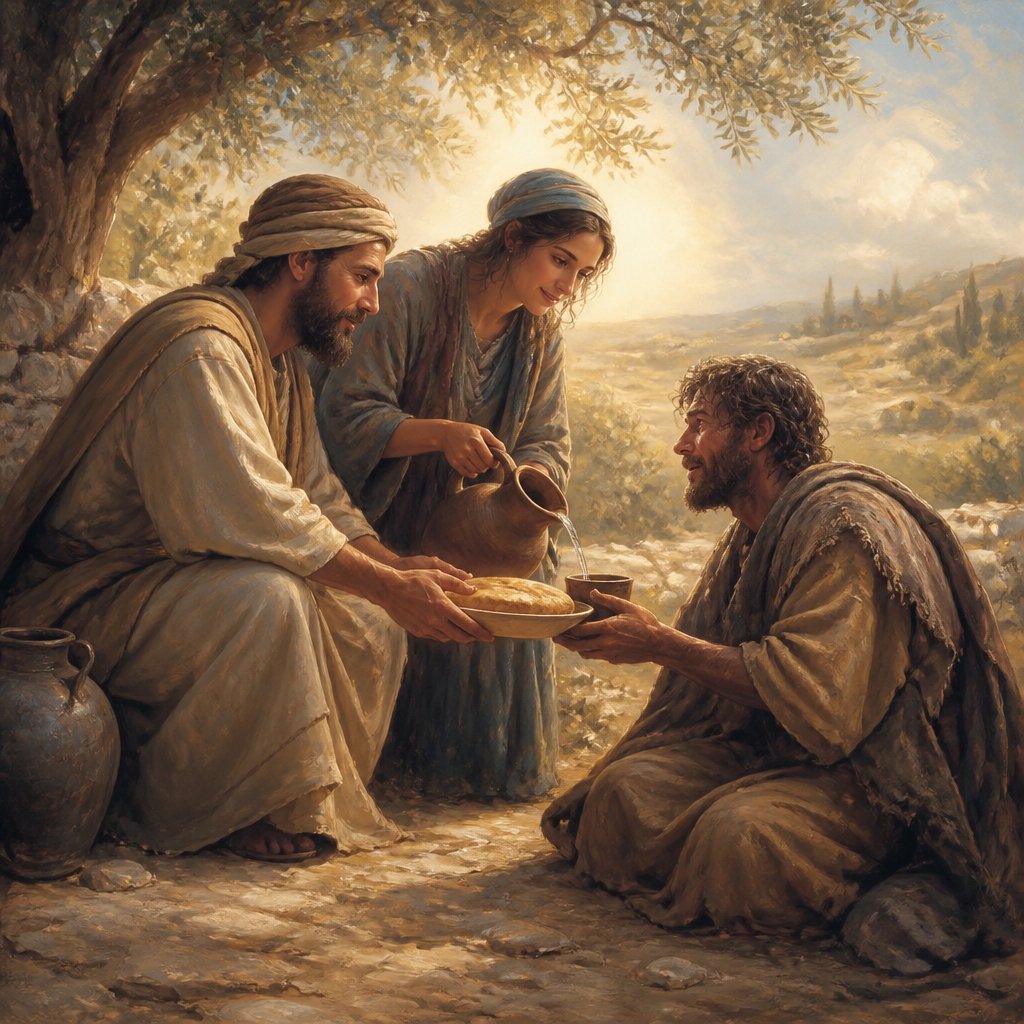
In Romans 2:10, the Apostle Paul proclaims a vital truth that transcends ancient societal constructs and speaks directly to the moral core of humanity: "But glory, honour, and peace, to every man that worketh good, to the Jew first, and also to the Gentile." This verse is a profound declaration of God’s nature and His expectations for all peoples, highlighting the universal principles of reward and recognition that await those who strive to do good.
To unpack the depth of this verse, we must consider the context in which Paul writes. At the time, there was significant tension between Jewish and Gentile communities, often accompanied by pride and the misconception that the Jews held a monopoly on God’s favor. Paul, however, reiterates that God’s grace is available to everyone. In his argument, he presents an equitable God who does not play favorites
or adhere to societal distinctions. Rather, His rewards of glory, honour, and peace are extended to all who do good, regardless of their background.
Let us delve deeper into the words of Paul, beginning with the triad of rewards: glory, honour, and peace. Each element brings with it a unique facet of divine assurance and fulfillment within the believer's life.
**Glory** represents the radiant presence and approval of God upon our lives. In Scripture, we frequently see God’s glory manifested in creation, in His acts of salvation, and in the coming of Christ. When we work good, we align ourselves with God’s divine mission, and in doing so, we reflect His glory. This glory is not just a distant concept but a tangible reality that can manifest in our lives. It fills us with joy and instills a sense of purpose, knowing that our actions have eternal significance.
**Honour** speaks to the recognition from God that accompanies our good works. In a world where the noble and the right are often overlooked or undervalued, there is great comfort in knowing that our actions are seen by the One who matters most. Heaven celebrates the faithful servant who seeks to live a life of goodness, and it is God Himself who will ultimately bear witness to our deeds. This divine accolade may not always be visible or immediate in earthly terms, but God’s perspective is eternal and transcends all temporary tribulations.
Finally, **peace** is perhaps the most profound reward of all. The peace that Paul mentions here is more than the absence of conflict; it is an intimate tranquility that springs from being in right relationship with God, ourselves, and one another. This peace encompasses a sense of wholeness and fulfillment that can only come when we align our lives with His purposes. In Colossians 3:15, we are reminded to allow the peace of Christ to rule in our hearts, a promise available to those who diligently pursue goodness.
In the phrase “to the Jew first, and also to the Gentile,” Paul lays a crucial foundation for understanding divine inclusion and the unfolding of salvation history. God’s covenant began with the Jews, as His chosen people, yet it was always intended to flow out to encompass all nations. This underscores a vital truth about our faith: that the Gospel is not a cultural stereotype but a divine invitation extended to every person. It reminds us of our responsibility to engage in good works and share the message of Christ with everyone we encounter, transcending barriers and boundaries.
As we reflect on Romans 2:10, we are called to become active participants in the work of goodness. Through our actions, we can glorify God, honor His name, and propagate His peace in a world desperately in need of hope. Let us strive to let our lives echo His grace, acknowledging that it is God’s glory, honour, and peace that we seek as we labor for good. May we become vessels of honor, reflecting the light of Christ in all we do, encouraging one another as we pursue the path laid before us.
Get our apps


Artwork for Romans 2:10

Romans 2:10 - "But glory, honour, and peace, to every man that worketh good, to the Jew first, and also to the Gentile:"
"But glory, honour, and peace, to every man that worketh good, to the Jew first, and also to the Gentile:" - Romans 2:10

Romans 10:2 - "For I bear them record that they have a zeal of God, but not according to knowledge."

Romans 10

Romans 10:17

Romans 10:17

Romans 10:17

Romans 10:17

Romans 10:17

Romans 10:17

Romans 10:17

Romans 10:14

"For I bear them record that they have a zeal of God, but not according to knowledge." - Romans 10:2

Romans 10:17

Romans 10:9

Romans 10:9

Romans 10:13-15

Romans 10:10 - "For with the heart man believeth unto righteousness; and with the mouth confession is made unto salvation."

Romans 3:10 - "As it is written, There is none righteous, no, not one:"

Romans 10:4 - "For Christ is the end of the law for righteousness to every one that believeth."

Romans 10:11 - "For the scripture saith, Whosoever believeth on him shall not be ashamed."

Romans 10:17 - "So then faith cometh by hearing, and hearing by the word of God."

Romans 12:2

Romans 12:2

Romans 12:2

Romans 12:2

Romans 12:2

Romans 12:2

Romans 12:2

Romans 7:10 - "And the commandment, which was ordained to life, I found to be unto death."