The Value of Covenant: Understanding Romans 3:1
“What advantage then hath the Jew? or what profit is there of circumcision?” — Romans 3:1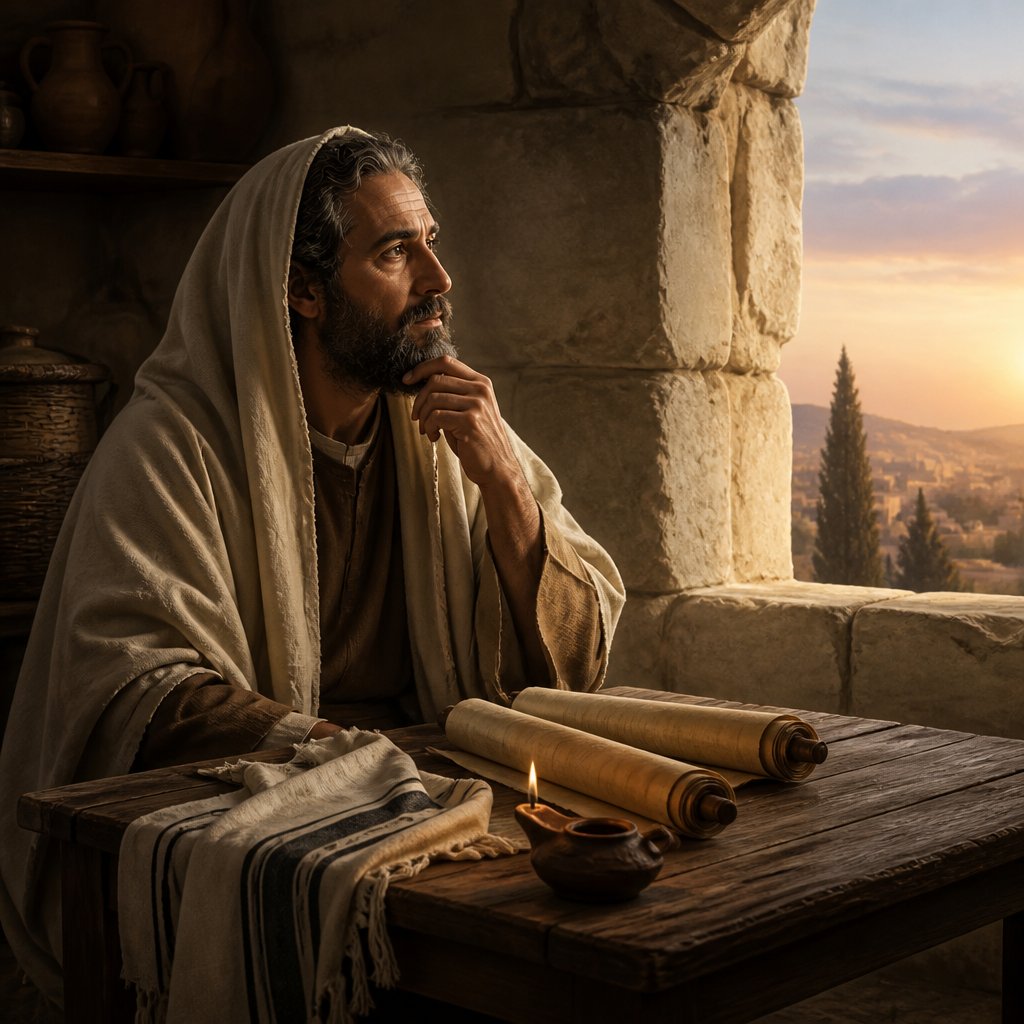
In Romans 3:1, the Apostle Paul poses a thought-provoking question: "What advantage then hath the Jew? or what profit is there of circumcision?" At first glance, this verse may appear to merely lead us into a theological debate about the value of ethnicity and ritual observance in salvation. However, a deeper exploration reveals its profound implications for our understanding of God’s faithfulness and the nature of genuine relationship with Him.
To fully grasp the significance behind Paul's question, we must consider the context in which he was writing. The early Christian church was grappling with a critical understanding of grace, faith, and works. The Jewish believers, who had long held the covenantal status as God's chosen people through circumcision and adherence to the Law, were confronted by the radical reality that faith in Christ superseded all ethnic or cultural claims to divine favor. Paul does not dismiss the Jewish heritage; rather, he is aiming to redefine its meaning through the lens of the Gospel.
The term "advantage" in this verse stems from the Greek word "proōtima," meaning a preeminence or significant benefit. Here, Paul addresses a lingering question among converts regarding what it meant to be part of God's chosen people in light of Christ’s redemptive work. "Circumcision," a critical sign of the covenant in the Old Testament, symbolizes the spiritual status and promises given to the Jewish people. Paul’s rhetorical questions force us to wrestle with the importance of heritage and rituals within the larger narrative of God’s grace.
Next, we must consider the answers to these questions that Paul lays out throughout the subsequent verses of chapter three. In Romans 3:2, he declares, "Much every way: chiefly, because that unto them were committed the oracles of God." Here lies the crux of Paul’s message: The Jews were entrusted with the divine revelations—the Word of God, the commandments, the prophecies, and the covenant promises. Their heritage is rich and awakened with purpose, as they were called to bear the light of God to the world.
However, Paul also acknowledges that mere possession of the oracles does not guarantee salvation. It is not their ethnic identity or ritual observance that saves them but rather their response to the faithfulness of God’s promise, which is fulfilled in Christ. In this transformative message, Paul invites both Jew and Gentile to find their true identity and worth not in ritualistic practices but in a living faith in Jesus Christ. The entire chapter emphasizes that all have sinned, and thus, both Jew and Gentile must approach God through faith rather than through heritage or works.
The implications for us today are rich and manifold. In a world that often elevates cultural identity or ecclesiastical works as measures of spiritual worth, Paul’s rhetorical questions call us to humility and reflection. We learn that our value as believers is not grounded in our backgrounds, traditions, or ceremonies but is rooted in our relationship with Christ. This creates a wonderfully inclusive Gospel that extends hands of fellowship and grace to all, irrespective of their origins.
As we meditate on Romans 3:1, let us embrace the truth that while there is great advantage in the heritage and guidance of the Scriptures, it is faith in Christ alone that makes us right before God. Let us reaffirm our commitment to share this message of grace—the radical news that all are welcome in the family of God, regardless of past or present circumstances. May we stand firm in the knowledge that we are favored not because of our lineage but because of God’s love poured out for us through the sacrifice of Jesus.
Get our apps


Artwork for Romans 3:1

Romans 3:1 - "What advantage then hath the Jew? or what profit is there of circumcision?"
"What advantage then hath the Jew? or what profit is there of circumcision?" - Romans 3:1

Romans 1:3 - "Concerning his Son Jesus Christ our Lord, which was made of the seed of David according to the flesh;"

Romans 4:3

Romans 3:24

Romans 3:16 - "Destruction and misery are in their ways:"
Romans 3:17 - "And the way of peace have they not known:"

Romans 3:15 - "Their feet are swift to shed blood:"

Romans 3:10 - "As it is written, There is none righteous, no, not one:"

Romans 3:18 - "There is no fear of God before their eyes."

Romans 3:3 - "For what if some did not believe? shall their unbelief make the faith of God without effect?"

Romans 3:14 - "Whose mouth is full of cursing and bitterness:"

Romans 3:11 - "There is none that understandeth, there is none that seeketh after God."

Romans 16:3 - "Greet Priscilla and Aquila my helpers in Christ Jesus:"

Romans 3:23 - "For all have sinned, and come short of the glory of God;"

Romans 3:6 - "God forbid: for then how shall God judge the world?"

Romans 1

"Destruction and misery are in their ways:" - Romans 3:16

Romans 8:1

Romans 5:1

Romans 3:27 - "Where is boasting then? It is excluded. By what law? of works? Nay: but by the law of faith."

Romans 3:24 - "Being justified freely by his grace through the redemption that is in Christ Jesus:"

"And the way of peace have they not known:" - Romans 3:17

Romans 3:28 - "Therefore we conclude that a man is justified by faith without the deeds of the law."
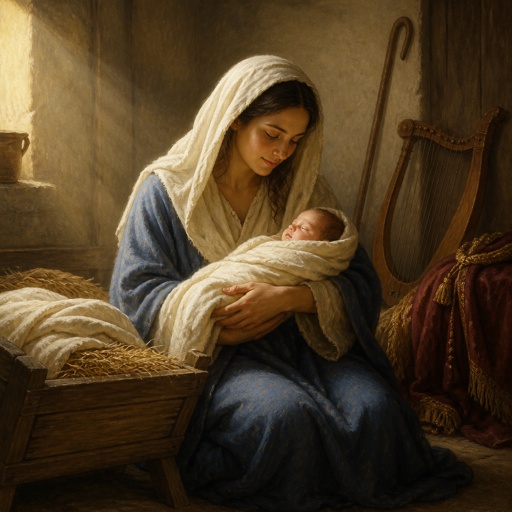
"Concerning his Son Jesus Christ our Lord, which was made of the seed of David according to the flesh;" - Romans 1:3

Romans 2:4

Romans 4:3 - "For what saith the scripture? Abraham believed God, and it was counted unto him for righteousness."

"As it is written, There is none righteous, no, not one:" - Romans 3:10

"Their feet are swift to shed blood:" - Romans 3:15

"There is no fear of God before their eyes." - Romans 3:18