Faith Like Abraham: The Counted Righteousness
“For what saith the scripture? Abraham believed God, and it was counted unto him for righteousness.” — Romans 4:3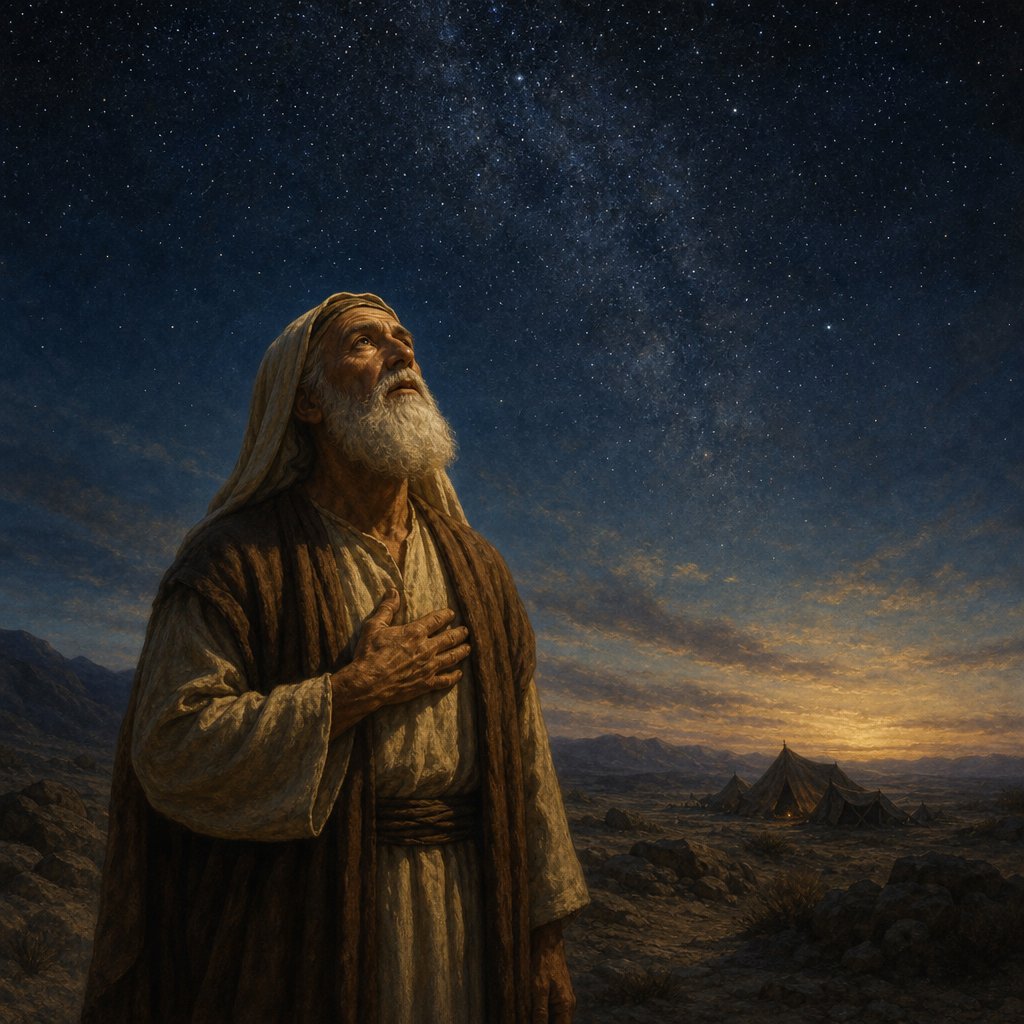
In Romans 4:3, the Apostle Paul poses a profound question that takes us to the very heart of our relationship with God: "For what saith the scripture? Abraham believed God, and it was counted unto him for righteousness." This single verse encapsulates the essence of faith and the nature of justification before God, inviting us into a deeper understanding of what it means to believe and how that belief impacts our standing before a holy God.
To understand this verse fully, we must look back at the life of Abraham, often referred to as the father of faith. In the Book of Genesis, we read about Abraham’s journey of faith—a journey marked by trust and obedience amidst uncertainty. When God called Abraham to leave his homeland for a place he had never seen, Abraham’s immediate response was one of trust. He didn’t fully understand where he was going, yet he believed that God had a plan, and his faith set the stage for a remarkable covenant with God.
The phrase "he believed God" is not merely a passive acceptance of God’s existence. It denotes an active and transformative trust. Abraham’s belief was an engaging trust that led him to act on it. This kind of faith goes beyond intellectual agreement; it is faith with feet, the kind that leads to action and signifies a deeper commitment to God. Abraham’s belief activated God's promise, wherein God declared Abraham righteous. This is a powerful reminder that our faith is more than agreeing with doctrines; it is actively engaging with God’s word and allowing it to transform our lives.
The significance of being "counted unto him for righteousness" cannot be overstated. Abraham was not deemed righteous because of his own merit or good works; rather, his righteousness came through faith alone. This principle is revolutionary. It tells us that righteousness is not something we can earn or achieve through our own efforts. Instead, it is a gift given freely to those who will believe. When we put our faith in God, our account is credited with righteousness, just as Abraham’s was. This is the heart of the gospel: God accepts us not based on our works but based on our faith in Him.
Paul uses Abraham's example to illustrate the nature of justification for all believers, whether Jew or Gentile. This radical assertion speaks to the core of the Christian faith—that faith in Jesus Christ enables all people to be made right with God. Romans teaches us that the entire world can receive this gift of righteousness through faith; it is available to anyone who is willing to believe and put their trust in Jesus.
In reflecting on this verse, we must also consider the implications of Abraham’s faith in our daily lives. How often do we wrestle with doubt and fear when faced with difficult choices and unknown paths? Abraham's faith doesn't mean that we will not face challenges; rather, it means that amidst those challenges, we can trust in God’s promises. When we believe God, we echo Abraham’s faith, which leads to a radical change in our relationship with Him. We can boldly approach the throne of grace and stand justified before Him.
As you meditate on Romans 4:3 today, ask yourself: Do I truly believe God? Am I willing to act in faith, regardless of the uncertainties that lie ahead? Let us embrace the faith of Abraham, trusting that our belief in God’s promises will lead us into a deeper relationship with Him, ultimately resulting in righteousness counted to us. God’s call to faith remains as relevant today as it was in Abraham’s time: trust Him, believe in His promises, and walk in the righteousness that comes from faith.
Get our apps


Artwork for Romans 4:3

Romans 4:3

Romans 4:3 - "For what saith the scripture? Abraham believed God, and it was counted unto him for righteousness."
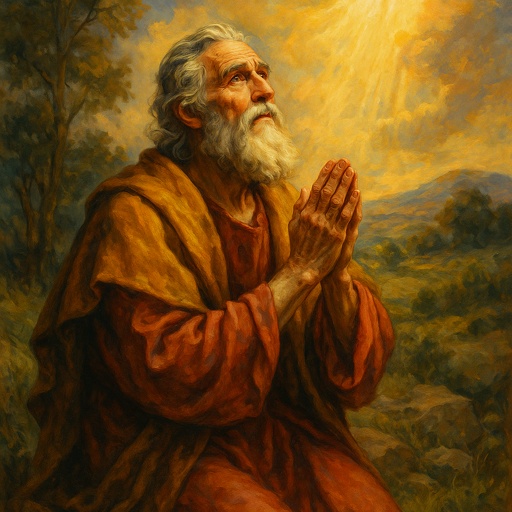
"For what saith the scripture? Abraham believed God, and it was counted unto him for righteousness." - Romans 4:3
"For what saith the scripture? Abraham believed God, and it was counted unto him for righteousness." - Romans 4:3

Romans 5:3-4 - "And not only so, but we glory in tribulations also: knowing that tribulation worketh patience; And patience, experience; and experience, hope."

Romans 3:3-4 - "For what if some were unfaithful? Will their unfaithfulness nullify God's faithfulness? Not at all! Let God be true, and every human being a liar. As it is written: "So that you may be proved right when you speak and prevail when you judge.""

Romans 3:4 - "God forbid: yea, let God be true, but every man a liar; as it is written, That thou mightest be justified in thy sayings, and mightest overcome when thou art judged."

Romans 2:4

Romans 3:24

Romans 4:4 - "Now to him that worketh is the reward not reckoned of grace, but of debt."

Romans 3:16 - "Destruction and misery are in their ways:"
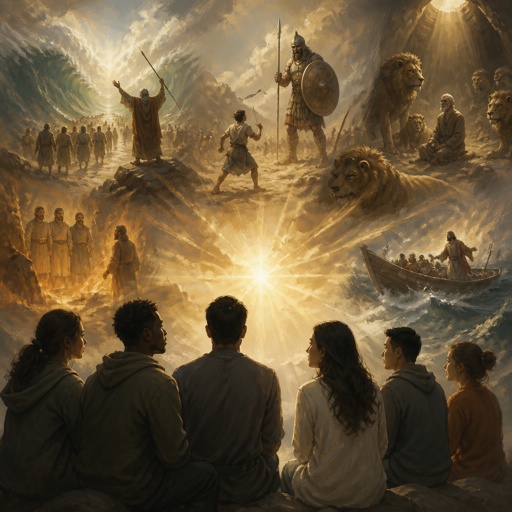
Romans 15:4-6
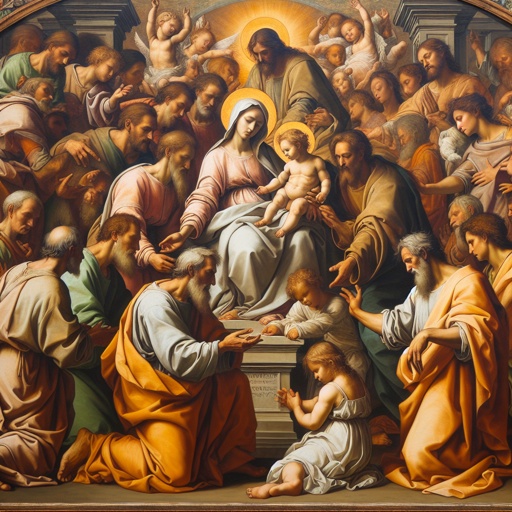
romans 12: 4-5
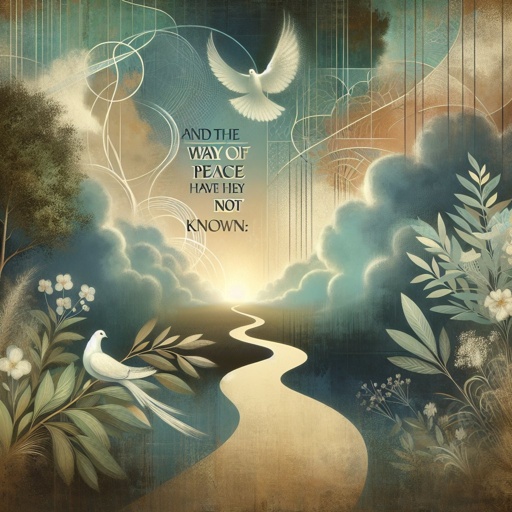
Romans 3:17 - "And the way of peace have they not known:"

Romans 5:4 - "And patience, experience; and experience, hope:"

Romans 4:22 - "And therefore it was imputed to him for righteousness."

Romans 3:15 - "Their feet are swift to shed blood:"

Romans 3:10 - "As it is written, There is none righteous, no, not one:"

Romans 3:18 - "There is no fear of God before their eyes."

Romans 3:3 - "For what if some did not believe? shall their unbelief make the faith of God without effect?"

Romans 3:14 - "Whose mouth is full of cursing and bitterness:"

"And not only so, but we glory in tribulations also: knowing that tribulation worketh patience; And patience, experience; and experience, hope." - Romans 5:3-4

Romans 4:8 - "Blessed is the man to whom the Lord will not impute sin."

Romans 3:11 - "There is none that understandeth, there is none that seeketh after God."

Romans 16:3 - "Greet Priscilla and Aquila my helpers in Christ Jesus:"

Romans 4:15 - "Because the law worketh wrath: for where no law is, there is no transgression."

Romans 10:4 - "For Christ is the end of the law for righteousness to every one that believeth."

Romans 4:23 - "Now it was not written for his sake alone, that it was imputed to him;"

Romans 3:1 - "What advantage then hath the Jew? or what profit is there of circumcision?"

Romans 3:23 - "For all have sinned, and come short of the glory of God;"