The Unconditional Blessing of Faith
“Cometh this blessedness then upon the circumcision only, or upon the uncircumcision also? for we say that faith was reckoned to Abraham for righteousness.” — Romans 4:9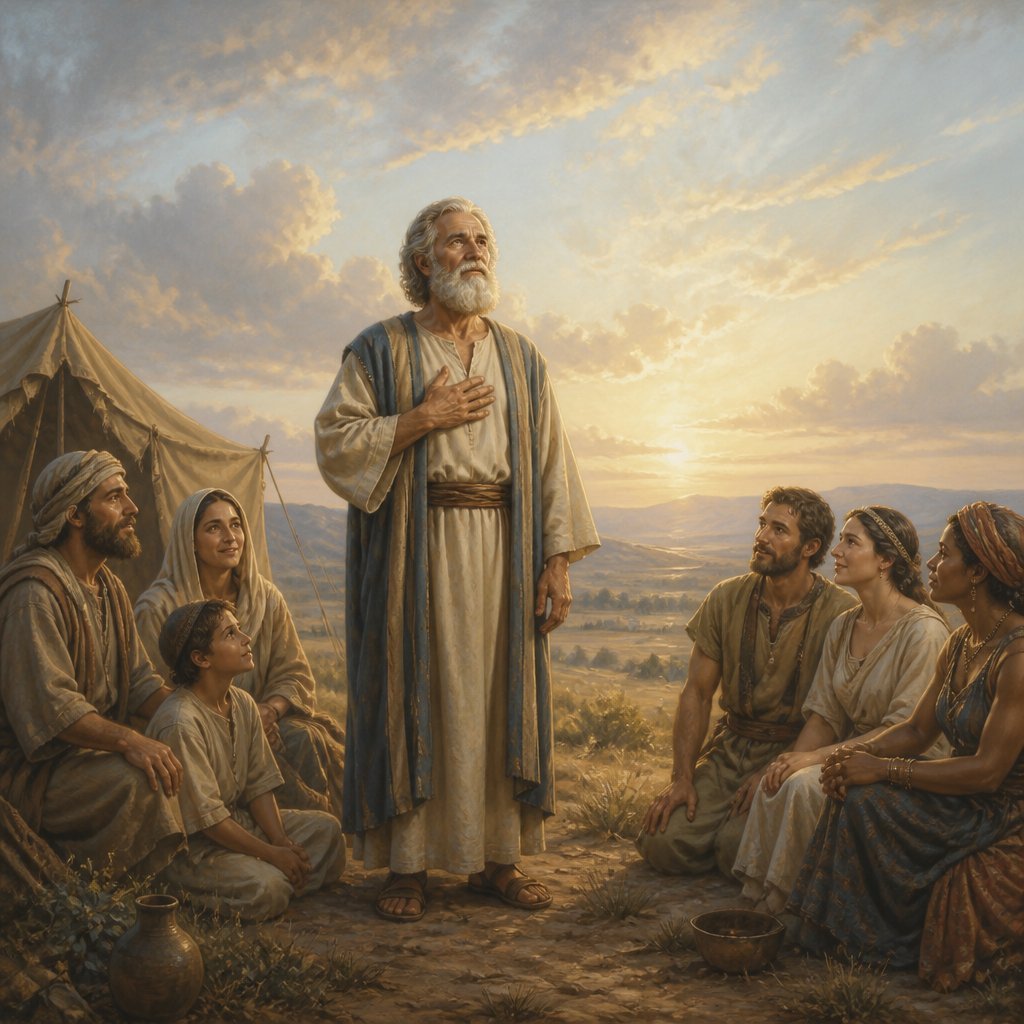
In Paul's letter to the Romans, chapter 4, verse 9 raises a profound and crucial question concerning the nature of God's grace and the inheritance of His promise. The verse states, "Cometh this blessedness then upon the circumcision only, or upon the uncircumcision also? For we say that faith was reckoned to Abraham for righteousness." This verse invites us to explore the topic of faith and its accessibility to all humanity, transcending the bounds of cultural and religious identities.
To fully appreciate the depth of this inquiry, we must first understand the context in which Paul is writing. The early Christian church was grappling with the complexities of how the Jewish law interacted with the message of salvation through Jesus Christ. Many believed that the blessings of the covenant—a promise from God to Abraham and his descendants—were exclusively for the Jews, the circumcised. Paul challenges this notion, illustrating that righteousness is not determined by physical markers or adherence to the law, but rather by the faith in God that Abraham demonstrated long before the law was given.
When Paul asks whether this blessedness comes only to the circumcised or also to the uncircumcised, he is drawing attention to the universality of God's grace. The term "blessedness" here relates to the state of being favored by God, and Paul want us to see that this divine favor is available to everyone, regardless of their background or religious practices. Paul uses Abraham as a prime example, emphasizing that it was his faith—his belief in God—that was counted as righteousness.
This is a radical concept, both in Paul's time and even today. It compels us to reconsider what it means to be in right standing with God. It tells us that salvation is not a matter of cultural markers, religious rituals, or personal merit. Instead, it is grounded in a simple yet profound trust in God—something available to all people. The term "uncircumcision" as referenced here symbolizes those outside the Jewish faith, the Gentiles, who were deemed unclean or outside the promise. Yet, through faith, they too are brought into the fold, making God's family larger and more inclusive.
As modern readers of Romans, we need to wrestle with the implications of this verse for our own lives and faith journeys. Are we tempted to draw lines of exclusion based on our own traditions or practices? Do we try to put God in a box, limiting whom He chooses to bless? Romans 4:9 encourages us to lose these boundaries and to embrace the radical love of the Gospel. God is not just for the righteous or the outwardly observant; He is for the lost, the broken, the marginalized, and every sinner who would come to Him in faith.
The question that Paul poses also leads us into a deeper understanding of what it means to live as a community of believers. As we gather as the body of Christ, we are reminded that rules and rites do not determine our worth in the eyes of God; rather, it is our mutual faith in Christ that binds us together. We must strive to build a community that mirrors this truth—one that is open, welcoming, and grounded in love and faith rather than division and ritualism.
In conclusion, Romans 4:9 serves as a beautiful reminder of the scope of God's grace—a grace that covers all of humanity through faith. May we be emboldened to share this message with others and remain steadfast in our belief, remembering that it is not our works but our faith that brings us into the fold of God's blessedness. Let us celebrate the fact that we are all welcome at His table, endowed with the righteousness that comes from believing in Him. In this, we find our true identity, not marked by religious or worldly labels, but as beloved children of the Most High.
Get our apps


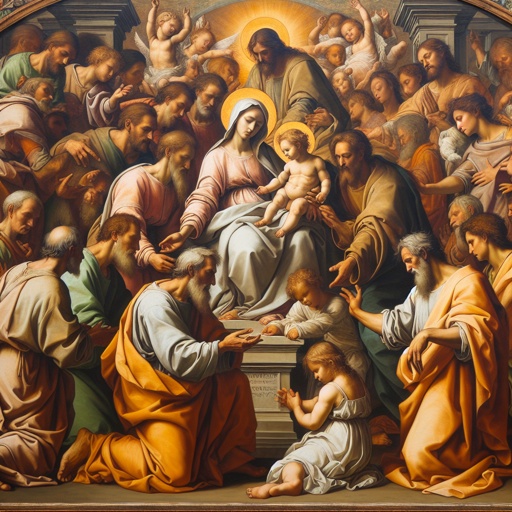
Artwork for Romans 4:9

Romans 4:9 - "Cometh this blessedness then upon the circumcision only, or upon the uncircumcision also? for we say that faith was reckoned to Abraham for righteousness."
"Cometh this blessedness then upon the circumcision only, or upon the uncircumcision also? for we say that faith was reckoned to Abraham for righteousness." - Romans 4:9

Romans 9:4 - "Who are Israelites; to whom pertaineth the adoption, and the glory, and the covenants, and the giving of the law, and the service of God, and the promises;"

Romans 10:9

Romans 10:9
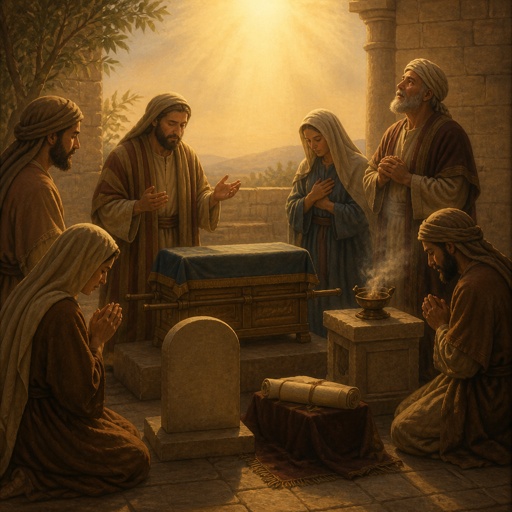
"Who are Israelites; to whom pertaineth the adoption, and the glory, and the covenants, and the giving of the law, and the service of God, and the promises;" - Romans 9:4

Romans 9:9 - "For this is the word of promise, At this time will I come, and Sara shall have a son."

Romans 4:3

Romans 2:4

Romans 4:4 - "Now to him that worketh is the reward not reckoned of grace, but of debt."
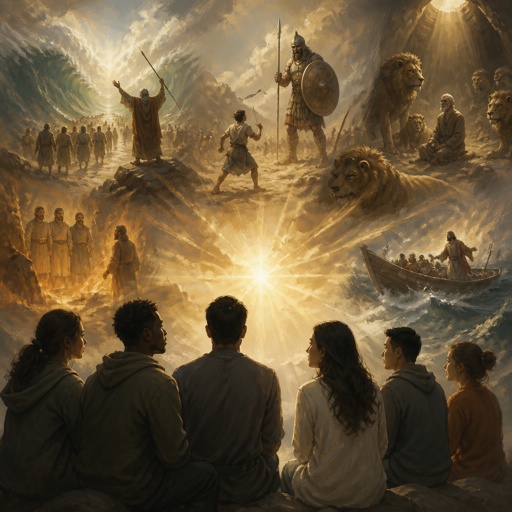
Romans 15:4-6
romans 12: 4-5

Romans 5:4 - "And patience, experience; and experience, hope:"

Romans 9:12 - "It was said unto her, The elder shall serve the younger."

Romans 4:22 - "And therefore it was imputed to him for righteousness."

Romans 9:14 - "What shall we say then? Is there unrighteousness with God? God forbid."

Romans 16:9 - "Salute Urbane, our helper in Christ, and Stachys my beloved."

Romans 9:2 - "That I have great heaviness and continual sorrow in my heart."

Romans 9:8 - "That is, They which are the children of the flesh, these are not the children of God: but the children of the promise are counted for the seed."

Romans 4:8 - "Blessed is the man to whom the Lord will not impute sin."

Romans 9:32 - "Wherefore? Because they sought it not by faith, but as it were by the works of the law. For they stumbled at that stumblingstone;"

Romans 9:13 - "As it is written, Jacob have I loved, but Esau have I hated."

Romans 9:16 - "So then it is not of him that willeth, nor of him that runneth, but of God that sheweth mercy."

Romans 4:15 - "Because the law worketh wrath: for where no law is, there is no transgression."

Romans 4:23 - "Now it was not written for his sake alone, that it was imputed to him;"

Romans 10:4 - "For Christ is the end of the law for righteousness to every one that believeth."

Romans 12:9 - "Let love be without dissimulation. Abhor that which is evil; cleave to that which is good."

Romans 9:31 - "But Israel, which followed after the law of righteousness, hath not attained to the law of righteousness."

Romans 9:24 - "Even us, whom he hath called, not of the Jews only, but also of the Gentiles?"

Romans 4:7 - "Saying, Blessed are they whose iniquities are forgiven, and whose sins are covered."