What does Romans 4:9 mean?
“Cometh this blessedness then upon the circumcision only, or upon the uncircumcision also? for we say that faith was reckoned to Abraham for righteousness.” — Romans 4:9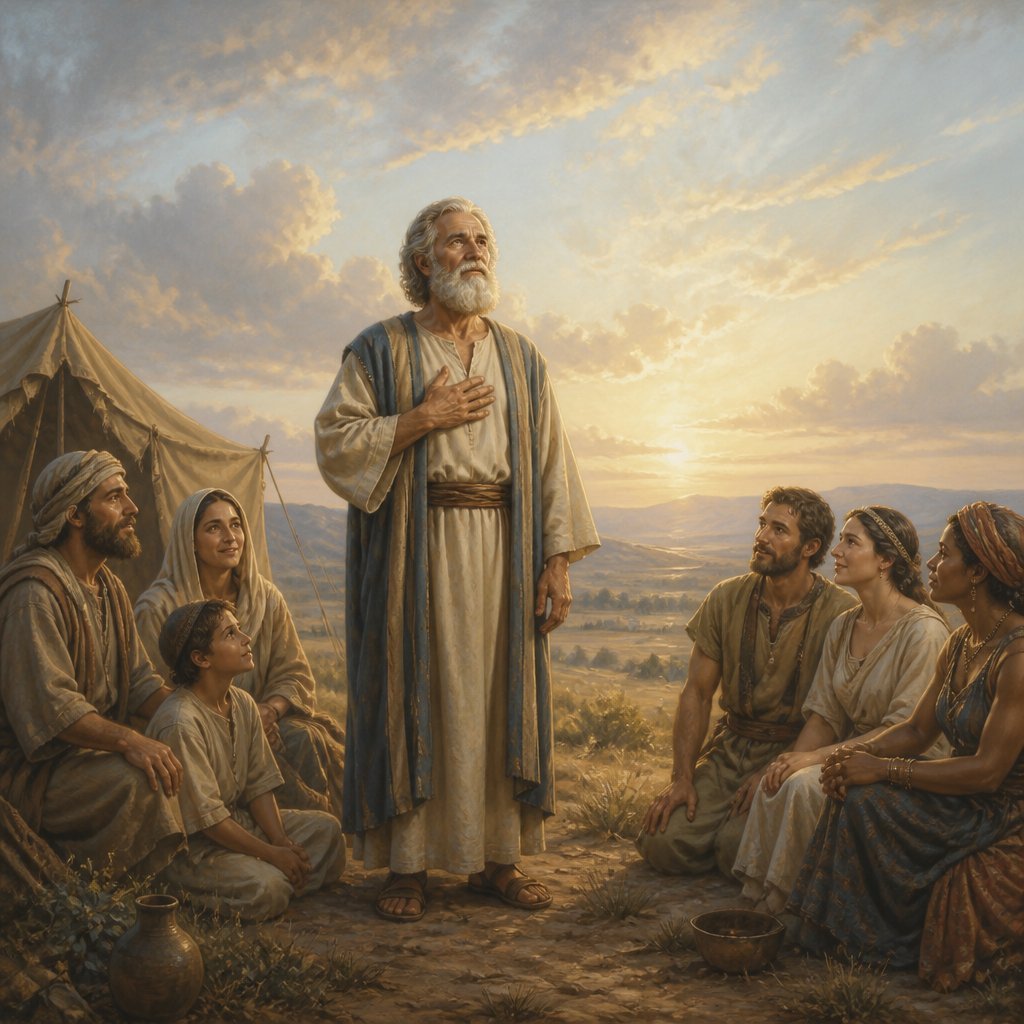
Romans 4:9 (KJV): "Cometh this blessedness then upon the circumcision only, or upon the uncircumcision also? for we say that faith was reckoned to Abraham for righteousness."
In Romans 4:9, the Apostle Paul addresses a central question that had arisen within the early Christian community: who is the recipient of God's blessings? Specifically, Paul is addressing the issue of whether the promised blessings of God, which were once associated with the physical act of circumcision, are now available to those who are not physically circumcised, namely the Gentiles.
To understand the significance of this verse, it is essential to consider the historical and cultural context in which it was written. In the ancient Jewish tradition, circumcision held a central place as a physical sign of the covenant between God and the people of Israel. It was a distinguishing mark that set the Jewish people apart from the Gentiles and was considered a necessary prerequisite for receiving the full benefits of God's favor and blessings. However, with the advent of Christianity, the role of circumcision in relation to God's blessings became a matter of theological debate and contention.
In this verse, Paul was not only addressing the controversy surrounding circumcision but also presenting a powerful argument for the universal nature of God's blessings through faith. Paul's argument is rooted in the example of Abraham, who is revered as the father of the Jewish nation and a model of faith for all believers. Paul makes the case that Abraham's righteousness was not achieved through the physical act of circumcision, but rather through his unwavering faith in God's promises.
This shift from the outward, ritualistic sign of circumcision to the inward, spiritual reality of faith was a radical departure from the predominant Jewish understanding of righteousness. Paul's message was clear: the blessings of God are not limited to a particular ethnic group or circumstantial condition but are available to all who place their faith in God. This was a revolutionary concept that challenged the exclusivity of the Jewish religious identity and opened the door for the inclusion of the Gentiles into the covenant family of God.
Furthermore, Paul's argument in Romans 4:9 underscores an important theological theme that runs throughout the New Testament: the primacy of faith in Christ as the means of receiving God's righteousness and blessings. This theme is interwoven into the narrative of salvation, which emphasizes that it is not through human effort or adherence to religious rituals, such as circumcision, but through faith in Jesus Christ that people are made righteous before God.
The symbolism of circumcision in this verse serves as a powerful metaphor for the larger spiritual truth that Paul is conveying. Circumcision, as an external act, represents a physical mark of identity and belonging, whereas faith represents an internal disposition of the heart and a personal relationship with God. Paul is highlighting the transformative power of faith as the basis for righteousness and the key that unlocks the door to God's blessings for all people, regardless of their background or heritage.
In conclusion, Romans 4:9 is a profoundly rich and resonant verse that encapsulates the profound theological shift from the external, ritualistic aspects of religion to the internal, transformative nature of faith. Through his powerful argument, Paul illuminates the universal scope of God's blessings and the foundational role of faith in appropriating God's righteousness. This verse continues to speak to the hearts of believers, reminding them that their identity and standing before God are not contingent on outward rituals or cultural distinctions, but are secured through a living, vibrant faith in Jesus Christ.
Get our apps


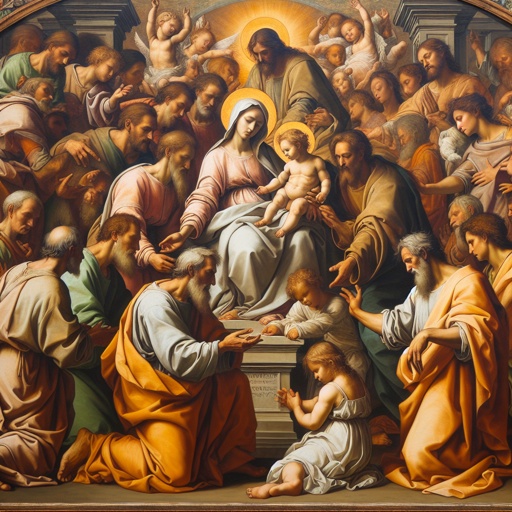
Artwork for Romans 4:9

Romans 4:9 - "Cometh this blessedness then upon the circumcision only, or upon the uncircumcision also? for we say that faith was reckoned to Abraham for righteousness."
"Cometh this blessedness then upon the circumcision only, or upon the uncircumcision also? for we say that faith was reckoned to Abraham for righteousness." - Romans 4:9

Romans 9:4 - "Who are Israelites; to whom pertaineth the adoption, and the glory, and the covenants, and the giving of the law, and the service of God, and the promises;"

Romans 10:9

Romans 10:9
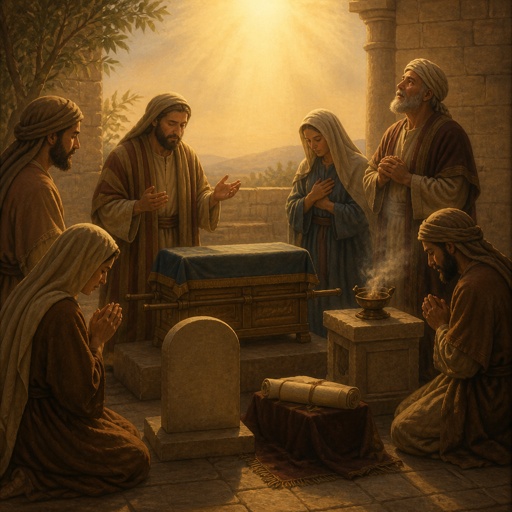
"Who are Israelites; to whom pertaineth the adoption, and the glory, and the covenants, and the giving of the law, and the service of God, and the promises;" - Romans 9:4

Romans 9:9 - "For this is the word of promise, At this time will I come, and Sara shall have a son."

Romans 4:3

Romans 2:4

Romans 4:4 - "Now to him that worketh is the reward not reckoned of grace, but of debt."
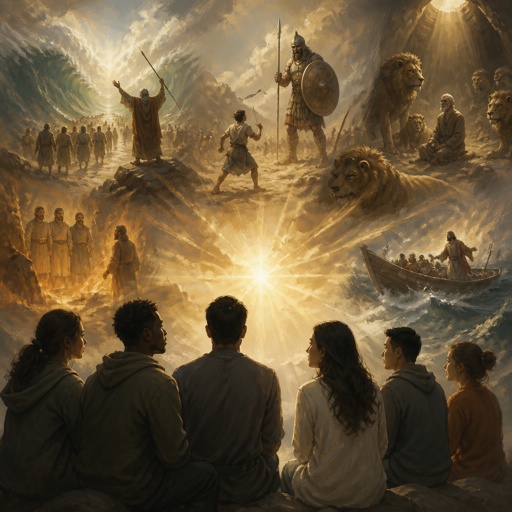
Romans 15:4-6
romans 12: 4-5

Romans 5:4 - "And patience, experience; and experience, hope:"

Romans 9:12 - "It was said unto her, The elder shall serve the younger."

Romans 4:22 - "And therefore it was imputed to him for righteousness."

Romans 9:14 - "What shall we say then? Is there unrighteousness with God? God forbid."

Romans 16:9 - "Salute Urbane, our helper in Christ, and Stachys my beloved."

Romans 9:2 - "That I have great heaviness and continual sorrow in my heart."

Romans 9:8 - "That is, They which are the children of the flesh, these are not the children of God: but the children of the promise are counted for the seed."

Romans 4:8 - "Blessed is the man to whom the Lord will not impute sin."

Romans 9:32 - "Wherefore? Because they sought it not by faith, but as it were by the works of the law. For they stumbled at that stumblingstone;"

Romans 9:13 - "As it is written, Jacob have I loved, but Esau have I hated."

Romans 9:16 - "So then it is not of him that willeth, nor of him that runneth, but of God that sheweth mercy."

Romans 4:15 - "Because the law worketh wrath: for where no law is, there is no transgression."

Romans 4:23 - "Now it was not written for his sake alone, that it was imputed to him;"

Romans 10:4 - "For Christ is the end of the law for righteousness to every one that believeth."

Romans 12:9 - "Let love be without dissimulation. Abhor that which is evil; cleave to that which is good."

Romans 9:31 - "But Israel, which followed after the law of righteousness, hath not attained to the law of righteousness."

Romans 9:24 - "Even us, whom he hath called, not of the Jews only, but also of the Gentiles?"

Romans 4:7 - "Saying, Blessed are they whose iniquities are forgiven, and whose sins are covered."