The Divine Paradox: Serving the Younger
“It was said unto her, The elder shall serve the younger.” — Romans 9:12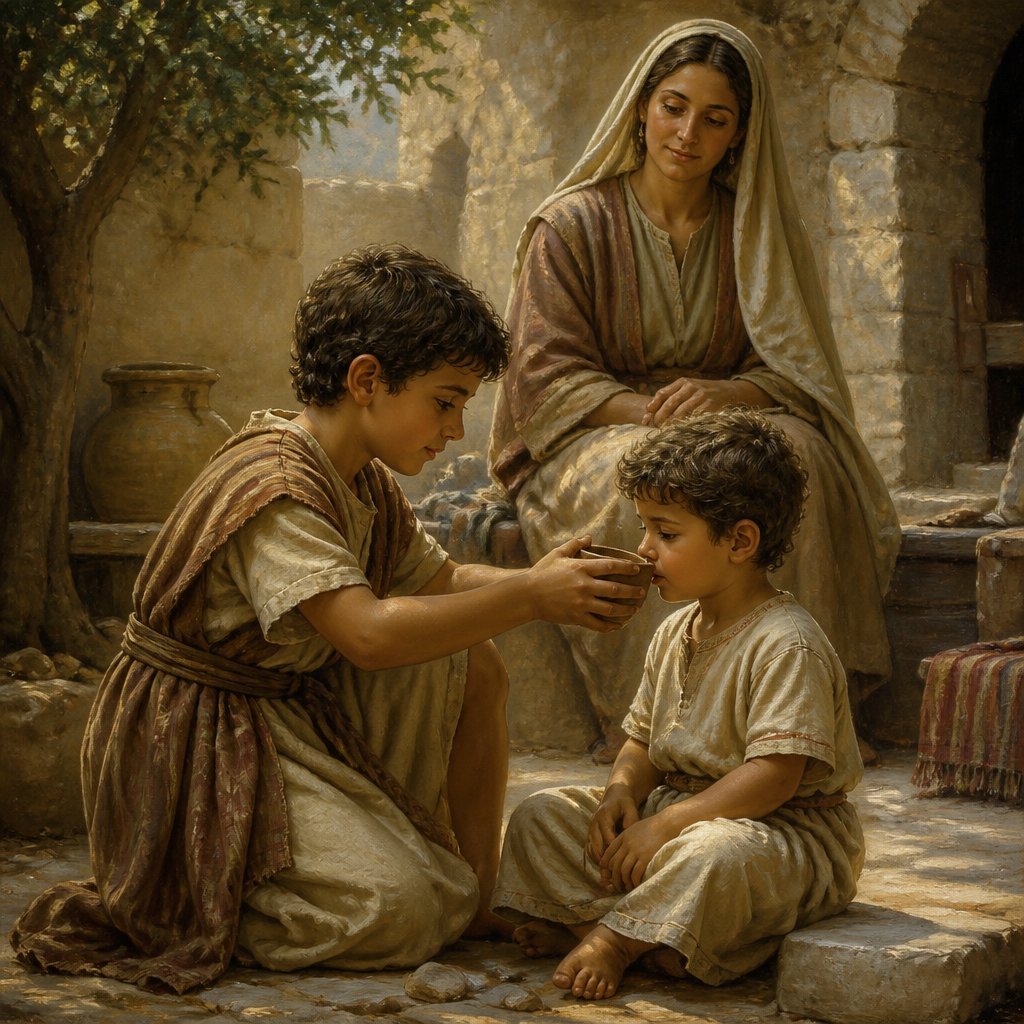
**Devotional Reflection on Romans 9:12**
*“It was said unto her, The elder shall serve the younger.”* (Romans 9:12 KJV)
The Apostle Paul, in the book of Romans, presents a powerful and profound theological discourse about God’s sovereignty and His divine selection. In Romans 9:12, we encounter a seemingly paradoxical statement delivered to Rebecca concerning her twin sons, Esau and Jacob. This pronouncement disrupts the cultural expectation of primogeniture, where traditionally the elder son would inherit the primary blessings and responsibilities of the family. Instead, God declares that it would be the younger son, Jacob, who would rise to prominence over his older brother.
At its core, this verse challenges our understanding of fairness, justice, and divine order. Before they were born, even before they had made any choices or behaved in any manner that could define their character, God made a sovereign decision about their destinies. This decision raises profound questions about human effort, grace, and the mysterious workings of God's purpose.
### The Larger Context
To fully grasp the significance of Romans 9:12, we must examine the broader context of Paul’s letter to the Romans. He is dealing with the issue of Israel's unfaithfulness and God’s fidelity to His promises. Paul laments over Israel’s rejection of Christ and contrasts it with God's faithfulness to those He has chosen. The reference to Rebecca’s sons is not merely a historical account; it serves as an illustration of the principle that God’s plans often overturn human conventions and expectations.
In Genesis 25:23, God tells Rebecca about her twins, saying, *“The elder shall serve the younger.”* This prophetic statement signifies that the blessings of Abraham, which were supposed to pass through Esau, would indeed flow through Jacob instead. From the very beginning, God had a purpose that defied human logic. We must remember that God’s choices are often incomprehensible yet ultimately redemptive.
### God’s Sovereignty vs. Human Conventions
In this passage, we see a clear depiction of God’s divine sovereignty—God’s ability and right to choose whom He wills. In a world that craves equality and fairness, God’s decision can seem radical and, at times, unjust. How can the elder brother, who seems to have all the right credentials, be put in a position of servitude? This leads us to reflect on our own lives and the ways we might struggle with God’s decisions. Do we trust that God knows what is best, even when we feel overlooked or when His choices bewilder us?
God’s choice of Jacob over Esau illuminates a key theme throughout Scripture: grace and mercy are not based on merit but on God’s sovereign purpose. In God's eyes, being first in line does not guarantee His favor. This challenges our tendency to think that our status, lineage, or abilities earn us God’s blessings. God’s grace is often given to those whom the world deems least likely to receive it.
### A Call to Humility
Therefore, Romans 9:12 calls us to a place of humility and reflection. We are reminded that our position in God’s kingdom is not about our firstborn status or our achievements but about His divine choice. Just as Jacob, who was the younger son, was chosen, we too may find ourselves chosen in ways we never anticipated.
Let us take a moment to examine our hearts. Are we holding onto notions of entitlement or merit in our spiritual walk? Are we looking at others through the lens of social standings, talents, or appearances? God invites us to lay down these misconceptions, embracing the humility that recognizes His sovereignty and grace.
### Conclusion
In conclusion, Romans 9:12 invites us to marvel at God’s mysterious ways, where the last become first and the weak are made strong. As we journey through our faith, may we learn to trust in His purpose, acknowledge His choices, and be thankful for the grace that has reached us despite our unworthiness. It is a divine paradox that the elder shall serve the younger, yet it reflects the heart of the Gospel—God's astounding love for humanity in choosing the least likely to carry forward His plans.
Get our apps


Artwork for Romans 9:12

Romans 9:12 - "It was said unto her, The elder shall serve the younger."
"It was said unto her, The elder shall serve the younger." - Romans 9:12

Romans 12:9 - "Let love be without dissimulation. Abhor that which is evil; cleave to that which is good."

Romans 12:9 KJV (9) Let love be without dissimulation. Abhor that which is evil; cleave to that which is good.

Romans 12:9-10 - "Love must be sincere. Hate what is evil; cling to what is good. Be devoted to one another in love. Honor one another above yourselves."
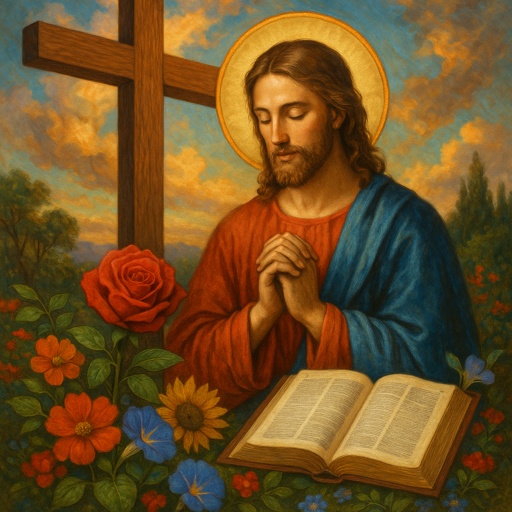
"Let love be without dissimulation. Abhor that which is evil; cleave to that which is good." - Romans 12:9

"Love must be sincere. Hate what is evil; cling to what is good. Be devoted to one another in love. Honor one another above yourselves." - Romans 12:9-10

"Let love be without dissimulation. Abhor that which is evil; cleave to that which is good." - Romans 12:9
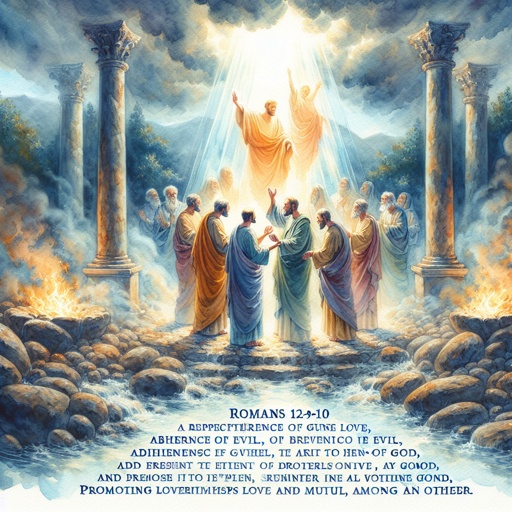
Romans 12:9-10 (KJV) 9 Let love be without dissimulation. Abhor that which is evil; cleave to that which is good. 10 Be kindly affectioned one to another with brotherly love; in honour preferring one another;

Romans 12:2

Romans 12:2

Romans 12:2

Romans 12:2

Romans 12:2

Romans 12:2

Romans 12:2

Romans 12:2

Romans 12:2

Romans 12:2

Romans 12:2

Romans 12:2

Romans 12:2

Romans 12:2

Romans 12:2

Romans 12:9-11 - "Love must be sincere. Hate what is evil; cling to what is good. Be devoted to one another in love. Honor one another above yourselves. Never be lacking in zeal, but keep your spiritual fervor, serving the Lord."

Romans 14:12

Romans 12:2

Romans 12:2

Romans 12:1

Romans 12:12 - "Rejoicing in hope; patient in tribulation; continuing instant in prayer;"