The True Children of Promise: Understanding Our Identity in Christ
“Neither, because they are the seed of Abraham, are they all children: but, In Isaac shall thy seed be called.” — Romans 9:7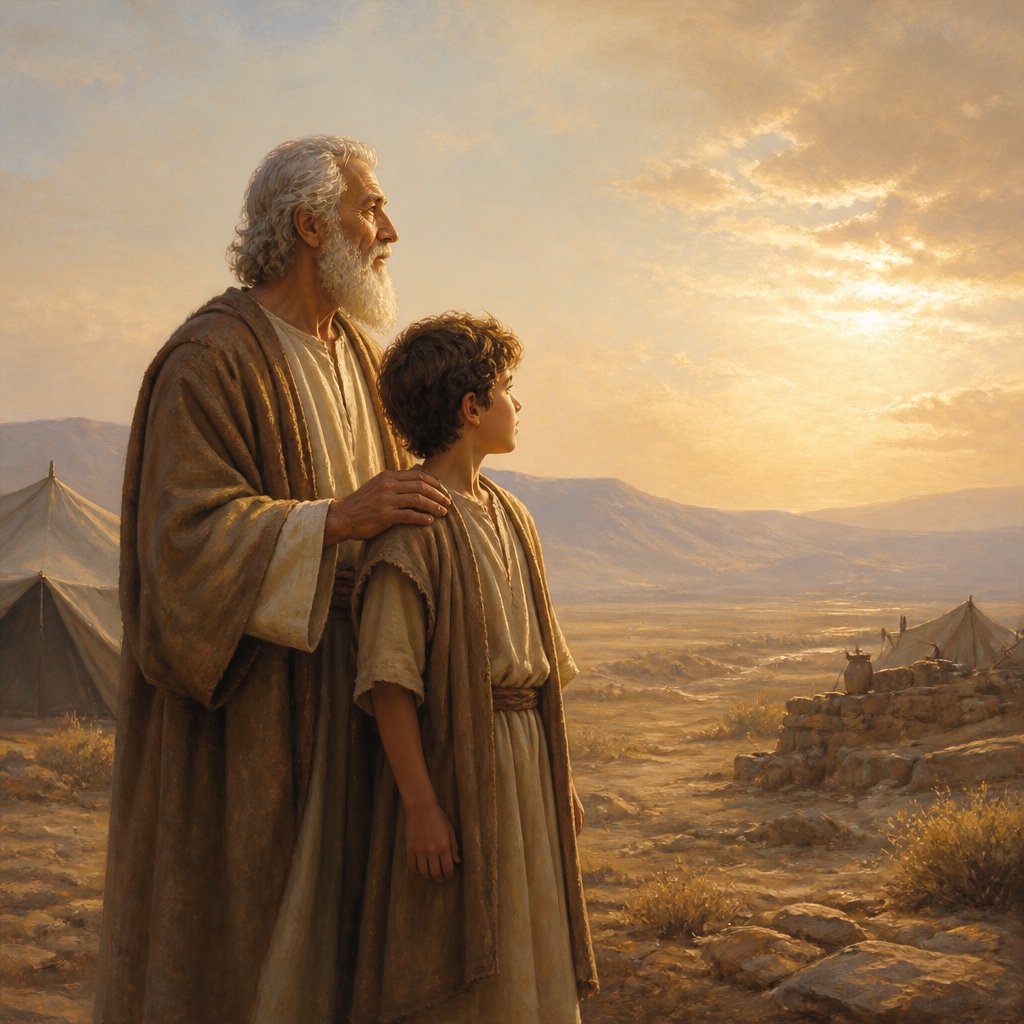
In Romans 9:7, we read: “Neither, because they are the seed of Abraham, are they all children: but, In Isaac shall thy seed be called.” This profound verse, nestled in the rich tapestry of Paul’s epistle to the Romans, highlights a critical aspect of our faith—the distinction between physical lineage and spiritual inheritance. As we meditate on this Scripture, we are invited to examine our identity in Christ and the profound implications of being a child of God.
To understand the depth of Paul's message, we must first acknowledge the historical and theological context of his audience. Many Jews believed that their physical descent from Abraham granted them automatic favor with God—a VIP pass to divine blessing and covenant promises. However, Paul disrupts this notion by declaring that merely being a biological descendant does not equate to being a true heir of the promises God made to Abraham. Instead, he asserts that true sons of God are those who share in the faith and promise exemplified in Isaac, Abraham's son of promise.
Isaac was not the firstborn of Abraham; that title belonged to Ishmael, the son of Hagar, Abraham’s concubine. However, God’s promise to Abraham was specifically to Isaac, born of Sarah—the wife of Abraham. This moment in Scripture serves as a reminder that God’s selection is often counter to human expectations. God’s choice of Isaac establishes a divine pattern: it is not through works or rights but through faith and obedience that one receives the promised inheritance. In this light, our standing before God isn’t determined merely by our heritage, but by our faith in Christ.
This theme resonates deeply within the New Testament. Galatians 3:29 states, "And if ye be Christ's, then are ye Abraham's seed, and heirs according to the promise." This promise is inclusive, inviting all believers—Jew and Gentile alike—into the family of God. We are reborn into a new identity that transcends bloodlines; we find ourselves woven into the family of faith through belief in Jesus Christ. No longer defined by our human lineage, we now carry the mark of Christ, our Savior.
Furthermore, this truth disabuses us of any preconceived notions of entitlement in our walk with God. We may be tempted to feel undeserving or disconnected based on our past, or we may recognize places where we have felt superior based on our own spiritual backgrounds or traditions. However, at the foot of the cross, we are all equal. Every believer—regardless of past mistakes or upbringing—has access to God’s grace and love through faith in Jesus Christ.
The message of Romans 9:7 implores us to look beyond mere traditions and familial ties and to cherish the relationship we are invited into. Are we living like accepted children of God? Do we embrace this identity with responsibility and grace? Our call is not to hoard this inheritance but to extend it to others, sharing the love and promise of God through our actions and words.
It is critical for us to remember that God’s promises are not limited to a select few; His desire is for everyone to come into this relationship of faith. In everything we do, we can reflect upon being part of a great story—a fulfillment of God’s promises instilled in the line of faith through Jesus Christ.
Let us, therefore, rejoice in our identity as children of God. Let us offer thanks for the faith that unites us with Abraham’s lineage through Isaac, rooted in truth and promise. Let us step forth in the light of His grace, living as children of the Promise, which is ours through faith in Christ. Amen.
Get our apps


Artwork for Romans 9:7

Romans 9:7 - "Neither, because they are the seed of Abraham, are they all children: but, In Isaac shall thy seed be called."
"Neither, because they are the seed of Abraham, are they all children: but, In Isaac shall thy seed be called." - Romans 9:7

Romans 7:9 - "For I was alive without the law once: but when the commandment came, sin revived, and I died."
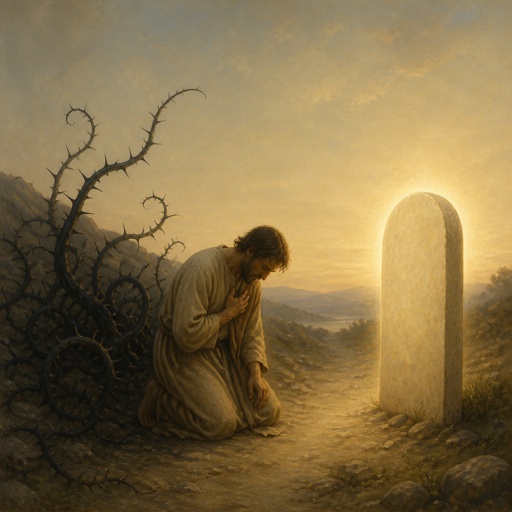
"For I was alive without the law once: but when the commandment came, sin revived, and I died." - Romans 7:9

Romans 10:9

Romans 10:9

Romans 7:19

Romans 7:12

Romans 9:9 - "For this is the word of promise, At this time will I come, and Sara shall have a son."

Romans 6:7 - "For he that is dead is freed from sin."

Romans 9:12 - "It was said unto her, The elder shall serve the younger."

Romans 9:14 - "What shall we say then? Is there unrighteousness with God? God forbid."

Romans 7:12 - "Wherefore the law is holy, and the commandment holy, and just, and good."

Romans 14:7 - "For none of us liveth to himself, and no man dieth to himself."

Romans 7:17 - "Now then it is no more I that do it, but sin that dwelleth in me."

Romans 7:22 - "For I delight in the law of God after the inward man:"

Romans 16:9 - "Salute Urbane, our helper in Christ, and Stachys my beloved."

Romans 9:2 - "That I have great heaviness and continual sorrow in my heart."

Romans 9:8 - "That is, They which are the children of the flesh, these are not the children of God: but the children of the promise are counted for the seed."

Romans 7:10 - "And the commandment, which was ordained to life, I found to be unto death."

Romans 4:7 - "Saying, Blessed are they whose iniquities are forgiven, and whose sins are covered."

Romans 7:11 - "For sin, taking occasion by the commandment, deceived me, and by it slew me."

Romans 9:32 - "Wherefore? Because they sought it not by faith, but as it were by the works of the law. For they stumbled at that stumblingstone;"

Romans 9:13 - "As it is written, Jacob have I loved, but Esau have I hated."

Romans 9:16 - "So then it is not of him that willeth, nor of him that runneth, but of God that sheweth mercy."

Romans 12:7 - "Or ministry, let us wait on our ministering: or he that teacheth, on teaching;"

Romans 12:9 - "Let love be without dissimulation. Abhor that which is evil; cleave to that which is good."

Romans 9:31 - "But Israel, which followed after the law of righteousness, hath not attained to the law of righteousness."

Romans 9:24 - "Even us, whom he hath called, not of the Jews only, but also of the Gentiles?"

Romans 9:6 - "Not as though the word of God hath taken none effect. For they are not all Israel, which are of Israel:"