Embracing Hope Amidst Hardship: A Journey of Faith in Ruth 1:4
“And they took them wives of the women of Moab; the name of the one was Orpah, and the name of the other Ruth: and they dwelled there about ten years.” — Ruth 1:4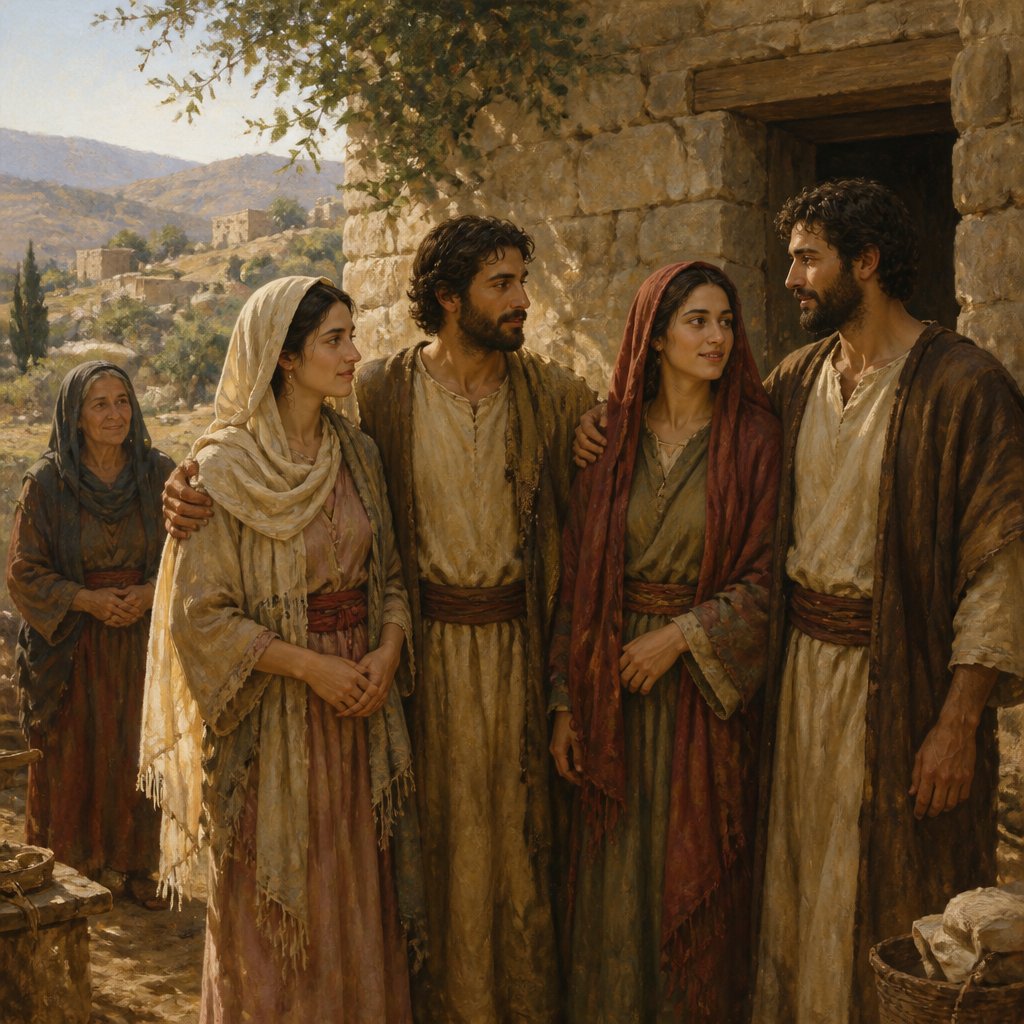
When we think about the story of Ruth, it’s essential to remember the context in which it unfolds. Ruth 1:4 reads, "And they took them wives of the women of Moab; the name of the one was Orpah, and the name of the other Ruth: and they dwelled there about ten years." This simple verse serves as a gateway into a profound narrative of loss, resilience, and divine providence.
To understand the depth of this moment, we can reflect on the life of Naomi, who had moved to Moab with her husband and two sons to escape famine in Israel. After years of hardship, Naomi loses her husband and, tragically, her two sons as well. In this early part of the book, we see a woman who embodies sorrow and loss. Yet, in the midst of her despair, we see the seeds of hope being planted—namely in the union of her sons with the Moabite women, Orpah and Ruth.
The cultural context of marriage in biblical times was significant. Marriages often symbolized more than just a union of two individuals; they represented alliances, new beginnings, and sometimes, a chance for survival. In choosing these Moabite women, Naomi’s sons did not simply seek companionship; they entered into a bond that would redefine the future of their family.
Ruth’s decision to marry into this family, despite the cultural tensions between Israelites and Moabites, speaks volumes about her character. She committed herself to a family torn by tragedy, a family that would soon find itself on the brink of devastation. In doing so, Ruth initiated a journey that would ultimately lead not only to her personal redemption but also to the broader redemption of a people.
Reflecting on the ten-year sojourn in Moab, we are reminded of the patience and faith required during periods of waiting. Those ten years are filled with uncertainty, yet within that time frame, God was already working in ways that were invisible to those who lived it. Naomi's sons married, and in doing so, their lives became intertwined with the lives of these two women. Even in their pain and of foreign land, relationships were formed that would hold significance beyond their understanding.
This passage also invites us to contemplate the decisions we make in hardship. While Naomi and her family may have found temporary refuge in Moab, living there came with its challenges, particularly for Ruth and Orpah. In a land opposing the faith of their husbands, they had to navigate their identities, faith, and cultural expectations. Their collective experience begs the question: how do we thrive in unfamiliar territory?
While Orpah ultimately chose to return to her people after the deaths of her husband and father-in-law, Ruth clung to Naomi, uttering those unforgettable words of loyalty: “Whither thou goest, I will go; and where thou lodgest, I will lodge: thy people shall be my people, and thy God my God” (Ruth 1:16). Herein lies the crux of Ruth’s character—the choice to embrace love, loyalty, and faith in the midst of loss and uncertainty.
Through Ruth's commitment to Naomi, we see an example that resonates today. How often do we face moments where we must choose between the comfort of familiarity or the risk of the unknown? God calls us to fidelity in relationships, encouraging us to step into the lives of others and to share their burdens, even when circumstances are dire.
In our own lives, we might feel like we’re dwelling in our own 'Moab', a foreign land fraught with challenges. Yet, Ruth reminds us that hope can emerge from hardship. When we seek to align ourselves with love and loyalty, we learn to trust in God’s plans, even when we cannot see the way forward.
As we reflect on Ruth 1:4, let us remember that God is actively weaving our stories, often in ways we cannot yet comprehend. Embrace the challenges of your 'Moab' and allow the divine narrative to unfold in your life, knowing that every step of faith leads us closer to the heart of God.
Get our apps


Artwork for Ruth 1:4

Ruth 1:4 - "And they took them wives of the women of Moab; the name of the one was Orpah, and the name of the other Ruth: and they dwelled there about ten years."
"And they took them wives of the women of Moab; the name of the one was Orpah, and the name of the other Ruth: and they dwelled there about ten years." - Ruth 1:4

Ruth 4:13 - "¶ So Boaz took Ruth, and she was his wife: and when he went in unto her, the LORD gave her conception, and she bare a son."

Ruth 4:18 - "¶ Now these are the generations of Pharez: Pharez begat Hezron,"

Ruth 4:20 - "And Amminadab begat Nahshon, and Nahshon begat Salmon,"

Ruth 4:21 - "And Salmon begat Boaz, and Boaz begat Obed,"

Ruth 4:19 - "And Hezron begat Ram, and Ram begat Amminadab,"

Ruth 4:22 - "And Obed begat Jesse, and Jesse begat David."

Ruth 1:14 - "And they lifted up their voice, and wept again: and Orpah kissed her mother in law; but Ruth clave unto her."

Ruth 4:5 - "Then said Boaz, What day thou buyest the field of the hand of Naomi, thou must buy it also of Ruth the Moabitess, the wife of the dead, to raise up the name of the dead upon his inheritance."

ruth, the loyal daughter

Ruth 4:16 - "And Naomi took the child, and laid it in her bosom, and became nurse unto it."

Ruth 1:22 - "So Naomi returned, and Ruth the Moabitess, her daughter in law, with her, which returned out of the country of Moab: and they came to Beth-lehem in the beginning of barley harvest."

Ruth 4:10 - "Moreover Ruth the Moabitess, the wife of Mahlon, have I purchased to be my wife, to raise up the name of the dead upon his inheritance, that the name of the dead be not cut off from among his brethren, and from the gate of his place: ye are witnesses this day."

Ruth 4:1 - "Then went Boaz up to the gate, and sat him down there: and, behold, the kinsman of whom Boaz spake came by; unto whom he said, Ho, such a one! turn aside, sit down here. And he turned aside, and sat down."

Ruth 4:2 - "And he took ten men of the elders of the city, and said, Sit ye down here. And they sat down."

Ruth 4:8 - "Therefore the kinsman said unto Boaz, Buy it for thee. So he drew off his shoe."
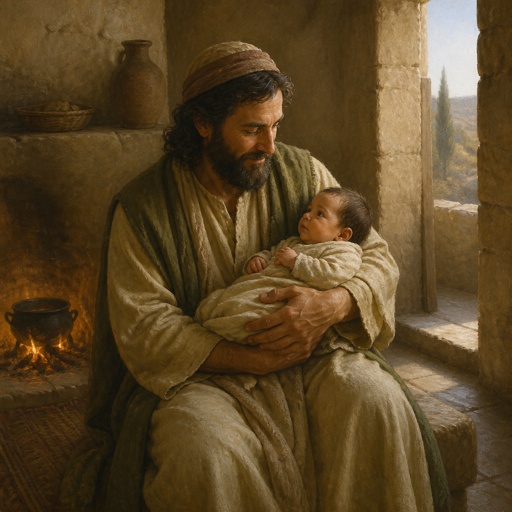
"¶ Now these are the generations of Pharez: Pharez begat Hezron," - Ruth 4:18
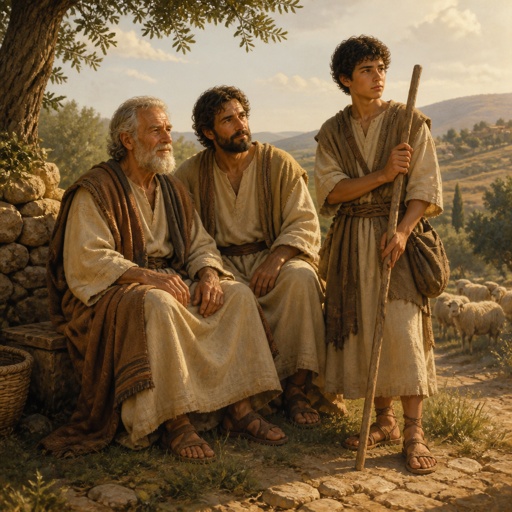
"And Obed begat Jesse, and Jesse begat David." - Ruth 4:22
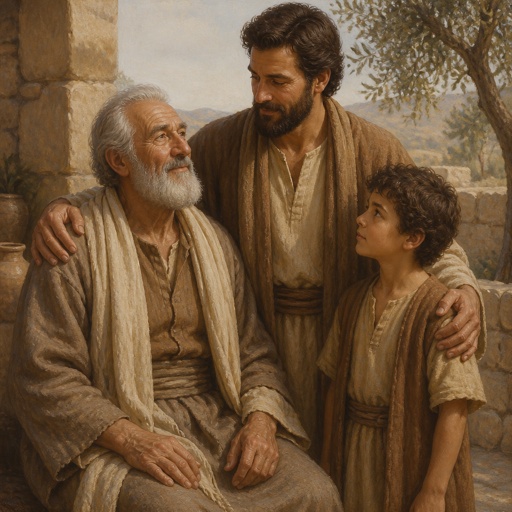
"And Hezron begat Ram, and Ram begat Amminadab," - Ruth 4:19
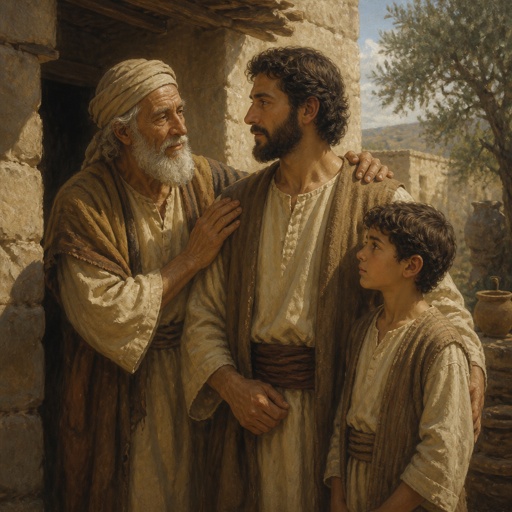
"And Amminadab begat Nahshon, and Nahshon begat Salmon," - Ruth 4:20
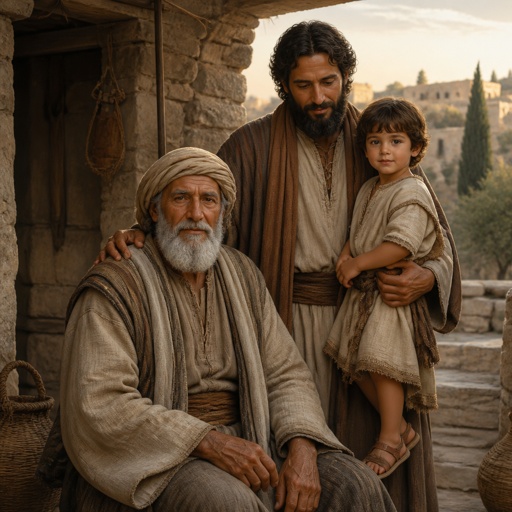
"And Salmon begat Boaz, and Boaz begat Obed," - Ruth 4:21

Ruth 2:4 - "¶ And, behold, Boaz came from Beth-lehem, and said unto the reapers, The LORD be with you. And they answered him, The LORD bless thee."

Ruth 1:3 - "And Elimelech Naomi's husband died; and she was left, and her two sons."

Ruth 4:3 - "And he said unto the kinsman, Naomi, that is come again out of the country of Moab, selleth a parcel of land, which was our brother Elimelech's:"

Ruth 1:16 - "And Ruth said, Intreat me not to leave thee, or to return from following after thee: for whither thou goest, I will go; and where thou lodgest, I will lodge: thy people shall be my people, and thy God my God:"

Ruth 3:1 - "Then Naomi her mother in law said unto her, My daughter, shall I not seek rest for thee, that it may be well with thee?"
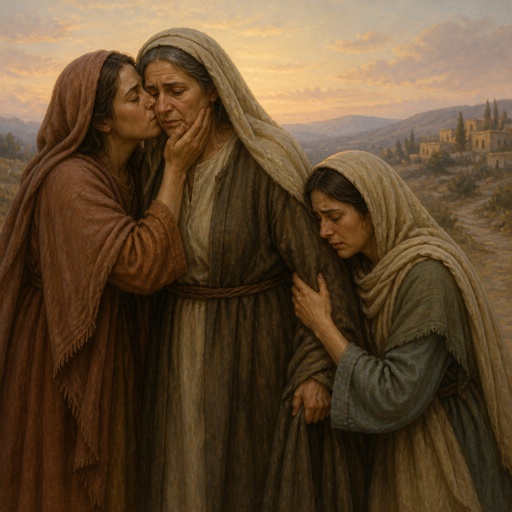
"And they lifted up their voice, and wept again: and Orpah kissed her mother in law; but Ruth clave unto her." - Ruth 1:14
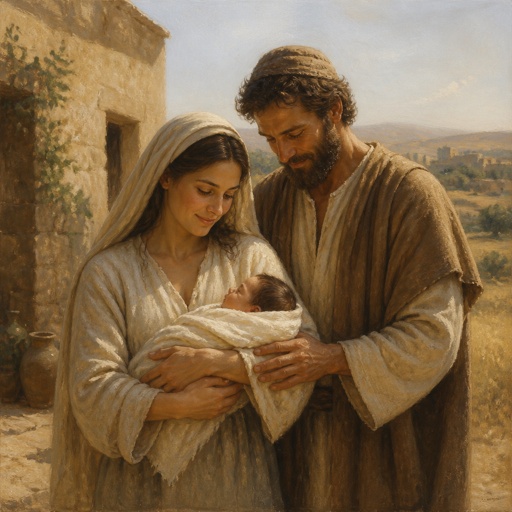
"¶ So Boaz took Ruth, and she was his wife: and when he went in unto her, the LORD gave her conception, and she bare a son." - Ruth 4:13

Ruth 1:10 - "And they said unto her, Surely we will return with thee unto thy people."