From Bitterness to Blessing: The Legacy of Obed
“And the women her neighbours gave it a name, saying, There is a son born to Naomi; and they called his name Obed: he is the father of Jesse, the father of David.” — Ruth 4:17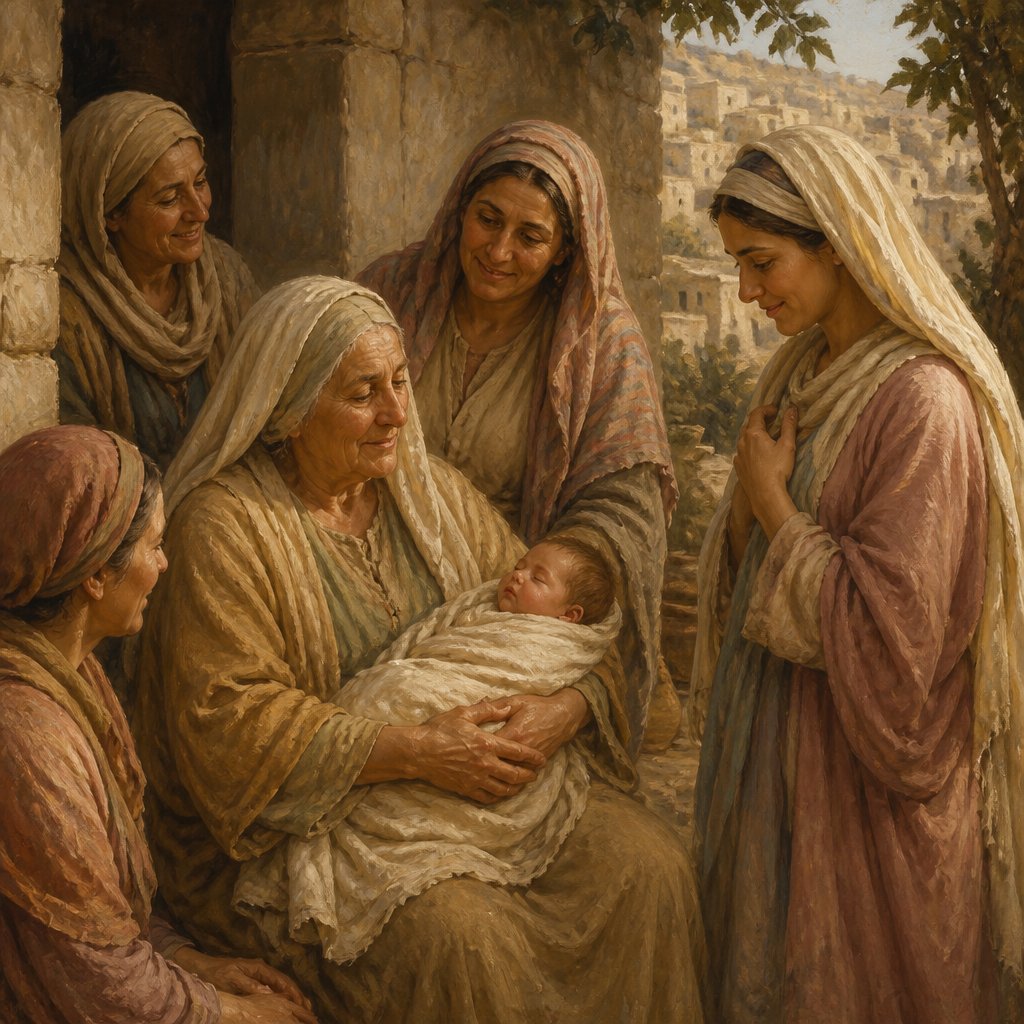
When we consider the lives of biblical figures, we often focus on their triumphs, their faith, and their unwavering courage. Yet, behind the scenes of every great biblical story is a stream of quiet faithfulness, sacrificial love, and divine providence that weaves an intricate tapestry of grace. The verse from Ruth 4:17 reads, "And the women her neighbours gave it a name, saying, There is a son born to Naomi; and they called his name Obed: he is the father of Jesse, the father of David." This singular moment encapsulates a transformation not just for a family, but for a nation and for all of mankind.
At the center of this verse is Naomi, a woman who had experienced profound loss and devastation. She arrived in Bethlehem filled with emptiness, having lost her husband and sons. She returned a bitter woman, expressing her pain to those around her in Ruth 1:20 when she said, "Call me Mara: for the Almighty hath dealt very bitterly with me." Naomi was in a place where despair could have easily consumed her, yet through her daughter-in-law Ruth’s steadfast love and loyalty, Naomi's story took a redemptive turn.
The birth of Obed marked a pivotal moment, a beacon of hope emerging from Naomi’s grief. The name ‘Obed’ means ‘servant,’ a testament to the purpose that God had in his life – to serve the future, to serve God’s unfolding plan. It’s significant to reflect on how God often works through our most challenging circumstances, turning our mourning into dancing, much like He did in the life of Naomi.
The women of Bethlehem celebrated the birth of Obed, recognizing it as not just a personal joy for Naomi, but a moment of restoration for the community and for God's promise to His people. Their proclamation, "There is a son born to Naomi," echoes the redemptive work of God – He restores and gives back more than we can imagine. Where there was once bitterness, God brought forth joy and legacy. Obed became the grandfather of King David, thus making Naomi an ancestor in the line leading to Jesus Christ.
This illustrates a profound truth that our trials can lead to remarkable destinies. Each prayer uttered in a moment of pain, each act of faith in times of uncertainty, and every step taken in obedience to God can yield far-reaching impacts beyond our comprehension. Naomi’s story challenges us to look past our present circumstances and trust in God’s overarching plan.
As we dive deeper, we see that this joy stemmed from a mix of divine providence and human action. Ruth's decision to remain with Naomi instead of returning to her people led to their meeting with Boaz, a kinsman-redeemer. It is a reminder of how God often uses others to fulfill our redemption stories. The women recognized the importance of communal joy in this moment. They rejoiced together, demonstrating how God invites us into fellowship with one another, especially when we witness His work in our lives.
So, how do we embrace our own Obed moments in life? First, we must acknowledge our pain and bitterness, much like Naomi did. Then, we can remain open to the movement of God in our lives, trusting that even in our darkest hours, there is hope, purpose, and fulfillment in Christ. Let us speak to ourselves and to others the truth of God’s redemptive power. Let us celebrate, yearn for community, and lift each other in times of grief.
Finally, when we reflect on Ruth 4:17, may we remember that our stories are woven into God’s grand narrative, filled with both challenges and victories. Much like the women of Bethlehem rejoiced over Obed, let our lives give birth to new chapters of hope and testimony that point to the greatness of God’s redemptive work.
Get our apps


Artwork for Ruth 4:17

Ruth 4:17 - "And the women her neighbours gave it a name, saying, There is a son born to Naomi; and they called his name Obed: he is the father of Jesse, the father of David."
"And the women her neighbours gave it a name, saying, There is a son born to Naomi; and they called his name Obed: he is the father of Jesse, the father of David." - Ruth 4:17

Ruth 1:4 - "And they took them wives of the women of Moab; the name of the one was Orpah, and the name of the other Ruth: and they dwelled there about ten years."

Ruth 4:13 - "¶ So Boaz took Ruth, and she was his wife: and when he went in unto her, the LORD gave her conception, and she bare a son."

Ruth 4:19 - "And Hezron begat Ram, and Ram begat Amminadab,"

Ruth 4:22 - "And Obed begat Jesse, and Jesse begat David."

Ruth 4:18 - "¶ Now these are the generations of Pharez: Pharez begat Hezron,"

Ruth 4:20 - "And Amminadab begat Nahshon, and Nahshon begat Salmon,"

Ruth 4:21 - "And Salmon begat Boaz, and Boaz begat Obed,"

Ruth 4:5 - "Then said Boaz, What day thou buyest the field of the hand of Naomi, thou must buy it also of Ruth the Moabitess, the wife of the dead, to raise up the name of the dead upon his inheritance."

Ruth 4:16 - "And Naomi took the child, and laid it in her bosom, and became nurse unto it."

Ruth 2:17 - "So she gleaned in the field until even, and beat out that she had gleaned: and it was about an ephah of barley."

Ruth 3:17 - "And she said, These six measures of barley gave he me; for he said to me, Go not empty unto thy mother in law."

Ruth 4:10 - "Moreover Ruth the Moabitess, the wife of Mahlon, have I purchased to be my wife, to raise up the name of the dead upon his inheritance, that the name of the dead be not cut off from among his brethren, and from the gate of his place: ye are witnesses this day."

Ruth 1:17 - "Where thou diest, will I die, and there will I be buried: the LORD do so to me, and more also, if ought but death part thee and me."
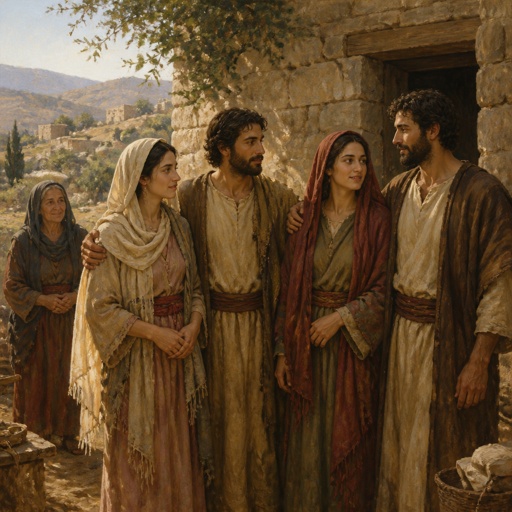
"And they took them wives of the women of Moab; the name of the one was Orpah, and the name of the other Ruth: and they dwelled there about ten years." - Ruth 1:4

Ruth 4:2 - "And he took ten men of the elders of the city, and said, Sit ye down here. And they sat down."

Ruth 4:8 - "Therefore the kinsman said unto Boaz, Buy it for thee. So he drew off his shoe."
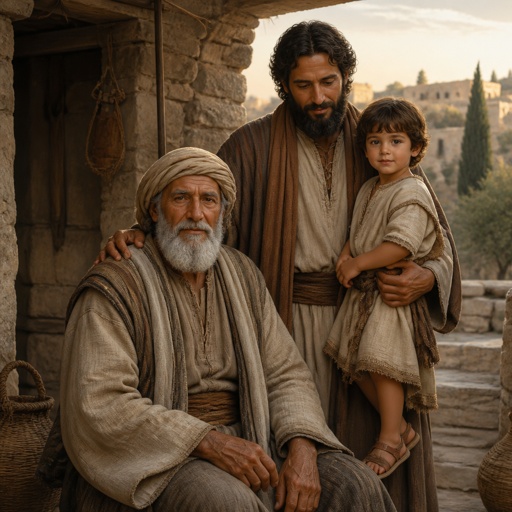
"And Salmon begat Boaz, and Boaz begat Obed," - Ruth 4:21
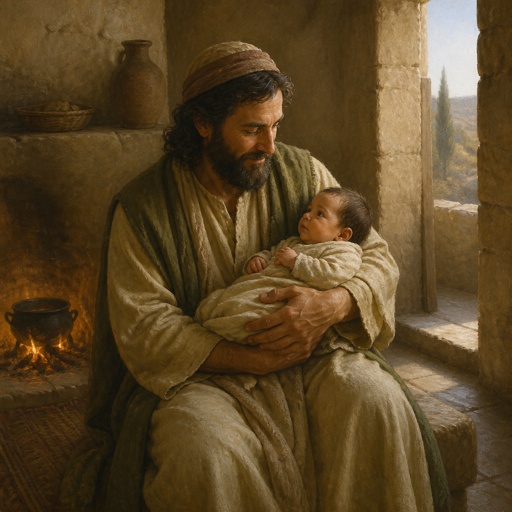
"¶ Now these are the generations of Pharez: Pharez begat Hezron," - Ruth 4:18
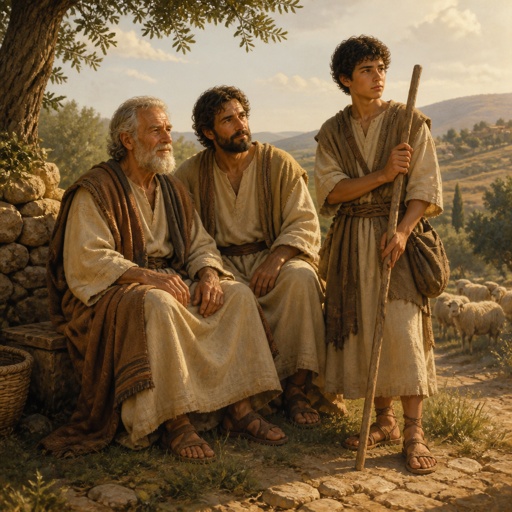
"And Obed begat Jesse, and Jesse begat David." - Ruth 4:22
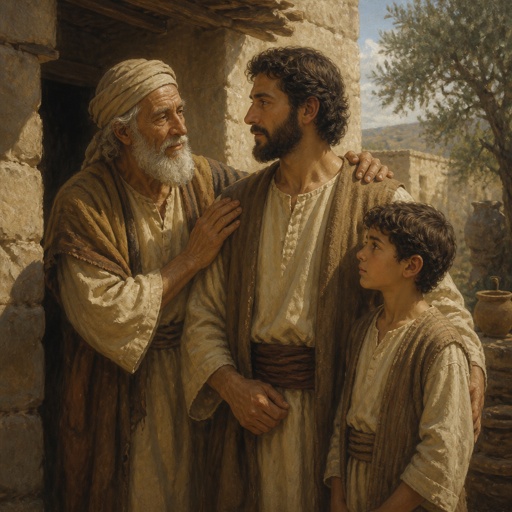
"And Amminadab begat Nahshon, and Nahshon begat Salmon," - Ruth 4:20
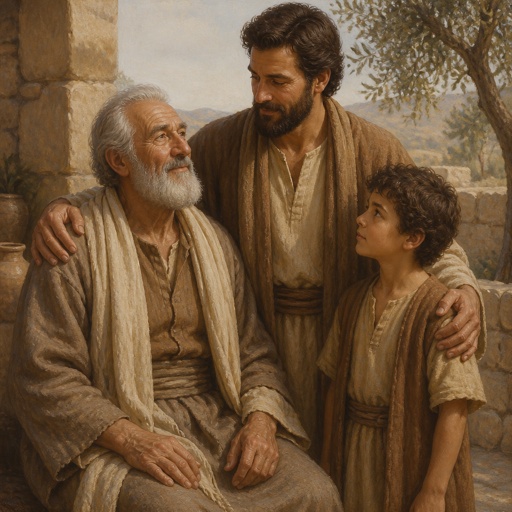
"And Hezron begat Ram, and Ram begat Amminadab," - Ruth 4:19

Ruth 2:4 - "¶ And, behold, Boaz came from Beth-lehem, and said unto the reapers, The LORD be with you. And they answered him, The LORD bless thee."

Ruth 1:16-17 - "But Ruth replied, "Don't urge me to leave you or to turn back from you. Where you go I will go, and where you stay I will stay. Your people will be my people and your God my God. Where you die I will die, and there I will be buried. May the LORD deal with me, be it ever so severely, if even death separates you and me.""

Ruth 4:3 - "And he said unto the kinsman, Naomi, that is come again out of the country of Moab, selleth a parcel of land, which was our brother Elimelech's:"
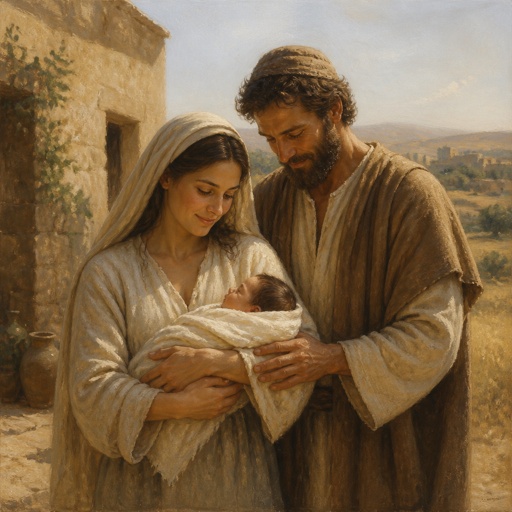
"¶ So Boaz took Ruth, and she was his wife: and when he went in unto her, the LORD gave her conception, and she bare a son." - Ruth 4:13

Ruth 4:14 - "And the women said unto Naomi, Blessed be the LORD, which hath not left thee this day without a kinsman, that his name may be famous in Israel."

Ruth 4:4 - "And I thought to advertise thee, saying, Buy it before the inhabitants, and before the elders of my people. If thou wilt redeem it, redeem it: but if thou wilt not redeem it, then tell me, that I may know: for there is none to redeem it beside thee; and I am after thee. And he said, I will redeem it."

Ruth 4:12 - "And let thy house be like the house of Pharez, whom Tamar bare unto Judah, of the seed which the LORD shall give thee of this young woman."