From Shadows to Light: A Journey of Love and Faith
“Until the day break, and the shadows flee away, I will get me to the mountain of myrrh, and to the hill of frankincense.” — Song of Solomon 4:6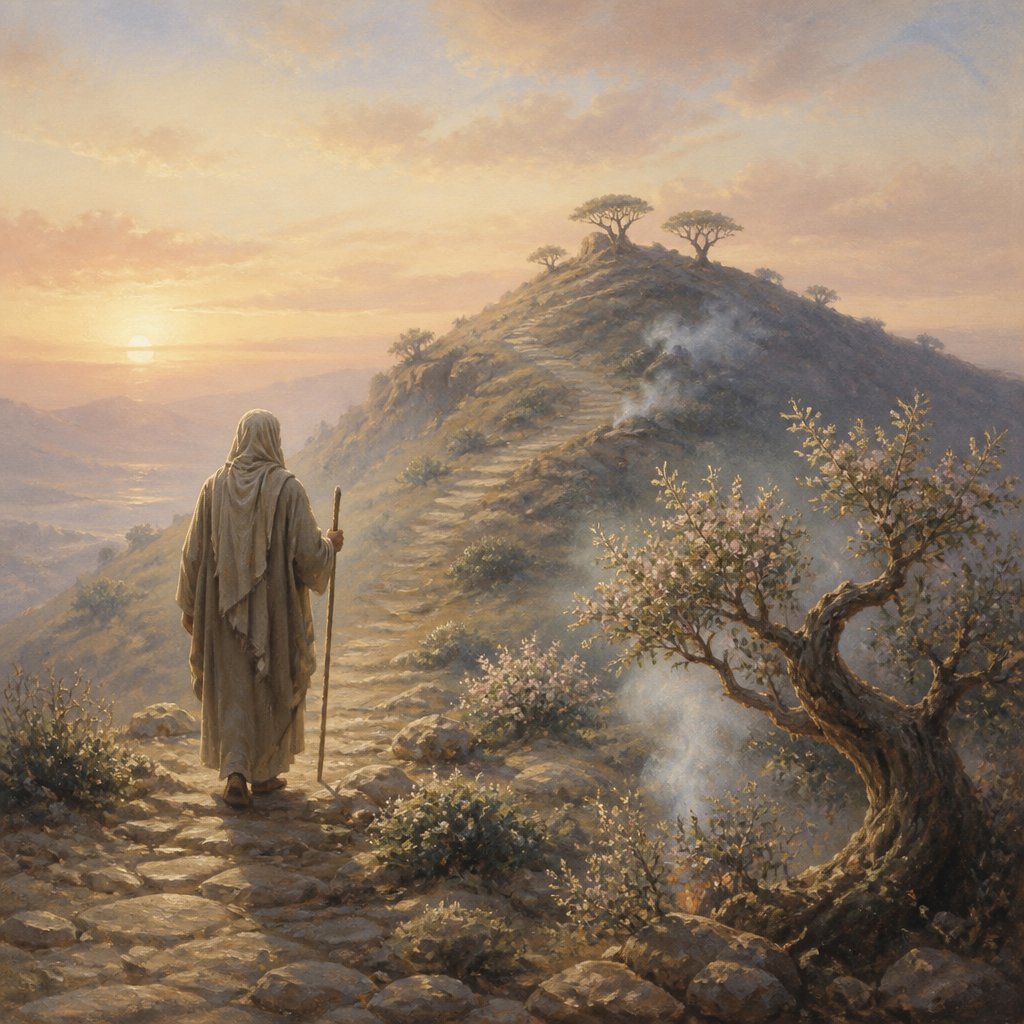
Song of Solomon 4:6 states, "Until the day break, and the shadows flee away, I will get me to the mountain of myrrh, and to the hill of frankincense." This verse encapsulates the hope and longing found in the relationship between the beloved and the lover, reflecting a deeper spiritual truth in our walk with God.
In this poetic metaphor, the day represents a new beginning, a dawn filled with the promise and presence of God. The shadows evoke the trials, fears, and uncertainties we face in life - those dark moments when we feel lost and alone. Yet here, we find a beautiful commitment in the phrase, "I will get me to the mountain of myrrh, and to the hill of frankincense," which speaks to our willingness to seek out the sacred amid adversity.
The imagery of mountains and hills in Scripture often signifies a place of refuge and divine encounter. Myrrh and frankincense were precious substances in the ancient Near East, used for anointing, healing, and worship. They symbolize the treasures of relationship and devotion—wherever the beloved chooses to go, it is to a place of sacred significance. Let us consider the profound implications of seeking Him in our lives.
### 1. **Seeking God’s Presence**
Just as the beloved seeks the mountains of myrrh and frankincense, we are urged to seek God’s presence even in our darkest times. The shadows cannot last indefinitely; they are temporary and will eventually flee as the dawn breaks. In our moments of despair, turning to the Lord in prayer, worship, and meditation can lift us above the shadows. The very act of seeking heightens our spirit and prepares our hearts to receive what He has for us.
When we prioritize a relationship with God above our challenges, we find ourselves drawn to His sacred places—those moments of peace that envelop us when we surrender our worries to Him. Just as myrrh and frankincense invoke a sense of reverence, so too does our communion with God fill our souls with a profound tranquility that transcends our circumstances.
### 2. **Transformation and Renewal**
The imagery of daybreak signals transformation. As we walk through life clutching our burdens, these burdens often lead us to feel as if we are stationary in the shadows. However, approaching the mountains of myrrh and frankincense indicates a movement toward renewal. Each prayer, each quiet moment of hearing God’s voice, invites the light of day to break into our hearts.
Through faith, we are transformed. The myrrh—a symbol of healing, reminds us that healing is possible, even when we feel broken. The frankincense, often associated with worship, invites us to lay down our worries and worship God through our trials. Just as the shadows retreat before the brilliance of dawn, the darkness of our fears gives way to the light of hope and healing.
### 3. **The Promise of Restoration**
Finally, the verse closes with a reminder that we do not journey alone. Though the beloved expresses a personal resolve, the action of moving towards the mountains signals a quest for restoration. This leads us to realize that in our own spiritual journeys, we may encounter seasons of longing and waiting, much like the beloved’s commitment to seek the mountains until the day breaks.
Jesus promises us in John 8:12, "I am the light of the world: he that followeth me shall not walk in darkness, but shall have the light of life." As we step forward seeking Him as the beloved does, we discover both a guide and a light that banishes the shadows we face.
### Conclusion
As we reflect on this profound verse, we are invited to actively seek the Lord amid the challenges we face, confident that dawn will break and shadows will flee. Let us commit ourselves to the mountains of myrrh and the hills of frankincense, knowing that in those sacred moments, we experience the fullness of His love, hope, and healing.
Get our apps


Artwork for Song of Solomon 4:6

Song of Solomon 4:6 - "Until the day break, and the shadows flee away, I will get me to the mountain of myrrh, and to the hill of frankincense."
"Until the day break, and the shadows flee away, I will get me to the mountain of myrrh, and to the hill of frankincense." - Song of Solomon 4:6

Song of Solomon 6:4 - "¶ Thou art beautiful, O my love, as Tirzah, comely as Jerusalem, terrible as an army with banners."

Song of Solomon 1:4

Song of Solomon 3:4

Song of Solomon 1:4

Song of Solomon 4:13 - "Thy plants are an orchard of pomegranates, with pleasant fruits; camphire, with spikenard,"
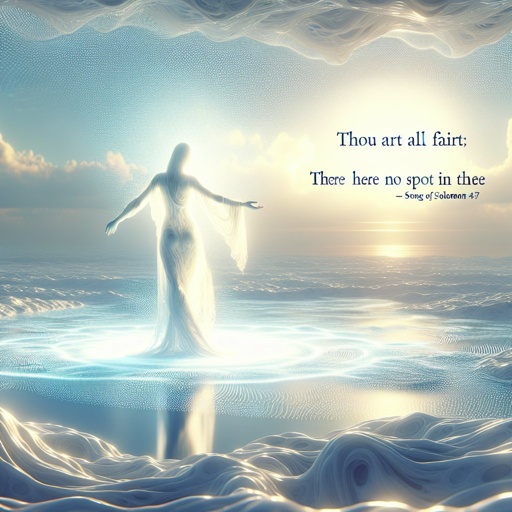
Song of Solomon 4:7 - "Thou art all fair, my love; there is no spot in thee."

Song of Solomon 4:15 - "A fountain of gardens, a well of living waters, and streams from Lebanon."

Song of Solomon 4:12 - "A garden inclosed is my sister, my spouse; a spring shut up, a fountain sealed."

Song of Solomon 4:5 - "Thy two breasts are like two young roes that are twins, which feed among the lilies."

Song of Solomon 6:8 - "There are threescore queens, and fourscore concubines, and virgins without number."

Song of Solomon 6:7 - "As a piece of a pomegranate are thy temples within thy locks."

Song of Solomon 4:14 - "Spikenard and saffron; calamus and cinnamon, with all trees of frankincense; myrrh and aloes, with all the chief spices:"
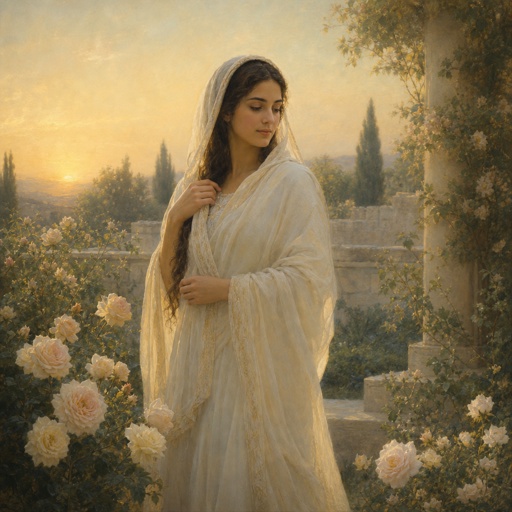
"Thou art all fair, my love; there is no spot in thee." - Song of Solomon 4:7

Song of Solomon 7:6 - "How fair and how pleasant art thou, O love, for delights!"
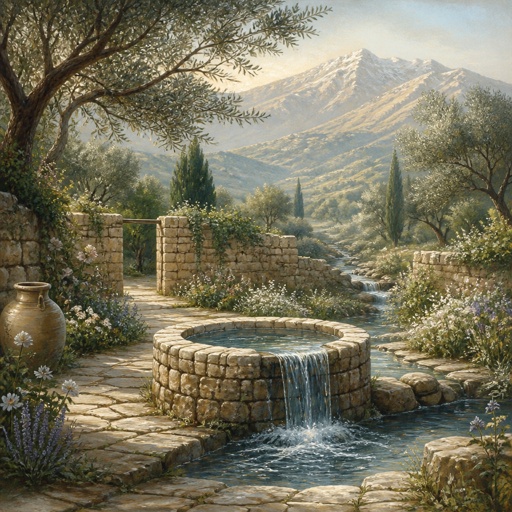
"A fountain of gardens, a well of living waters, and streams from Lebanon." - Song of Solomon 4:15

Song of Solomon 6:12 - "Or ever I was aware, my soul made me like the chariots of Amminadib."
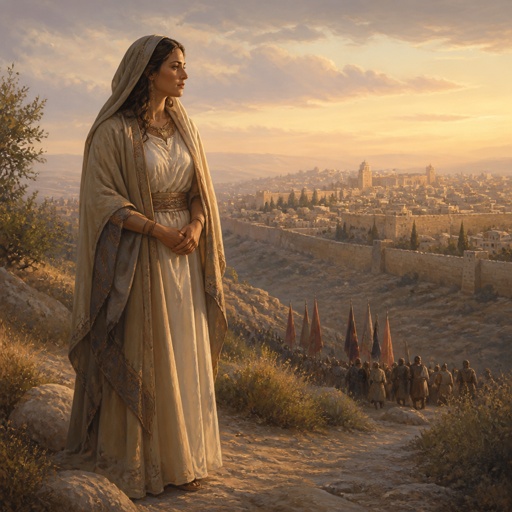
"¶ Thou art beautiful, O my love, as Tirzah, comely as Jerusalem, terrible as an army with banners." - Song of Solomon 6:4

Song of Solomon 4:3 - "Thy lips are like a thread of scarlet, and thy speech is comely: thy temples are like a piece of a pomegranate within thy locks."
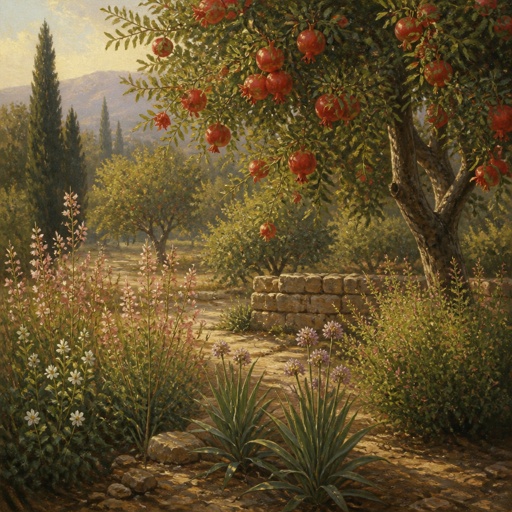
"Thy plants are an orchard of pomegranates, with pleasant fruits; camphire, with spikenard," - Song of Solomon 4:13
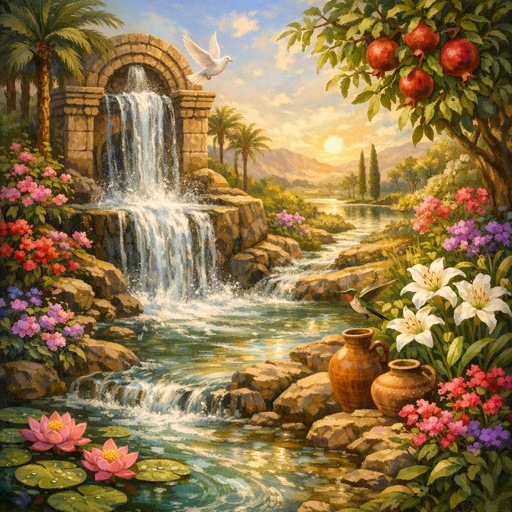
"A fountain of gardens, a well of living waters, and streams from Lebanon." - Song of Solomon 4:15

Song of Solomon 4:4 - "Thy neck is like the tower of David builded for an armoury, whereon there hang a thousand bucklers, all shields of mighty men."

Song of Solomon 4:9 - "Thou hast ravished my heart, my sister, my spouse; thou hast ravished my heart with one of thine eyes, with one chain of thy neck."

Song of Solomon 2:4 - "He brought me to the banqueting house, and his banner over me was love."

Song of Solomon 6:3 - "I am my beloved's, and my beloved is mine: he feedeth among the lilies."
!["Who [is] she [that] looketh forth as the morning, fair as the moon, clear as the sun, [and] terrible as [an army] with banners?" - Song of Solomon 6:10](https://media.bible.art/6b2ee690-5202-4c13-a4ad-2500f2f9b28c-thumbnail.jpg)
"Who [is] she [that] looketh forth as the morning, fair as the moon, clear as the sun, [and] terrible as [an army] with banners?" - Song of Solomon 6:10

Song of Solomon 1:1 - "The song of songs, which is Solomon's."

Song of Solomon 2:6 - "His left hand is under my head, and his right hand doth embrace me."

Song of Solomon 6:10 - "¶ Who is she that looketh forth as the morning, fair as the moon, clear as the sun, and terrible as an army with banners?"