The Call to Return: A Reflection on the Shulamite's Journey
“Return, return, O Shulamite; return, return, that we may look upon thee. What will ye see in the Shulamite? As it were the company of two armies.” — Song of Solomon 6:13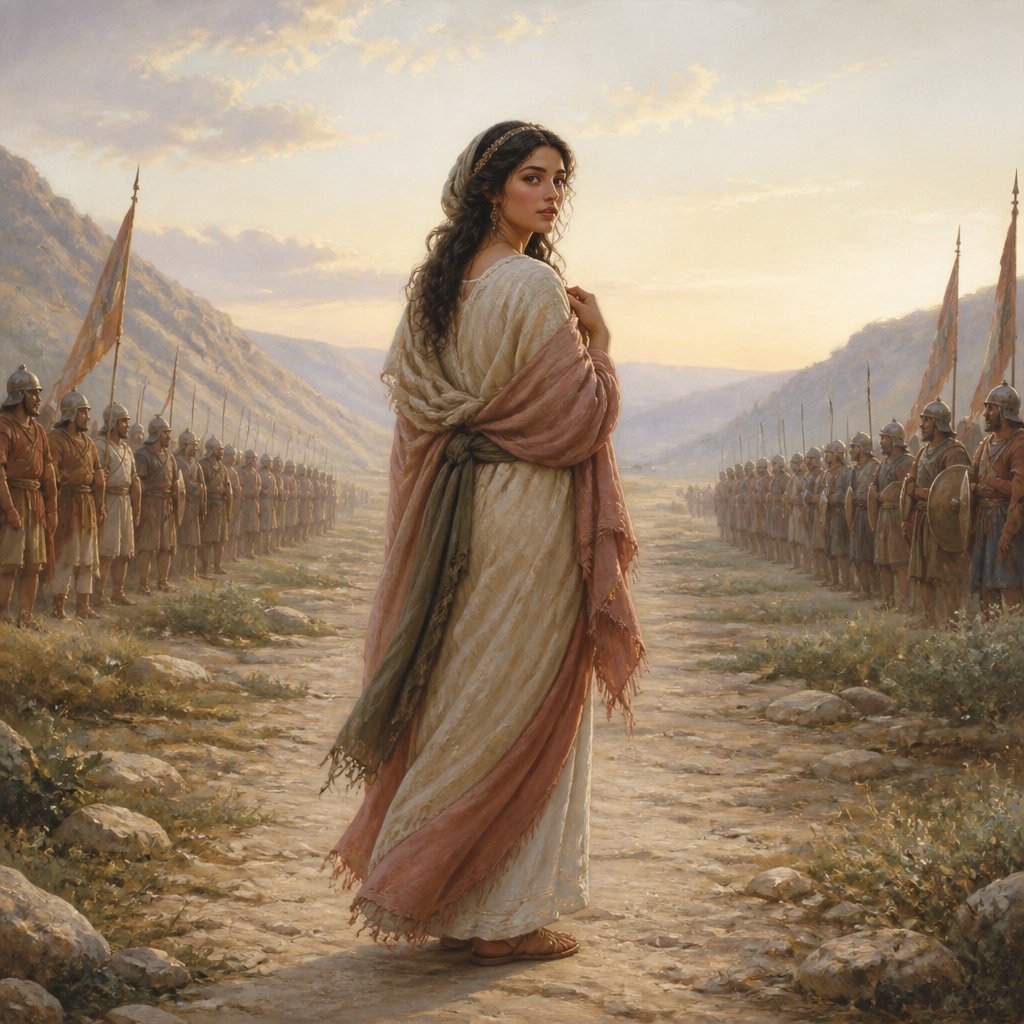
**Scriptural Foundation: Song of Solomon 6:13 (KJV)**
"Return, return, O Shulamite; return, return, that we may look upon thee. What will ye see in the Shulamite? As it were the company of two armies."
**Introduction: The Essence of Longing**
The Song of Solomon, a profound and poetic reflection on love, devotion, and the beauty inherent in relationships, provides a glimpse into the passionate dialogue between the beloved and the lover. At the heart of this love story stands the Shulamite woman — a figure representing beauty, longing, and reconciliation. In Song of Solomon 6:13, we encounter a repeated appeal to the Shulamite to return, underscoring the depth of yearning and the significance of her presence. This devotional explores the themes of return, sight, and the profound implications of our spiritual journeys.
**The Call to Return**
In this passage, the call to the Shulamite to “return” reflects the essential nature of connection and communion. It is a summons to a physical and spiritual return to one another. From a biblical perspective, returning signifies repentance, a turning back towards God and the path that leads to Him. In the context of our daily lives, how often do we stray from intimacy with God, distracted by the pressures and noise of the world around us?
Like the Shulamite, who is both an individual and a symbol of the collective humanity’s longing for God, we too experience times of wandering. The repetition of the word “return” emphasizes the urgency and heartfelt desire for reconciliation. God, like the lover in this passage, calls us back into His embrace, encouraging us to put aside our distractions and to renew our commitment to Him. Each time we return, we step into the transformative power of love and grace that God offers.
**Sight and Recognition**
The verse continues with the question, “What will ye see in the Shulamite?” This query invites reflection on the nature of perception and what it entails to truly see someone — not merely through physical eyes but through the heart. Sight, in this context, transcends the superficial; it engages with the heart's understanding of beauty and strength. The mention of “the company of two armies” sheds light on the formidable presence of the Shulamite. She is not just a beautiful maiden; she embodies strength, depth, and resilience.
To those who look upon her, she represents more than mere physical beauty — she signifies the complexity and richness of human experience, strengthened through trials and tempered by love. Similarly, when we return to God, we must be ready to see Him as He truly is, a blend of love and justice, grace and holiness. In returning, we gain perspective — we begin to see ourselves as He sees us, worthy of love and engagement in a covenant relationship.
**The Duality of Our Journeys**
As we meditate on the imagery presented in the verse, we are reminded of the duality within our own spiritual journeys. The Shulamite reflects both vulnerability and strength; she embodies the tension of human existence — the struggles we face alongside the profound love that pulls us back to health and wholeness. The idea of “two armies” symbolizes the internal conflicts we often navigate: our fears, doubts, and insecurities contrasted with our faith, hope, and love.
In returning to God, we find the courage to confront our battles. We recognize that while we may feel outnumbered at times, we carry the assurance that God fights alongside us. The beloved's plea encourages us not to shy away from our struggles but to bring them to the Lord, inviting Him into our battles.
**Conclusion: A Personal Reflection**
As you reflect on this verse, consider what it means for you personally to “return.” In what areas of your life or heart do you feel drawn to come back to God? What battles are you currently facing, and how might His love give you strength? As we engage with this scripture, let us be purposeful in our returns, longing for reconnection with the one who sees us, understands us, and loves us without condition. The Shulamite's journey is a reminder to us all that everyone's return is precious and that God delights in welcoming us back home.
Get our apps


Artwork for Song of Solomon 6:13

Song of Solomon 6:13 - "Return, return, O Shulamite; return, return, that we may look upon thee. What will ye see in the Shulamite? As it were the company of two armies."
"Return, return, O Shulamite; return, return, that we may look upon thee. What will ye see in the Shulamite? As it were the company of two armies." - Song of Solomon 6:13

Song of Solomon 6:8 - "There are threescore queens, and fourscore concubines, and virgins without number."

Song of Solomon 6:7 - "As a piece of a pomegranate are thy temples within thy locks."

Song of Solomon 6:12 - "Or ever I was aware, my soul made me like the chariots of Amminadib."

Song of Solomon 6:3 - "I am my beloved's, and my beloved is mine: he feedeth among the lilies."
!["Who [is] she [that] looketh forth as the morning, fair as the moon, clear as the sun, [and] terrible as [an army] with banners?" - Song of Solomon 6:10](https://media.bible.art/6b2ee690-5202-4c13-a4ad-2500f2f9b28c-thumbnail.jpg)
"Who [is] she [that] looketh forth as the morning, fair as the moon, clear as the sun, [and] terrible as [an army] with banners?" - Song of Solomon 6:10
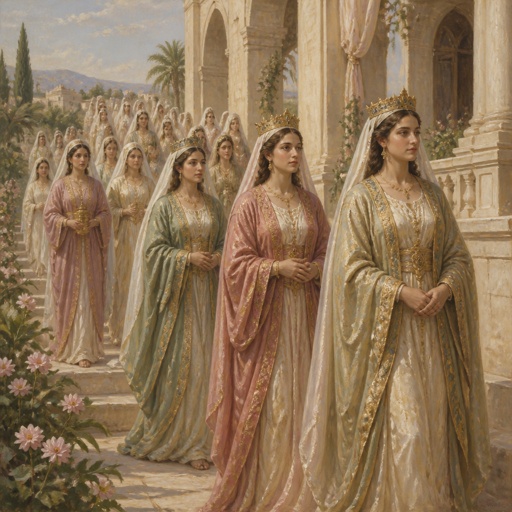
"There are threescore queens, and fourscore concubines, and virgins without number." - Song of Solomon 6:8

Song of Solomon 6:4 - "¶ Thou art beautiful, O my love, as Tirzah, comely as Jerusalem, terrible as an army with banners."
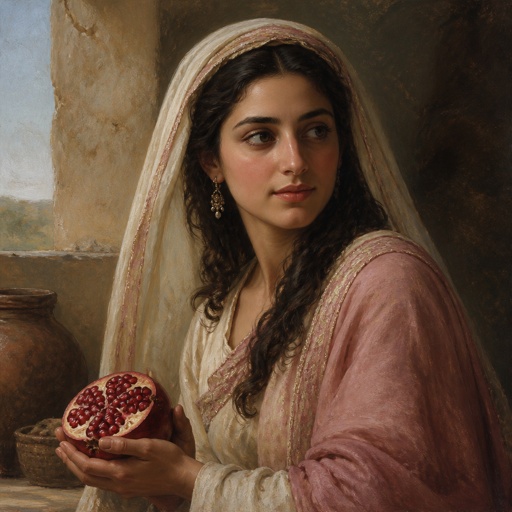
"As a piece of a pomegranate are thy temples within thy locks." - Song of Solomon 6:7

Song of Solomon 4:13 - "Thy plants are an orchard of pomegranates, with pleasant fruits; camphire, with spikenard,"

Song of Solomon 8:13 - "Thou that dwellest in the gardens, the companions hearken to thy voice: cause me to hear it."

Song of Solomon 6:5 - "Turn away thine eyes from me, for they have overcome me: thy hair is as a flock of goats that appear from Gilead."

Song of Solomon 7:6 - "How fair and how pleasant art thou, O love, for delights!"

Song of Solomon 6:10 - "¶ Who is she that looketh forth as the morning, fair as the moon, clear as the sun, and terrible as an army with banners?"

Song of Solomon 6:2 - "My beloved is gone down into his garden, to the beds of spices, to feed in the gardens, and to gather lilies."

Song of Solomon 6:1 - "Whither is thy beloved gone, O thou fairest among women? whither is thy beloved turned aside? that we may seek him with thee."

Song of Solomon 6:11 - "I went down into the garden of nuts to see the fruits of the valley, and to see whether the vine flourished, and the pomegranates budded."
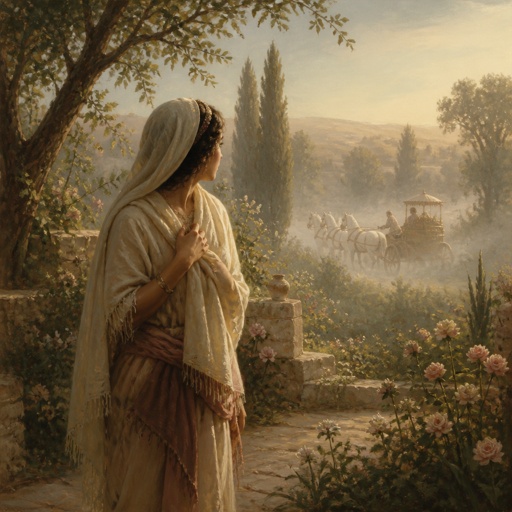
"Or ever I was aware, my soul made me like the chariots of Amminadib." - Song of Solomon 6:12

Song of Solomon 6:6 - "Thy teeth are as a flock of sheep which go up from the washing, whereof every one beareth twins, and there is not one barren among them."
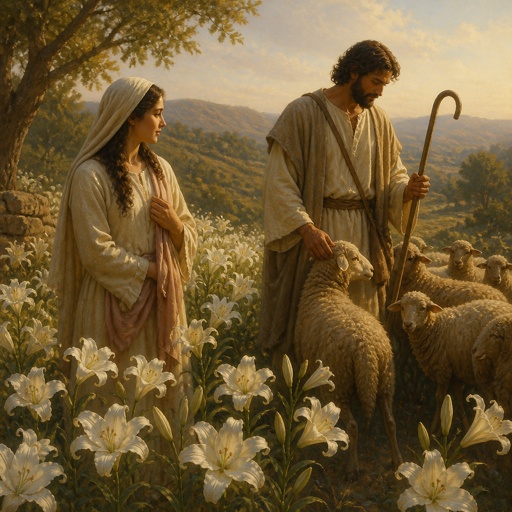
"I am my beloved's, and my beloved is mine: he feedeth among the lilies." - Song of Solomon 6:3

Song of Solomon 1:1 - "The song of songs, which is Solomon's."

Song of Solomon 2:6 - "His left hand is under my head, and his right hand doth embrace me."
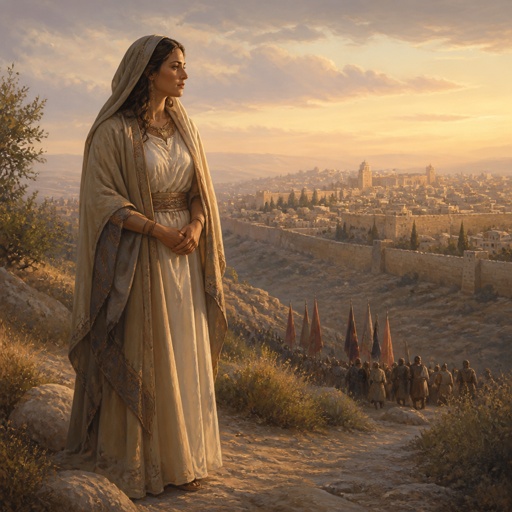
"¶ Thou art beautiful, O my love, as Tirzah, comely as Jerusalem, terrible as an army with banners." - Song of Solomon 6:4
!["Who [is] she [that] looketh forth as the morning, fair as the moon, clear as the sun, [and] terrible as [an army] with banners?" - Song of Solomon 6:10](https://media.bible.art/296e9601-26dc-4dc4-802a-4369580aa0ce-thumbnail.jpg)
"Who [is] she [that] looketh forth as the morning, fair as the moon, clear as the sun, [and] terrible as [an army] with banners?" - Song of Solomon 6:10

Song of Solomon 5:13 - "His cheeks are as a bed of spices, as sweet flowers: his lips like lilies, dropping sweet smelling myrrh."

Song of Solomon 1:13 - "A bundle of myrrh is my wellbeloved unto me; he shall lie all night betwixt my breasts."

Song of Solomon 4:6 - "Until the day break, and the shadows flee away, I will get me to the mountain of myrrh, and to the hill of frankincense."

Song of Solomon 3:6 - "¶ Who is this that cometh out of the wilderness like pillars of smoke, perfumed with myrrh and frankincense, with all powders of the merchant?"
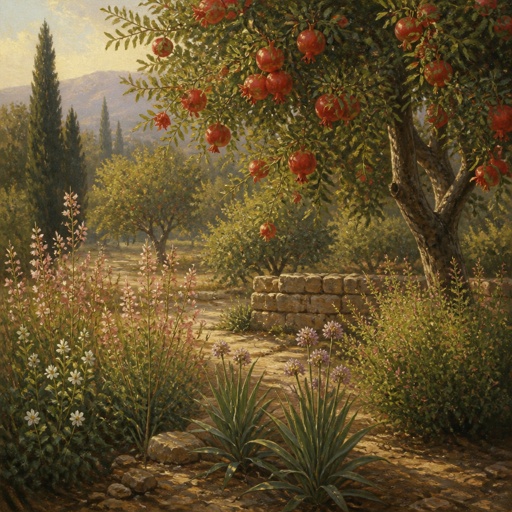
"Thy plants are an orchard of pomegranates, with pleasant fruits; camphire, with spikenard," - Song of Solomon 4:13