The Fragrance of Love and Abundance
“The mandrakes give a smell, and at our gates are all manner of pleasant fruits, new and old, which I have laid up for thee, O my beloved.” — Song of Solomon 7:13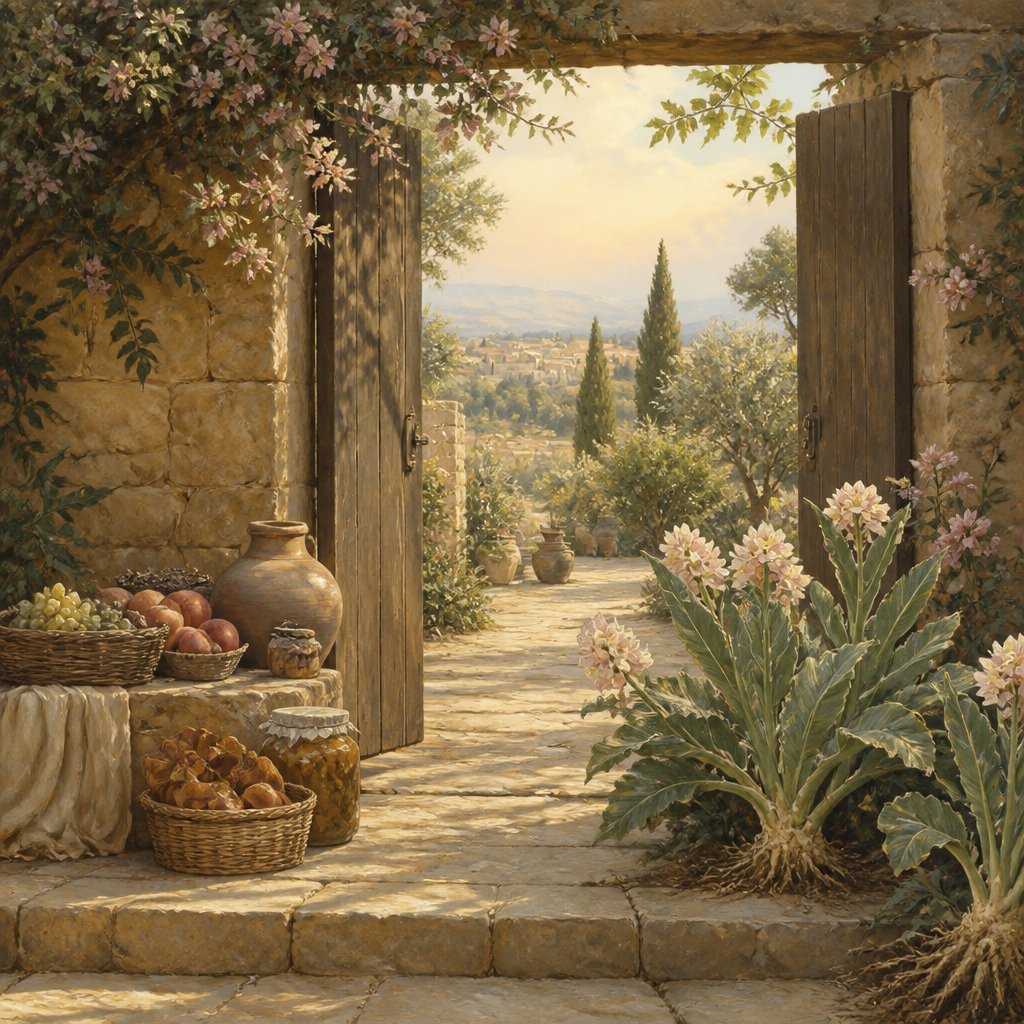
In the book of Song of Solomon, we find a beautiful expression of love between two lovers, portrayed as a dance of longing and desire. Specifically, Song of Solomon 7:13 reveals a profound truth about the nature of love and the blessings that come when we cultivate intimacy in our relationships. The verse states, "The mandrakes give a smell, and at our gates are all manner of pleasant fruits, new and old, which I have laid up for thee, O my beloved" (KJV).
To fully appreciate this verse, we must first understand the significance of the mandrakes and pleasant fruits mentioned here. Mandrakes were often associated with fertility and passion in ancient cultures. Their aroma was believed to evoke strong feelings of love and longing. Therefore, the mention of mandrakes symbolizes the richness of emotions that arise within a loving relationship. They serve as a fragrant reminder of the nuances of romance—the sweetness, the anticipation, and the deep connection that binds lovers together.
The idea of "pleasant fruits, new and old" further emphasizes the bounty that love can yield. The phrase invites us to reflect on the journey of love, where both novelty and familiarity coexist. New fruits represent the fresh experiences and adventures that come with falling in love. These are the exhilarating moments that take our breath away—first dates, shared laughter, passionate encounters. They are the thrilling and often spontaneous aspects of love that remind us of the joy it brings into our lives.
On the other hand, the "old fruits" symbolize the depth of understanding and the shared history that partners cultivate together over time. These represent the sacred memories stitched into the fabric of the relationship—those tender moments spent in conversation, the challenges endured hand in hand, and the commitment evident in everyday life. Old fruits are the constant reminders of love's endurance, signifying that true affection grows richer and more robust over the years.
The verse concludes with, “which I have laid up for thee, O my beloved.” This phrase highlights intentionality in love. It reflects a communal effort to gather and cherish experiences and offerings in a relationship. It speaks of preparing a space where love can flourish, where intimacy can deepen. When we think about laying things up for someone, it indicates a sense of stewardship and thoughtfulness that is fundamental in every relationship.
Reflecting on this verse invites us to consider how we nurture our relationships. Are we like the lover preparing a bounty of experiences and memories for our partner? In our busy lives, we often forget to harvest the little moments that can enrich our relationships. But we must remember to take the time to create new memories and treasure the old ones. Love requires active participation and intentionality; it’s not merely a passive emotion but a choice that drives us to nurture and grow our bonds.
Moreover, this verse encourages us to appreciate the diverse nature of love. Just as mandrakes and fruits share their richness through varying flavors, so does love come in many forms—romantic, familial, platonic—each worthy and precious. It reminds us to not only savor the sweet moments but also embrace the complexities that come with love.
In conclusion, let us be mindful of the fragrant offerings we present in our relationships. Let us be the custodians of both new and old joys, laying them up for our beloveds with reverence and care. As we navigate through life’s seasons, may we find ways to cultivate love that flourishes and bears fruit, knowing that every shared experience, whether fresh or familiar, contributes to a rich and vibrant tapestry of companionship.
Get our apps


Artwork for Song of Solomon 7:13
Song of Solomon 7:13 - "The mandrakes give a smell, and at our gates are all manner of pleasant fruits, new and old, which I have laid up for thee, O my beloved."
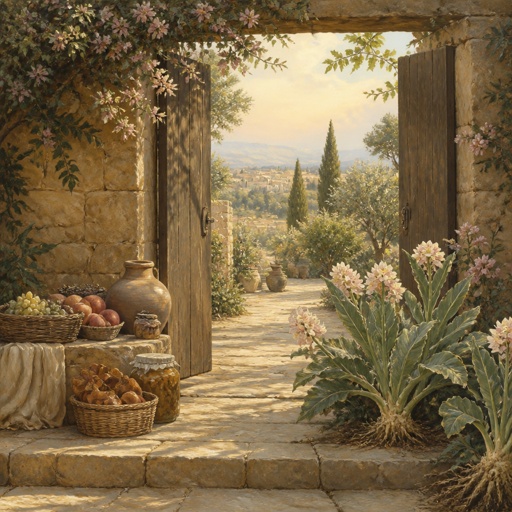
"The mandrakes give a smell, and at our gates are all manner of pleasant fruits, new and old, which I have laid up for thee, O my beloved." - Song of Solomon 7:13

Song of Solomon 7:6 - "How fair and how pleasant art thou, O love, for delights!"

Song of Solomon 7:10 - "¶ I am my beloved's, and his desire is toward me."

Song of Solomon 7:3 - "Thy two breasts are like two young roes that are twins."

Song of Solomon 7:11 - "Come, my beloved, let us go forth into the field; let us lodge in the villages."
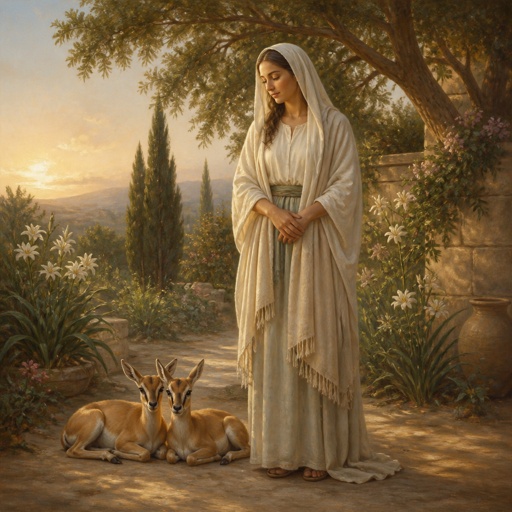
"Thy two breasts are like two young roes that are twins." - Song of Solomon 7:3

Song of Solomon 7:7 - "This thy stature is like to a palm tree, and thy breasts to clusters of grapes."

"¶ I am my beloved's, and his desire is toward me." - Song of Solomon 7:10

Song of Solomon 4:13 - "Thy plants are an orchard of pomegranates, with pleasant fruits; camphire, with spikenard,"

Song of Solomon 6:7 - "As a piece of a pomegranate are thy temples within thy locks."
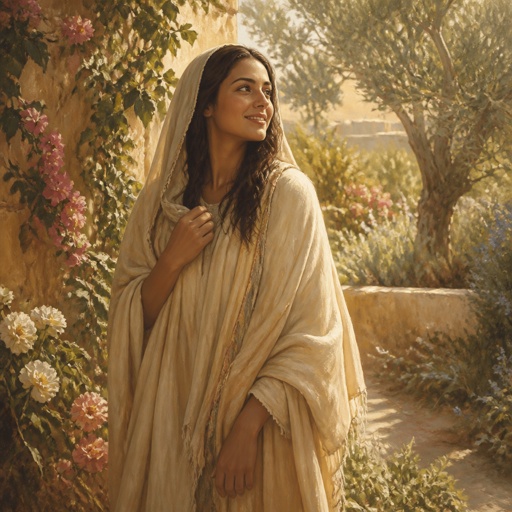
"How fair and how pleasant art thou, O love, for delights!" - Song of Solomon 7:6

Song of Solomon 4:7 - "Thou art all fair, my love; there is no spot in thee."

Song of Solomon 8:13 - "Thou that dwellest in the gardens, the companions hearken to thy voice: cause me to hear it."

Song of Solomon 3:7 - "Behold his bed, which is Solomon's; threescore valiant men are about it, of the valiant of Israel."

Song of Solomon 7:5 - "Thine head upon thee is like Carmel, and the hair of thine head like purple; the king is held in the galleries."

Song of Solomon 7:2 - "Thy navel is like a round goblet, which wanteth not liquor: thy belly is like an heap of wheat set about with lilies."
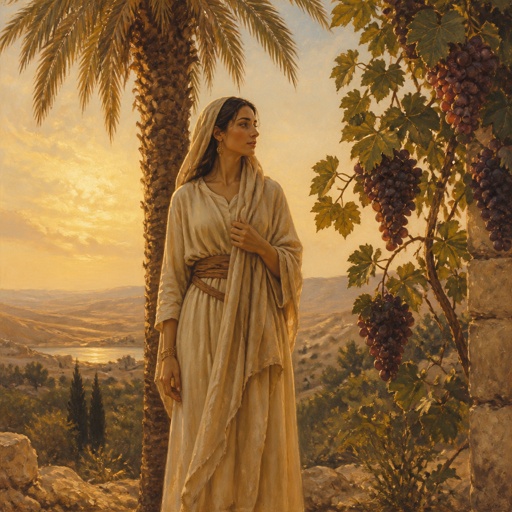
"This thy stature is like to a palm tree, and thy breasts to clusters of grapes." - Song of Solomon 7:7

"Come, my beloved, let us go forth into the field; let us lodge in the villages." - Song of Solomon 7:11

Song of Solomon 1:1 - "The song of songs, which is Solomon's."

Song of Solomon 5:13 - "His cheeks are as a bed of spices, as sweet flowers: his lips like lilies, dropping sweet smelling myrrh."

Song of Solomon 1:13 - "A bundle of myrrh is my wellbeloved unto me; he shall lie all night betwixt my breasts."

Song of Solomon 7:1 - "How beautiful are thy feet with shoes, O prince's daughter! the joints of thy thighs are like jewels, the work of the hands of a cunning workman."

Song of Solomon 7:12 - "Let us get up early to the vineyards; let us see if the vine flourish, whether the tender grape appear, and the pomegranates bud forth: there will I give thee my loves."
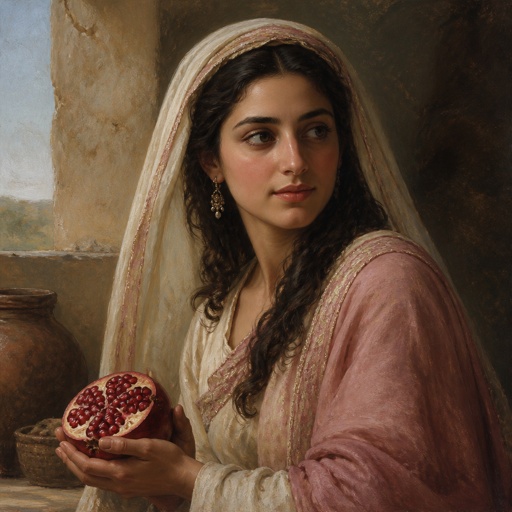
"As a piece of a pomegranate are thy temples within thy locks." - Song of Solomon 6:7
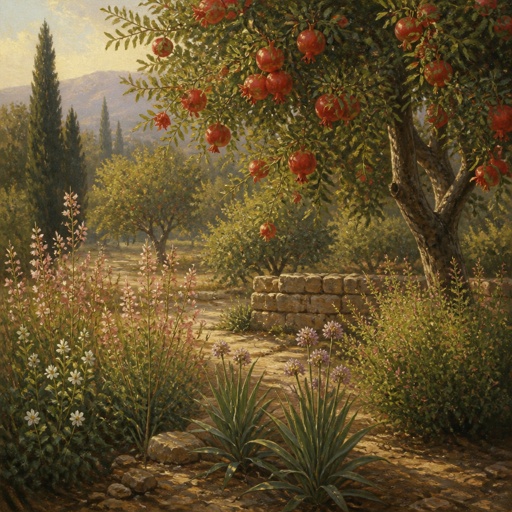
"Thy plants are an orchard of pomegranates, with pleasant fruits; camphire, with spikenard," - Song of Solomon 4:13

Song of Solomon 7:4 - "Thy neck is as a tower of ivory; thine eyes like the fishpools in Heshbon, by the gate of Bath-rabbim: thy nose is as the tower of Lebanon which looketh toward Damascus."
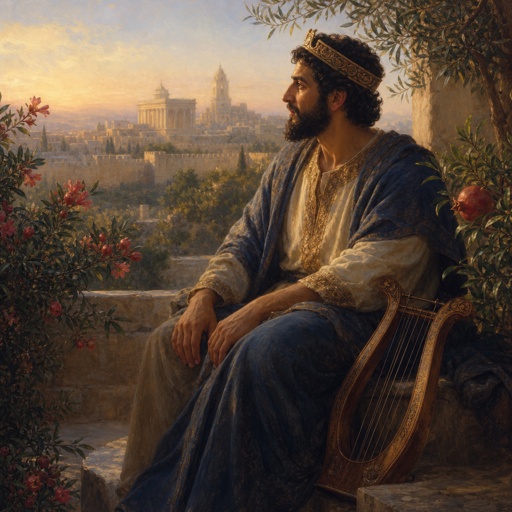
"The song of songs, which is Solomon's." - Song of Solomon 1:1

Song of Solomon 3:9 - "King Solomon made himself a chariot of the wood of Lebanon."
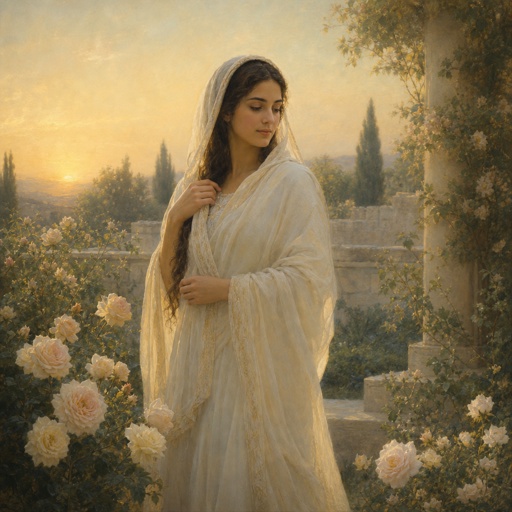
"Thou art all fair, my love; there is no spot in thee." - Song of Solomon 4:7