The Grace that Transforms: Living in the Light of Redemption
“For the grace of God that bringeth salvation hath appeared to all men, Teaching us that, denying ungodliness and worldly lusts, we should live soberly, righteously, and godly, in this present world; Looking for that blessed hope, and the glorious appearing of the great God and our Saviour Jesus Christ; Who gave himself for us, that he might redeem us from all iniquity, and purify unto himself a peculiar people, zealous of good works.” — Titus 2:11-14
As we delve into the profound words of Titus 2:11-14 in the King James Version, we are reminded of the incredible power of God’s grace. "For the grace of God that bringeth salvation hath appeared to all men." This opening line serves as a powerful reminder that God’s grace is not limited or exclusive; it is an inclusive invitation to all humanity. It transcends social, ethnic, and economic barriers, shining brightly across the landscape of human experience. It beckons to everyone, inviting us into a redemptive relationship with our Creator.
Grace is often defined as unmerited favor, yet it is far more than that. It is the transformative power of God that not only brings salvation but also teaches us how to live in a way that honors that gift. The verse continues, "Teaching us that, denying ungodliness and worldly lusts, we should live soberly, righteously, and godly, in this present world." Here, grace reveals its dual role: it saves us and educates us. God's grace empowers us to reject ungodliness and worldly desires—those insatiable temptations that lead us away from His path.
In a world where distractions abound and immoral influences are rampant, living soberly and righteously is no small feat. To live soberly means to be clear-minded, to view life through a lens of truth and reality rather than through the fog of indulgence or ignorance. When we are filled with the grace of God, we are called to exercise discipline over our desires, making conscious choices that align with God’s will. Similarly, living righteously speaks to how we interact with others. It is about conducting ourselves with integrity and compassion, treating others as the image-bearers of God that they are.
As we embrace the grace that saves us, we must be ever mindful of the impact it has on our daily living. The scripture presses further into our hearts as it invites us to look forward, “Looking for that blessed hope, and the glorious appearing of the great God and our Saviour Jesus Christ.” The grace that brings salvation also ignites a hopeful anticipation within us. We are not merely waiting aimlessly; we are looking forward to the fulfillment of God’s promises—His glorious return.
Our lives as believers are not intended to be stagnant. Instead, they are to be characterized by this eager expectation. As we await the coming of Christ, we are also called to reflect His character in our lives. "Who gave himself for us, that he might redeem us from all iniquity, and purify unto himself a peculiar people, zealous of good works." Here we see the essence of why Heredeems us—from iniquity and sin—so that we might be set apart as a peculiar people. The term "peculiar" denotes something precious and valued; it signifies our identity as those chosen and cherished by God.
Christ's sacrifice was not only for our salvation but also for our sanctification. He cleanses us so that we can be zealous for good works—actively engaged in actions that serve others and further God’s kingdom. This not only shows our gratitude for what He has done but also fulfills our purpose in Christ.
In conclusion, Titus 2:11-14 underscores the dynamic nature of God’s grace. It elevates us from the depths of despair, instructs us in righteous living, fills us with hope for the future, and commissions us to do good in the present. As we meditate on this scripture, let us respond wholeheartedly to the grace that has been given to us, allowing it to redefine our lives and impact the world around us. May we emerge as a peculiar people, shining brightly with the light of Christ, zealous in our works and anchored in our hope.
Get our apps


Artwork for Titus 2:11-14

Titus 2:11-14

Titus 2:11-14

Titus 2:11-14

Titus 2:11-14

Titus 2:11-14

Titus 2:11-14 - "For the grace of God has appeared that offers salvation to all people. It teaches us to say “No” to ungodliness and worldly passions, and to live self-controlled, upright and godly lives in this present age, while we wait for the blessed hope—the appearing of the glory of our great God and Savior, Jesus Christ, who gave himself for us to redeem us from all wickedness and to purify for himself a people that are his very own, eager to do what is good."

"For the grace of God has appeared that offers salvation to all people. It teaches us to say “No” to ungodliness and worldly passions, and to live self-controlled, upright and godly lives in this present age, while we wait for the blessed hope—the appearing of the glory of our great God and Savior, Jesus Christ, who gave himself for us to redeem us from all wickedness and to purify for himself a people that are his very own, eager to do what is good." - Titus 2:11-14

Titus 2:11 - "For the grace of God that bringeth salvation hath appeared to all men,"

Titus 11:4
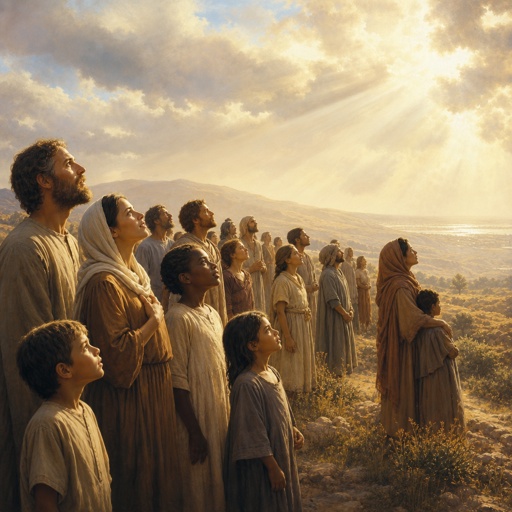
"For the grace of God that bringeth salvation hath appeared to all men," - Titus 2:11

Titus 2:14 - "Who gave himself for us, that he might redeem us from all iniquity, and purify unto himself a peculiar people, zealous of good works."

Titus 2:2

Titus 2:2

Titus 2:2

Titus 2:2

Titus 2:11-12 - "For the grace of God has appeared that offers salvation to all people. It teaches us to say “No” to ungodliness and worldly passions, and to live self-controlled, upright and godly lives in this present age."

Titus 3:11 - "Knowing that he that is such is subverted, and sinneth, being condemned of himself."

Titus 1:14 - "Not giving heed to Jewish fables, and commandments of men, that turn from the truth."

Titus 1:2

Titus 1:2

Titus 1:2

Titus 1:2

Titus 1:2

Titus 1:2

Titus 3:14 - "And let our's also learn to maintain good works for necessary uses, that they be not unfruitful."

2 Corinthians 7:14 - "For if I have boasted any thing to him of you, I am not ashamed; but as we spake all things to you in truth, even so our boasting, which I made before Titus, is found a truth."

Titus 3:1-2

Titus 2:7-8

Titus 2:9-10

Titus 2:3-5