
"For the grace of God that bringeth salvation hath appeared to all men, Teaching us that, denying ungodliness and worldly lusts, we should live soberly, righteously, and godly, in this present world; Looking for that blessed hope, and the glorious appearing of the great God and our Saviour Jesus Christ; Who gave himself for us, that he might redeem us from all iniquity, and purify unto himself a peculiar people, zealous of good works."
Titus 2:11-14 in the King James Version of the Bible is a passage that speaks to the transformative power of God's grace and the way it shapes the lives of believers. This passage is part of a letter written by the apostle Paul to Titus, a fellow Christian leader who was responsible for the church in Crete. In this letter, Paul provides practical instructions for Christian living and emphasizes the importance of sound doctrine and holy living.
The passage begins by emphasizing the universal nature of the grace of God, which brings salvation to all people. This grace is not limited to a select few, but is made available to everyone. This aligns with the overarching theme of inclusivity in the Christian faith, as God's grace is extended to all who are willing to receive it. It also serves as a reminder that God's love and salvation are not reserved for a privileged few, but are accessible to all who seek it.
The passage then goes on to outline the practical implications of this grace in the lives of believers. It teaches that God's grace not only brings salvation, but also instructs believers in how to live in a manner that is pleasing to God. This involves rejecting ungodliness and worldly lusts, and instead living a life characterized by sobriety, righteousness, and godliness. This reflects the call for believers to be set apart from the values and behaviors of the world, and to strive for holiness and obedience to God's will.
Additionally, the passage speaks of the believers' eager anticipation of the return of Jesus Christ. This "blessed hope" refers to the expectation of Christ's second coming, which serves as a source of comfort and encouragement for believers. It also serves as a reminder to live in a manner that is consistent with this hope, knowing that Christ will one day return to establish His kingdom and bring ultimate justice and redemption.
The passage then culminates in a powerful declaration of the redemptive work of Jesus Christ. It emphasizes that Christ gave himself for us, not only to redeem us from the power of sin and iniquity, but also to purify us and make us His own. This idea of being a "peculiar people" or a "special possession" of God conveys the idea of believers being set apart for God's purposes and devoted to His service. It also speaks to the idea of being zealous for good works, reflecting a life of active obedience and service to God.
Symbolically, this passage serves as a reminder of the transformative power of God's grace in the lives of believers. It highlights the contrast between the values of the world and the values of the kingdom of God, and calls believers to embrace a life of holiness and obedience. It also underscores the hope and anticipation of Christ's return, which serves as a driving force for living a life that is pleasing to God. Ultimately, this passage emphasizes the centrality of Christ's redemptive work and the believers' response of devoted service and obedience.
In conclusion, Titus 2:11-14 in the King James Version of the Bible is a powerful and instructive passage that speaks to the universal nature of God's grace and its transformative impact on the lives of believers. It emphasizes the call to holy living, the eager anticipation of Christ's return, and the redemptive work of Jesus Christ. As believers, we are called to embrace and embody these truths in our lives, and to be zealous for good works as a response to God's grace.
Get our apps


Artwork for Titus 2:11-14

Titus 2:11-14

Titus 2:11-14

Titus 2:11-14

Titus 2:11-14

Titus 2:11-14

Titus 2:11-14 - "For the grace of God has appeared that offers salvation to all people. It teaches us to say “No” to ungodliness and worldly passions, and to live self-controlled, upright and godly lives in this present age, while we wait for the blessed hope—the appearing of the glory of our great God and Savior, Jesus Christ, who gave himself for us to redeem us from all wickedness and to purify for himself a people that are his very own, eager to do what is good."

"For the grace of God has appeared that offers salvation to all people. It teaches us to say “No” to ungodliness and worldly passions, and to live self-controlled, upright and godly lives in this present age, while we wait for the blessed hope—the appearing of the glory of our great God and Savior, Jesus Christ, who gave himself for us to redeem us from all wickedness and to purify for himself a people that are his very own, eager to do what is good." - Titus 2:11-14

Titus 2:11 - "For the grace of God that bringeth salvation hath appeared to all men,"

Titus 11:4
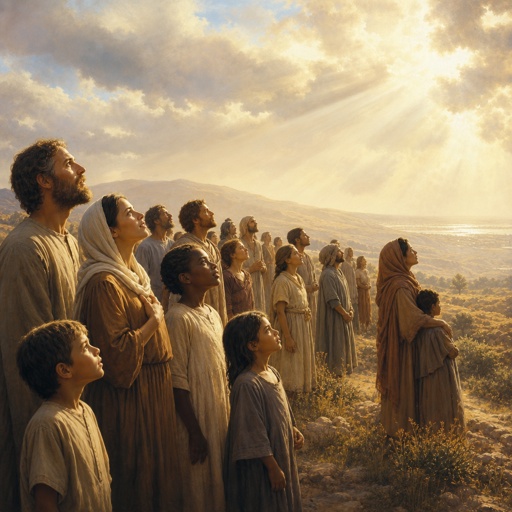
"For the grace of God that bringeth salvation hath appeared to all men," - Titus 2:11

Titus 2:14 - "Who gave himself for us, that he might redeem us from all iniquity, and purify unto himself a peculiar people, zealous of good works."

Titus 2:2

Titus 2:2

Titus 2:2

Titus 2:2

Titus 2:11-12 - "For the grace of God has appeared that offers salvation to all people. It teaches us to say “No” to ungodliness and worldly passions, and to live self-controlled, upright and godly lives in this present age."

Titus 3:11 - "Knowing that he that is such is subverted, and sinneth, being condemned of himself."

Titus 1:14 - "Not giving heed to Jewish fables, and commandments of men, that turn from the truth."

Titus 1:2

Titus 1:2

Titus 1:2

Titus 1:2

Titus 1:2

Titus 1:2

Titus 3:14 - "And let our's also learn to maintain good works for necessary uses, that they be not unfruitful."

2 Corinthians 7:14 - "For if I have boasted any thing to him of you, I am not ashamed; but as we spake all things to you in truth, even so our boasting, which I made before Titus, is found a truth."

Titus 3:1-2

Titus 2:7-8

Titus 2:9-10

Titus 2:3-5