What does 1 Chronicles 18:3 mean?
“And David smote Hadarezer king of Zobah unto Hamath, as he went to stablish his dominion by the river Euphrates.” — 1 Chronicles 18:3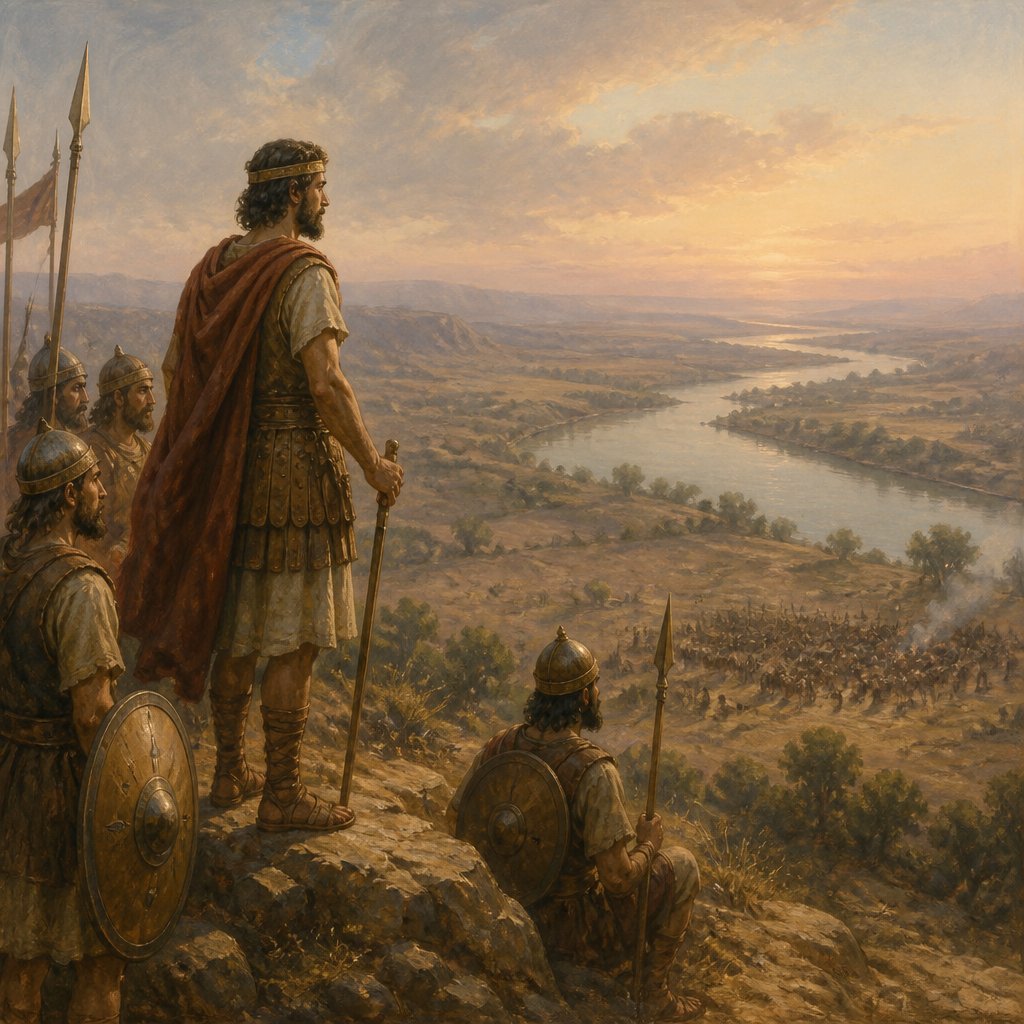
1 Chronicles 18:3 (KJV) reads, "And David smote Hadarezer king of Zobah unto Hamath, as he went to stablish his dominion by the river Euphrates." This verse is part of the account of King David's military victories and expansion of his kingdom as recorded in the Old Testament of the Bible.
To fully understand the meaning of this verse, it is important to provide some context regarding the historical and cultural background of the time. King David, known for his bravery, military prowess, and strong faith in God, reigned as the second king of Israel. During his rule, he was able to unite and strengthen the nation of Israel, establishing it as a dominant force in the region.
In this particular verse, David is described as having "smote" or defeated Hadarezer, the king of Zobah, a region located in modern-day Syria. This victory allowed David to extend his dominion as far as the Euphrates River, a significant and strategic achievement for his kingdom. This verse serves as a testament to David's military conquests and his efforts to secure and expand the borders of Israel.
One of the underlying themes in this verse is the idea of divine favor and intervention. Throughout the Old Testament, David is portrayed as a man who relied on God for guidance and strength, particularly in times of warfare. This verse underscores the belief that God was on David's side, granting him victory over his enemies and enabling him to establish and solidify his kingdom.
Furthermore, the verse highlights the notion of territorial expansion and the pursuit of power and influence. In the ancient world, conquering neighboring kingdoms and extending one's dominion was a common practice among rulers. For David, the defeat of Hadarezer and the claim of territory up to the Euphrates River represented not only a military triumph but also a demonstration of his authority and sovereignty as a king.
Symbolically, the Euphrates River holds significant meaning in the Bible. It is often associated with the eastern boundary of the land promised to the Israelites by God. In this context, David's conquest up to the Euphrates River can be seen as a fulfillment of God's promise to His people, further solidifying David's legitimacy as a chosen leader.
Additionally, this verse serves as a reminder of the importance of perseverance and determination in the face of adversity. David's victory over Hadarezer was not easily achieved and required strategic planning, courage, and unwavering resolve. It is a testament to the strength of David's character and his unwavering commitment to fulfill the plans and purposes that God had for him and his kingdom.
In conclusion, 1 Chronicles 18:3 portrays King David as a fearless and victorious leader who relied on God's guidance and strength to expand his kingdom and secure its borders. The verse reflects themes of divine favor, territorial conquest, and the perseverance of God's chosen people. It serves as a powerful illustration of faith, courage, and the fulfillment of God's promises in the context of ancient history.
Get our apps


Artwork for 1 Chronicles 18:3

1 Chronicles 18:3 - "¶ And David smote Hadarezer king of Zobah unto Hamath, as he went to stablish his dominion by the river Euphrates."
"¶ And David smote Hadarezer king of Zobah unto Hamath, as he went to stablish his dominion by the river Euphrates." - 1 Chronicles 18:3

1 Chronicles 3:18 - "Malchiram also, and Pedaiah, and Shenazar, Jecamiah, Hoshama, and Nedabiah."
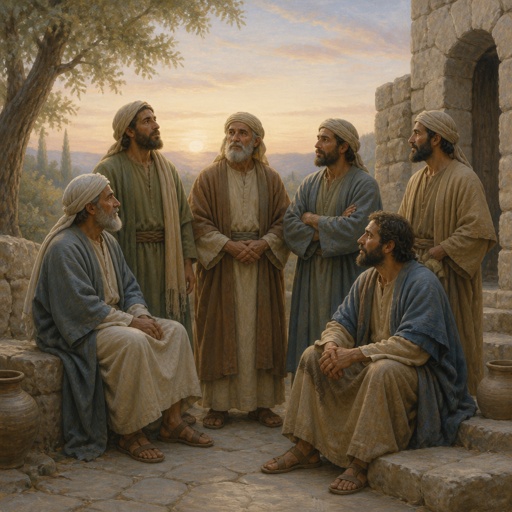
"Malchiram also, and Pedaiah, and Shenazar, Jecamiah, Hoshama, and Nedabiah." - 1 Chronicles 3:18

1 Chronicles 1:18 - "And Arphaxad begat Shelah, and Shelah begat Eber."

1 Chronicles 23:18 - "Of the sons of Izhar; Shelomith the chief."

1 Chronicles 1:3 - "Henoch, Methuselah, Lamech,"

1 Chronicles 8:18 - "Ishmerai also, and Jezliah, and Jobab, the sons of Elpaal;"

1 Chronicles 24:18 - "The three and twentieth to Delaiah, the four and twentieth to Maaziah."

1 Chronicles 26:18 - "At Parbar westward, four at the causeway, and two at Parbar."

Lamentations 3:1-18

1 Chronicles 7:18 - "And his sister Hammoleketh bare Ishod, and Abiezer, and Mahalah."

1 Chronicles 6:18 - "And the sons of Kohath were, Amram, and Izhar, and Hebron, and Uzziel."

1 Chronicles 3:3 - "The fifth, Shephatiah of Abital: the sixth, Ithream by Eglah his wife."

1 Chronicles 3:7 - "And Nogah, and Nepheg, and Japhia,"

1 Chronicles 27:18 - "Of Judah, Elihu, one of the brethren of David: of Issachar, Omri the son of Michael:"

1 Chronicles 25:18 - "The eleventh to Azareel, he, his sons, and his brethren, were twelve:"

2 Chronicles 18:1 - "Now Jehoshaphat had riches and honour in abundance, and joined affinity with Ahab."

1 Chronicles 18:2 - "And he smote Moab; and the Moabites became David's servants, and brought gifts."

1 Chronicles 18:15 - "And Joab the son of Zeruiah was over the host; and Jehoshaphat the son of Ahilud, recorder."

1 Chronicles 3:8 - "And Elishama, and Eliada, and Eliphelet, nine."

1 Chronicles 3:6 - "Ibhar also, and Elishama, and Eliphelet,"

1 Chronicles 18:16 - "And Zadok the son of Ahitub, and Abimelech the son of Abiathar, were the priests; and Shavsha was scribe;"

1 Chronicles 16:18 - "Saying, Unto thee will I give the land of Canaan, the lot of your inheritance;"

1 Chronicles 18:12 - "Moreover Abishai the son of Zeruiah slew of the Edomites in the valley of salt eighteen thousand."

1 Chronicles 18:7 - "And David took the shields of gold that were on the servants of Hadarezer, and brought them to Jerusalem."
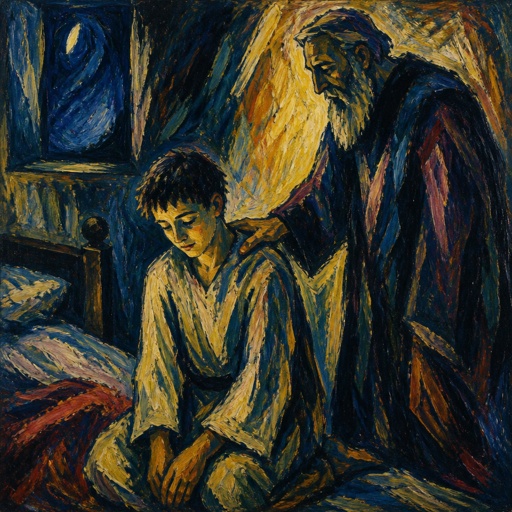
1 Samuel 3:17-18

"Henoch, Methuselah, Lamech," - 1 Chronicles 1:3

1 Chronicles 9:18 - "Who hitherto waited in the king's gate eastward: they were porters in the companies of the children of Levi."

"And Arphaxad begat Shelah, and Shelah begat Eber." - 1 Chronicles 1:18