What does 1 Chronicles 2:52 mean?
“And Shobal the father of Kirjath-jearim had sons; Haroeh, and half of the Manahethites.” — 1 Chronicles 2:52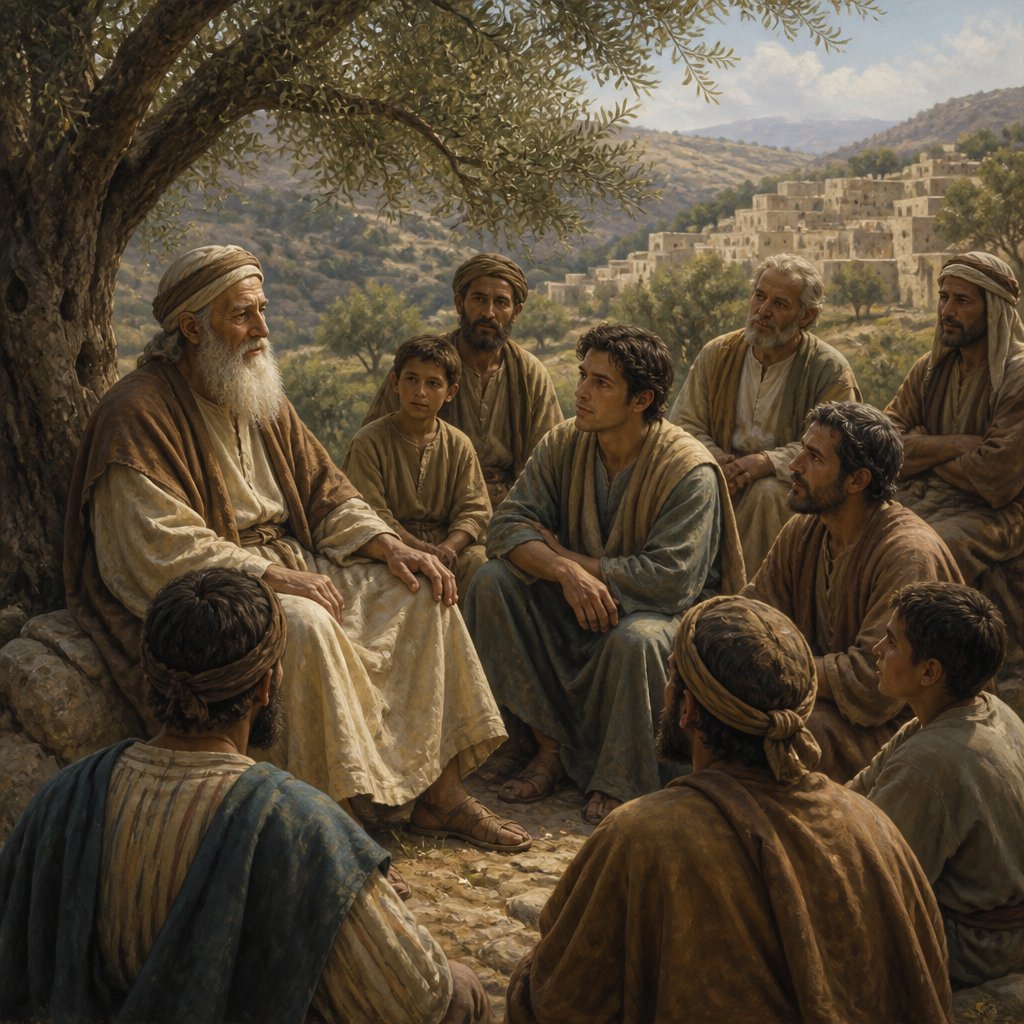
1 Chronicles 2:52 (KJV) says, "And Shobal the father of Kirjathjearim had sons; Haroeh, and half of the Manahethites."
To fully understand the meaning and significance of 1 Chronicles 2:52, it is essential to consider the context and background of the book of 1 Chronicles as well as the genealogy of Shobal and his descendants.
1 Chronicles is a book of the Old Testament that provides a detailed account of the genealogy of the Israelites, focusing particularly on the lineage of David, who was chosen by God to be the king of Israel. The book of 1 Chronicles is a part of the larger narrative of the history of Israel and is significant for its portrayal of God's faithfulness to His people and His covenant promises.
In 1 Chronicles 2:52, the verse is part of a genealogical record that traces the descendants of Shobal, who was the son of Caleb and the brother of Jerahmeel. The verse mentions Shobal's sons, specifically Haroeh and half of the Manahethites. Here, the emphasis is on the lineage and descendants of Shobal, which was an important aspect of Israelite society and culture.
From a broader perspective, the verse serves to highlight the faithfulness of God in fulfilling His promises to the descendants of Shobal and the preservation of the Israelite lineage. The mention of specific names and lineages in the genealogy serves as a reminder of God's sovereignty and His providential care over His chosen people. It underscores the importance of preserving the family line and heritage, as well as the significance of each individual within the larger community of Israel.
The significance of 1 Chronicles 2:52 can also be understood in the broader theme of redemption and restoration that is prevalent throughout the Old Testament. The genealogical records in the Bible not only serve to trace the lineage of particular individuals but also to establish the legitimacy and historical continuity of the Israelite people. This theme of continuity and preservation is central to the biblical narrative, as it demonstrates God's ongoing work in history and His faithfulness to His chosen people.
Furthermore, the symbolism of the names mentioned in the verse can also provide insight into the spiritual significance of 1 Chronicles 2:52. The name "Haroeh" means "a seer" or "a visionary," suggesting a role of foresight and spiritual insight within the lineage of Shobal. This alludes to the prophetic tradition within the Israelite community and the importance of spiritual leadership and guidance.
The mention of the "Manahethites" could also hold symbolic significance, as the name "Manaheth" means "rest" or "quietness." This could be interpreted as a reflection of the peace and prosperity that God promises to His people, emphasizing the theme of God's faithfulness and provision.
In conclusion, 1 Chronicles 2:52 may appear as a simple genealogical record, but it carries profound significance within the broader narrative of the Bible. It serves as a reminder of God's providential care and faithfulness to His people, as well as the importance of preserving the lineage and heritage of the Israelites. The verse also holds symbolic meaning that points to the spiritual leadership and guidance within the community of Israel. Overall, 1 Chronicles 2:52 contributes to the rich tapestry of biblical themes and narratives, showcasing God's ongoing work in history and His covenant promises to His people.
Get our apps


Artwork for 1 Chronicles 2:52

1 Chronicles 2:52 - "And Shobal the father of Kirjath-jearim had sons; Haroeh, and half of the Manahethites."
"And Shobal the father of Kirjath-jearim had sons; Haroeh, and half of the Manahethites." - 1 Chronicles 2:52

1 Chronicles 1:52 - "Duke Aholibamah, duke Elah, duke Pinon,"

1 Chronicles 6:52 - "Meraioth his son, Amariah his son, Ahitub his son,"
"Duke Aholibamah, duke Elah, duke Pinon," - 1 Chronicles 1:52
"Meraioth his son, Amariah his son, Ahitub his son," - 1 Chronicles 6:52

Luke 2:52

Jeremiah 52:16

Psalm 52:5

Luke 2:41-52
Ezra 2:52 - "The children of Bazluth, the children of Mehida, the children of Harsha,"

1 Chronicles 2:48 - "Maachah, Caleb's concubine, bare Sheber, and Tirhanah."

Luke 2:52 - "And Jesus increased in wisdom and stature, and in favour with God and man."

1 Corinthians 15:51-52

1 Corinthians 15:51-52

1 Corinthians 15:51-52

1 Chronicles 2:8 - "And the sons of Ethan; Azariah."

1 Chronicles 2:38 - "And Obed begat Jehu, and Jehu begat Azariah,"

1 Chronicles 2:41 - "And Shallum begat Jekamiah, and Jekamiah begat Elishama."

1 Chronicles 2:36 - "And Attai begat Nathan, and Nathan begat Zabad,"

1 Chronicles 2:11 - "And Nahshon begat Salma, and Salma begat Boaz,"

1 Chronicles 2:39 - "And Azariah begat Helez, and Helez begat Eleasah,"

1 Corinthians 15:51-52

1 Chronicles 2:15 - "Ozem the sixth, David the seventh:"

1 Chronicles 2:14 - "Nethaneel the fourth, Raddai the fifth,"

1 Chronicles 2:5 - "The sons of Pharez; Hezron, and Hamul."

1 Chronicles 1:2 - "Kenan, Mahalaleel, Jered,"

1 Chronicles 2:2 - "Dan, Joseph, and Benjamin, Naphtali, Gad, and Asher."

1 Chronicles 2:20 - "And Hur begat Uri, and Uri begat Bezaleel."

1 Chronicles 2:40 - "And Eleasah begat Sisamai, and Sisamai begat Shallum,"