What does 1 Chronicles 4:4 mean?
“And Penuel the father of Gedor, and Ezer the father of Hushah. These are the sons of Hur, the firstborn of Ephratah, the father of Beth-lehem.” — 1 Chronicles 4:4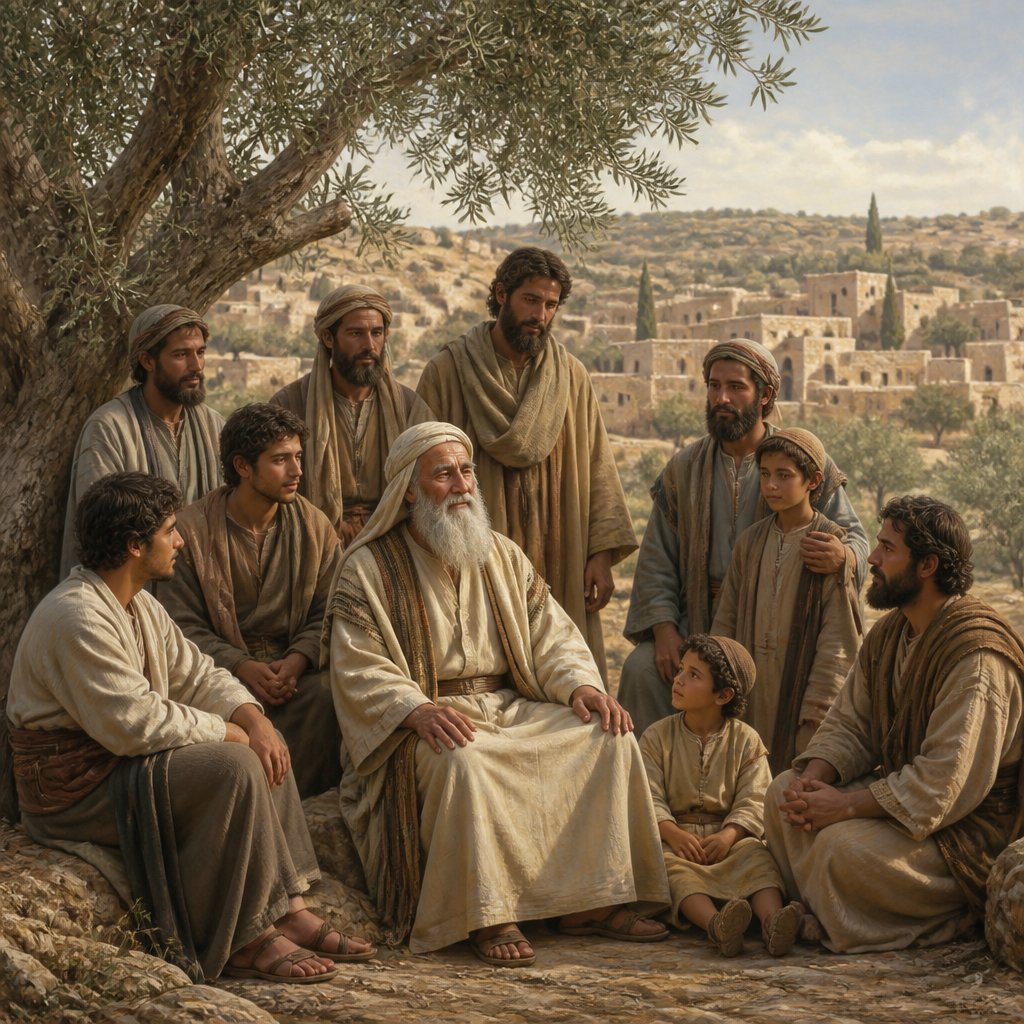
1 Chronicles 4:4 (KJV) reads: "And Penuel the father of Gedor, and Ezer the father of Hushah. These are the sons of Hur, the firstborn of Ephratah, the father of Bethlehem."
This verse, found in the Old Testament book of 1 Chronicles, is part of a genealogy that lists the descendants of Judah, the fourth son of Jacob. In this specific verse, we are given the names of Penuel and Ezer, who are the sons of Hur, the firstborn of Ephratah, the father of Bethlehem.
At first glance, this verse may seem insignificant or unimportant to the overall narrative of the Bible. However, upon closer examination, we can glean valuable insights from this verse.
One of the key themes in 1 Chronicles 4:4 is the significance of lineage and ancestry. Throughout the Bible, genealogies are often used to establish a person's identity, heritage, and connection to a particular tribe or clan. In the case of Penuel and Ezer, their lineage is traced back to Hur, the firstborn of Ephratah, which establishes their connection to the tribe of Judah.
This emphasis on lineage is reflective of the ancient Israelite culture, where one's ancestry held great importance. In many cases, a person's social standing, inheritance, and even religious duties were determined by their lineage. By including this genealogy in the Bible, the importance of preserving and recording one's ancestry is highlighted.
Furthermore, the mention of Bethlehem in this verse is also significant. Bethlehem holds a special place in the Bible as the birthplace of King David, who became one of the most prominent figures in Israelite history. This connection to Bethlehem serves as a foreshadowing of the future events that will take place in this significant town, including the birth of Jesus, who is often referred to as the "Son of David" and the "Lion of the tribe of Judah."
Symbolically, the mention of Bethlehem in this genealogy can be seen as a reminder of God's faithfulness to His promises. The inclusion of Bethlehem in the lineage of Penuel and Ezer foreshadows the redemptive work that will eventually take place in this town, ultimately leading to the fulfillment of God's plan of salvation for all mankind.
In addition, the mention of Hur, the father of Bethlehem, also holds symbolic significance. The name "Hur" means "white" or "linen," and it is often associated with purity and righteousness. This allusion to purity and righteousness in the genealogy of Penuel and Ezer can be seen as a reminder of the importance of living a life that is pleasing to God, as well as the faithfulness of God in preserving a righteous remnant within the tribe of Judah.
Overall, 1 Chronicles 4:4 may appear to be a simple genealogy, but it holds valuable insights into the themes of lineage, ancestry, and the faithfulness of God. It serves as a reminder of the importance of preserving and recording one's ancestry, as well as a foreshadowing of the redemptive work that will take place in Bethlehem. This verse also underscores the significance of living a righteous life in the eyes of God, as exemplified by the inclusion of the name Hur in the genealogy.
Get our apps


Artwork for 1 Chronicles 4:4

1 Chronicles 4:4 - "And Penuel the father of Gedor, and Ezer the father of Hushah. These are the sons of Hur, the firstborn of Ephratah, the father of Beth-lehem."
"And Penuel the father of Gedor, and Ezer the father of Hushah. These are the sons of Hur, the firstborn of Ephratah, the father of Beth-lehem." - 1 Chronicles 4:4

1 Chronicles 1:4 - "Noah, Shem, Ham, and Japheth."

2 Chronicles 4:22

1 Chronicles 4 : 10

1 Chronicles 4:29 - "And at Bilhah, and at Ezem, and at Tolad,"

1 Chronicles 4:30 - "And at Bethuel, and at Hormah, and at Ziklag,"

1 Chronicles 8:4 - "And Abishua, and Naaman, and Ahoah,"

1 Chronicles 4:1 - "The sons of Judah; Pharez, Hezron, and Carmi, and Hur, and Shobal."

1 Chronicles 4:34 - "And Meshobab, and Jamlech, and Joshah the son of Amaziah,"

1 Chronicles 15:4 - "And David assembled the children of Aaron, and the Levites:"

1 Chronicles 4:28 - "And they dwelt at Beer-sheba, and Moladah, and Hazar-shual,"

1 Chronicles 4:7 - "And the sons of Helah were, Zereth, and Jezoar, and Ethnan."

1 Chronicles 4:16 - "And the sons of Jehaleleel; Ziph, and Ziphah, Tiria, and Asareel."

1 Chronicles 6:4 - "¶ Eleazar begat Phinehas, Phinehas begat Abishua,"

1 Chronicles 4:36 - "And Elioenai, and Jaakobah, and Jeshohaiah, and Asaiah, and Adiel, and Jesimiel, and Benaiah,"

1 Chronicles 4:13 - "And the sons of Kenaz; Othniel, and Seraiah: and the sons of Othniel; Hathath."

1 Chronicles 4:43 - "And they smote the rest of the Amalekites that were escaped, and dwelt there unto this day."

1 Chronicles 4:5 - "¶ And Ashur the father of Tekoa had two wives, Helah and Naarah."

1 Chronicles 4:11 - "¶ And Chelub the brother of Shuah begat Mehir, which was the father of Eshton."

"Noah, Shem, Ham, and Japheth." - 1 Chronicles 1:4

1 Chronicles 4:8 - "And Coz begat Anub, and Zobebah, and the families of Aharhel the son of Harum."

1 Chronicles 4:35 - "And Joel, and Jehu the son of Josibiah, the son of Seraiah, the son of Asiel,"

1 Chronicles 4:24 - "¶ The sons of Simeon were, Nemuel, and Jamin, Jarib, Zerah, and Shaul:"

1 Chronicles 4:25 - "Shallum his son, Mibsam his son, Mishma his son."

1 Chronicles 4:3 - "And these were of the father of Etam; Jezreel, and Ishma, and Idbash: and the name of their sister was Hazelelponi:"

1 Chronicles 4:32 - "And their villages were, Etam, and Ain, Rimmon, and Tochen, and Ashan, five cities:"

1 Chronicles 4:38 - "These mentioned by their names were princes in their families: and the house of their fathers increased greatly."

"And Abishua, and Naaman, and Ahoah," - 1 Chronicles 8:4

"And at Bilhah, and at Ezem, and at Tolad," - 1 Chronicles 4:29