What does 1 Chronicles 4:11 mean?
“And Chelub the brother of Shuah begat Mehir, which was the father of Eshton.” — 1 Chronicles 4:11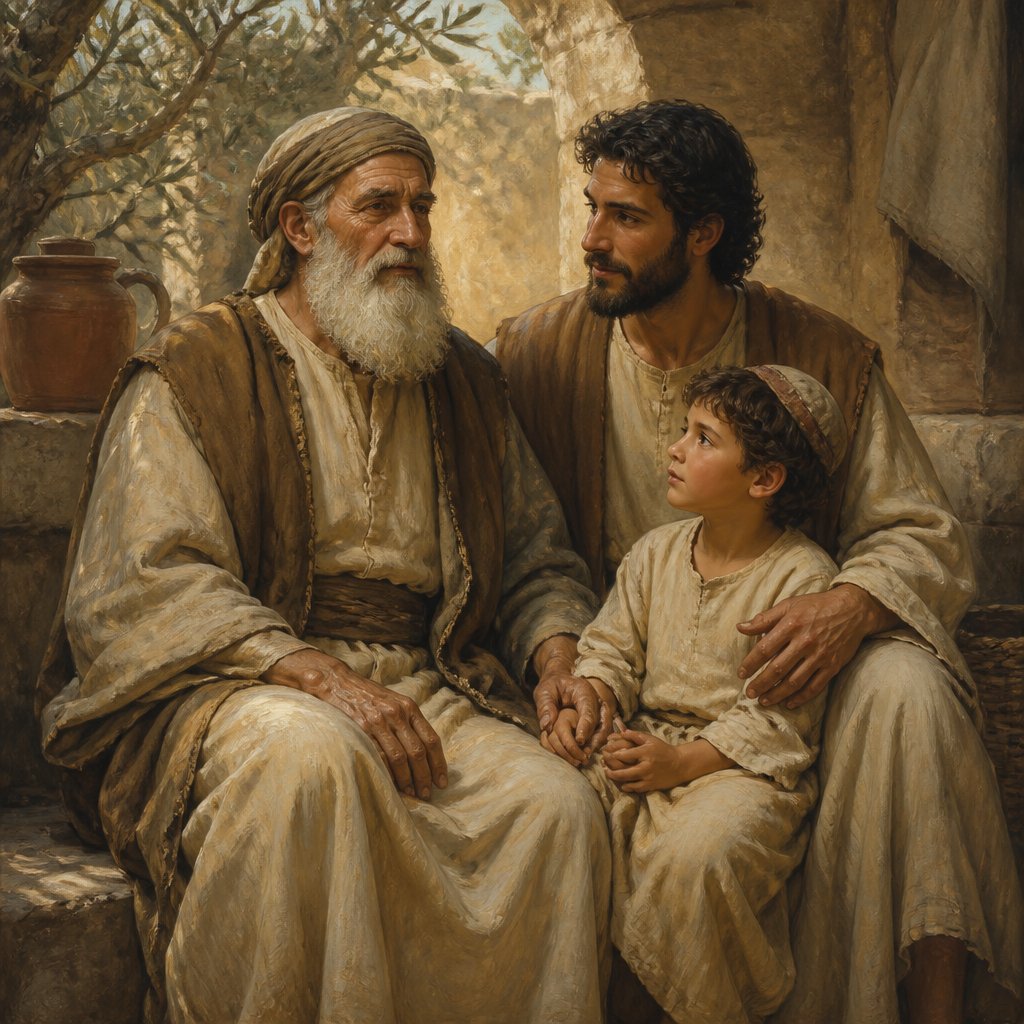
The Bible verse 1 Chronicles 4:10-11 from the King James Version (KJV) reads, "And Jabez called on the God of Israel, saying, Oh that thou wouldest bless me indeed, and enlarge my coast, and that thine hand might be with me, and that thou wouldest keep me from evil, that it may not grieve me! And God granted him that which he requested."
This verse is known as the prayer of Jabez, and it is one of the most famous and widely discussed passages in the Old Testament. It is found within the genealogy of Judah and serves as a short, but powerful testimony of faith and God's favor.
The context of this passage is important to consider. Jabez is mentioned in the midst of a list of genealogy, and his prayer emerges as a surprising focal point in the middle of this historical account. Jabez's name means "he causes pain," and it is noted that his mother bore him in pain, which was likely the reason behind his name. Despite the underlying pain associated with his birth, Jabez rose above his circumstances and called upon the God of Israel for blessings.
The prayer of Jabez consists of several key elements that serve as themes in this verse. First, Jabez asks for God's blessing, specifically stating, "Oh that thou wouldest bless me indeed." This shows a deep sense of humility and reliance on God's grace. It reflects the desire for spiritual and material prosperity, acknowledging that all blessings come from God.
Next, Jabez asks for an enlargement of his coast, which can be interpreted as a request for an expansion of his influence, territory, or opportunities. This reflects a desire for growth, impact, and success under God's favor. It also indicates a willingness to step out of a place of confinement and into God's abundance.
Additionally, Jabez prays for God's hand to be with him, signifying a need for God's guidance, protection, and empowerment. This request acknowledges the importance of God's presence in every aspect of life and the recognition that human efforts alone are insufficient without the divine intervention.
Furthermore, Jabez asks to be kept from evil, seeking protection from harm and temptation. This portion of the prayer underscores the awareness of the constant spiritual warfare and the need for God's deliverance from the snares of the enemy.
Lastly, Jabez expresses a desire for freedom from pain and grief, asking that evil may not grieve him. This demonstrates a longing for emotional and spiritual well-being, highlighting the impact of past pain and the hope for a future free from sorrow.
The symbolic significance of the prayer of Jabez is profound. It represents the universal human desire for God's blessings, guidance, protection, and deliverance. Jabez's prayer is a model of faith and dependence on God, showcasing the power of a sincere and earnest plea to the Almighty.
The response to Jabez's prayer is equally powerful. The verse states, "And God granted him that which he requested." This serves as a testament to God's faithfulness and willingness to answer the prayers of His people. It highlights the divine inclination to bestow blessings upon those who seek Him wholeheartedly.
In conclusion, the prayer of Jabez in 1 Chronicles 4:10-11 is a profound and timeless expression of faith, hope, and reliance on God. It emphasizes the themes of blessings, growth, divine presence, protection, and deliverance. It serves as an inspiration for believers to approach God with boldness and expectancy, knowing that He is able to grant the requests of those who seek Him diligently.
Get our apps


Artwork for 1 Chronicles 4:11

1 Chronicles 4:11 - "¶ And Chelub the brother of Shuah begat Mehir, which was the father of Eshton."

"¶ And Chelub the brother of Shuah begat Mehir, which was the father of Eshton." - 1 Chronicles 4:11

1 Chronicles 11:4 - "¶ And David and all Israel went to Jerusalem, which is Jebus; where the Jebusites were, the inhabitants of the land."

1 Chronicles 4 : 10

1 Chronicles 1:11 - "And Mizraim begat Ludim, and Anamim, and Lehabim, and Naphtuhim,"

1 Chronicles 1:4 - "Noah, Shem, Ham, and Japheth."

2 Chronicles 4:11 - "And Huram made the pots, and the shovels, and the basons. And Huram finished the work that he was to make for king Solomon for the house of God;"

1 Chronicles 11:29 - "Sibbecai the Hushathite, Ilai the Ahohite,"

1 Chronicles 12:11 - "Attai the sixth, Eliel the seventh,"

1 Chronicles 24:11 - "The ninth to Jeshua, the tenth to Shecaniah,"

1 Chronicles 11:40 - "Ira the Ithrite, Gareb the Ithrite,"

1 Chronicles 11:27 - "Shammoth the Harorite, Helez the Pelonite,"

1 Chronicles 11:36 - "Hepher the Mecherathite, Ahijah the Pelonite,"

1 Chronicles 11:47 - "Eliel, and Obed, and Jasiel the Mesobaite."

1 Chronicles 11:33 - "Azmaveth the Baharumite, Eliahba the Shaalbonite,"

2 Chronicles 4:22
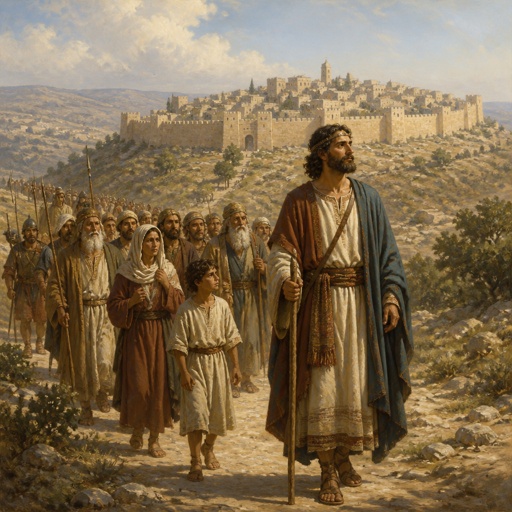
"¶ And David and all Israel went to Jerusalem, which is Jebus; where the Jebusites were, the inhabitants of the land." - 1 Chronicles 11:4

1 Chronicles 8:11 - "And of Hushim he begat Abitub, and Elpaal."

1 Chronicles 11:43 - "Hanan the son of Maachah, and Joshaphat the Mithnite,"

1 Chronicles 11:32 - "Hurai of the brooks of Gaash, Abiel the Arbathite,"

1 Chronicles 11:41 - "Uriah the Hittite, Zabad the son of Ahlai,"

1 Chronicles 11:37 - "Hezro the Carmelite, Naarai the son of Ezbai,"

1 Chronicles 4:29 - "And at Bilhah, and at Ezem, and at Tolad,"

1 Chronicles 4:30 - "And at Bethuel, and at Hormah, and at Ziklag,"

1 Chronicles 8:4 - "And Abishua, and Naaman, and Ahoah,"

1 Chronicles 6:11 - "And Azariah begat Amariah, and Amariah begat Ahitub,"

1 Chronicles 11:30 - "Maharai the Netophathite, Heled the son of Baanah the Netophathite,"

1 Chronicles 2:11 - "And Nahshon begat Salma, and Salma begat Boaz,"

1 Chronicles 4:1 - "The sons of Judah; Pharez, Hezron, and Carmi, and Hur, and Shobal."

1 Chronicles 11:38 - "Joel the brother of Nathan, Mibhar the son of Haggeri,"