What does 1 Chronicles 5:8 mean?
“And Bela the son of Azaz, the son of Shema, the son of Joel, who dwelt in Aroer, even unto Nebo and Baal-meon:” — 1 Chronicles 5:8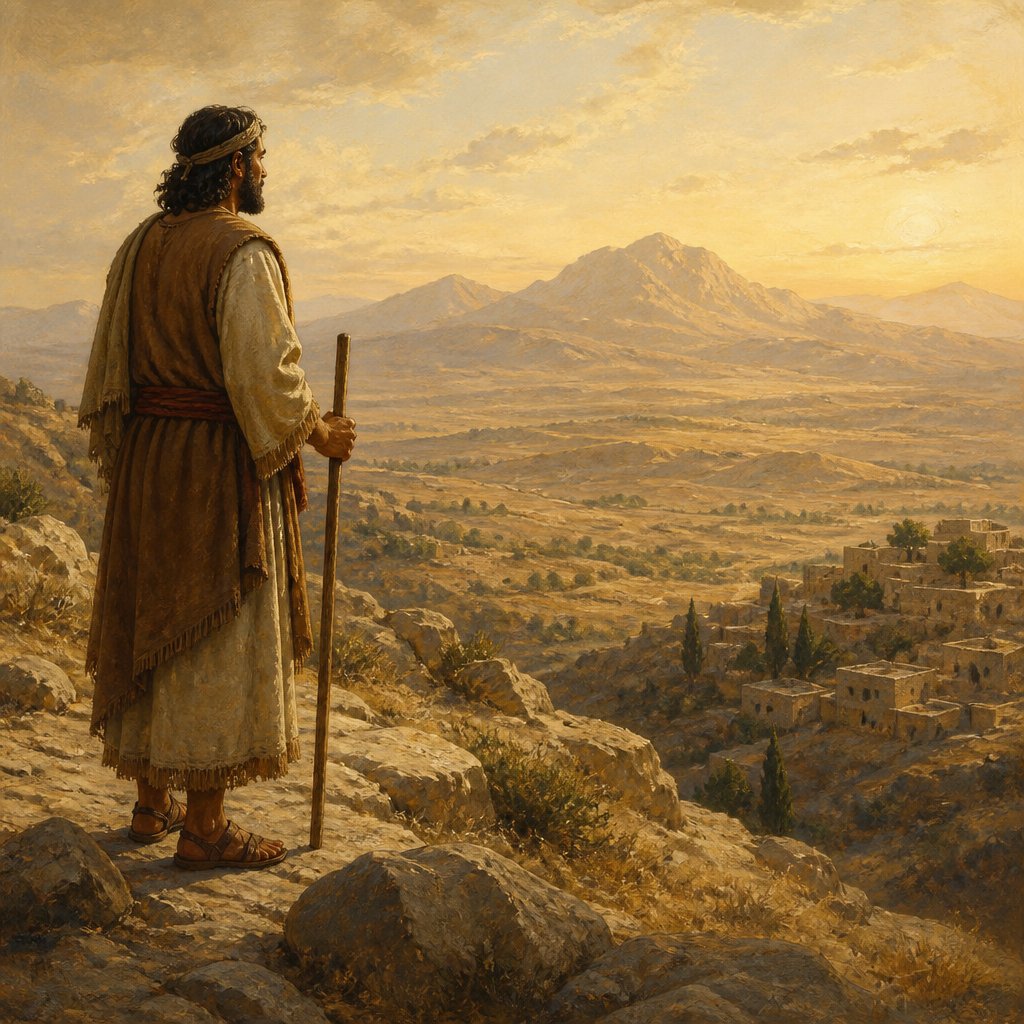
1 Chronicles 5:8 (KJV) - "And Bela the son of Azaz, the son of Shema, the son of Joel, who dwelt in Aroer, even unto Nebo and Baalmeon:"
The book of 1 Chronicles is an important historical text in the Bible, tracing the genealogy of the Israelites from Adam to the time of King David. This verse is part of a larger genealogical list, which can seem dull and uninteresting at first glance. However, upon careful examination, we can uncover important themes and lessons that are relevant to our lives today.
The verse begins by introducing Bela, the son of Azaz, the son of Shema, and the son of Joel. This genealogy is significant because it places Bela within a particular lineage, establishing his roots and ancestral heritage. In the Bible, genealogy is often used to trace the lineage of important figures and to demonstrate the fulfillment of prophecies. Bela's inclusion in this genealogy suggests that he is part of the chosen people, and his ancestors were significant in the history of Israel.
The verse continues by stating that Bela "dwelt in Aroer, even unto Nebo and Baalmeon." This geographical reference is not just a random detail, but it holds symbolic significance. Aroer was a city located in the territory of Reuben, one of the twelve tribes of Israel. Nebo and Baalmeon were also located in the same region. This geographical detail serves as a reminder of the inheritance of the land that was promised to the Israelites by God. It reinforces the theme of God's faithfulness and fulfillment of promises to His people.
Furthermore, the mention of Aroer, Nebo, and Baalmeon also points to the historical and political context of the time. These locations were strategic and important in the geopolitical landscape of ancient Israel. By mentioning these specific places, the verse serves as a historical record of the territories and boundaries of the Israelites. It conveys the idea that the Israelites were a nation with a defined land and a rich history.
Symbolically, the names of these places also hold significance. Aroer means "ruins" or "nakedness," while Nebo means "proclaimer" or "speaker." Baalmeon was a city dedicated to the pagan god Baal. These names carry symbolic meanings that can be applied to our spiritual lives. Aroer can represent the brokenness and desolation that sin brings, while Nebo can symbolize the need for proclaiming the truth and speaking out against injustice. Baalmeon serves as a reminder of the idols and false gods that we often worship instead of the true God.
In summary, 1 Chronicles 5:8 may seem like a simple genealogical verse, but it contains profound themes and symbolism. It emphasizes the importance of lineage and ancestral heritage, the faithfulness of God in fulfilling His promises, the historical and geopolitical context of ancient Israel, and the symbolic meanings of geographical locations. As we reflect on this verse, may we also consider the significance of our own spiritual lineage, the faithfulness of God in our lives, and the need to proclaim the truth and reject idolatry in our hearts.
Get our apps


Artwork for 1 Chronicles 5:8

1 Chronicles 5:8 - "And Bela the son of Azaz, the son of Shema, the son of Joel, who dwelt in Aroer, even unto Nebo and Baal-meon:"
"And Bela the son of Azaz, the son of Shema, the son of Joel, who dwelt in Aroer, even unto Nebo and Baal-meon:" - 1 Chronicles 5:8

1 Chronicles 8:5 - "And Gera, and Shephuphan, and Huram."

"And Gera, and Shephuphan, and Huram." - 1 Chronicles 8:5

2 Chronicles 5:8 - "For the cherubims spread forth their wings over the place of the ark, and the cherubims covered the ark and the staves thereof above."

Luke 8:5-8

1 Chronicles 5:5 - "Micah his son, Reaia his son, Baal his son,"

1 Chronicles 1:8 - "¶ The sons of Ham; Cush, and Mizraim, Put, and Canaan."

1 chronicles 12:8

1 Chronicles 8:31 - "And Gedor, and Ahio, and Zacher."

1 Chronicles 8:20 - "And Elienai, and Zilthai, and Eliel,"

1 Chronicles 8:19 - "And Jakim, and Zichri, and Zabdi,"

1 Chronicles 8:24 - "And Hananiah, and Elam, and Antothijah,"

1 Chronicles 8:26 - "And Shamsherai, and Shehariah, and Athaliah,"

1 Chronicles 8:22 - "And Ishpan, and Heber, and Eliel,"

1 Chronicles 2:8 - "And the sons of Ethan; Azariah."

1 Chronicles 8:14 - "And Ahio, Shashak, and Jeremoth,"

1 Chronicles 8:23 - "And Abdon, and Zichri, and Hanan,"

1 Chronicles 8:4 - "And Abishua, and Naaman, and Ahoah,"

1 Chronicles 8:15 - "And Zebadiah, and Arad, and Ader,"

1 Chronicles 14:5 - "And Ibhar, and Elishua, and Elpalet,"

1 Chronicles 8:2 - "Nohah the fourth, and Rapha the fifth."

1 Chronicles 3:8 - "And Elishama, and Eliada, and Eliphelet, nine."

1 Chronicles 8:17 - "And Zebadiah, and Meshullam, and Hezeki, and Heber,"

1 Chronicles 8:25 - "And Iphedeiah, and Penuel, the sons of Shashak;"

1 Chronicles 24:8 - "The third to Harim, the fourth to Seorim,"

1 Chronicles 2:5 - "The sons of Pharez; Hezron, and Hamul."

1 Chronicles 5:19 - "And they made war with the Hagarites, with Jetur, and Nephish, and Nodab."

1 Chronicles 8:21 - "And Adaiah, and Beraiah, and Shimrath, the sons of Shimhi;"

1 Chronicles 8:11 - "And of Hushim he begat Abitub, and Elpaal."