What does 1 Chronicles 6:66 mean?
“And the residue of the families of the sons of Kohath had cities of their coasts out of the tribe of Ephraim.” — 1 Chronicles 6:66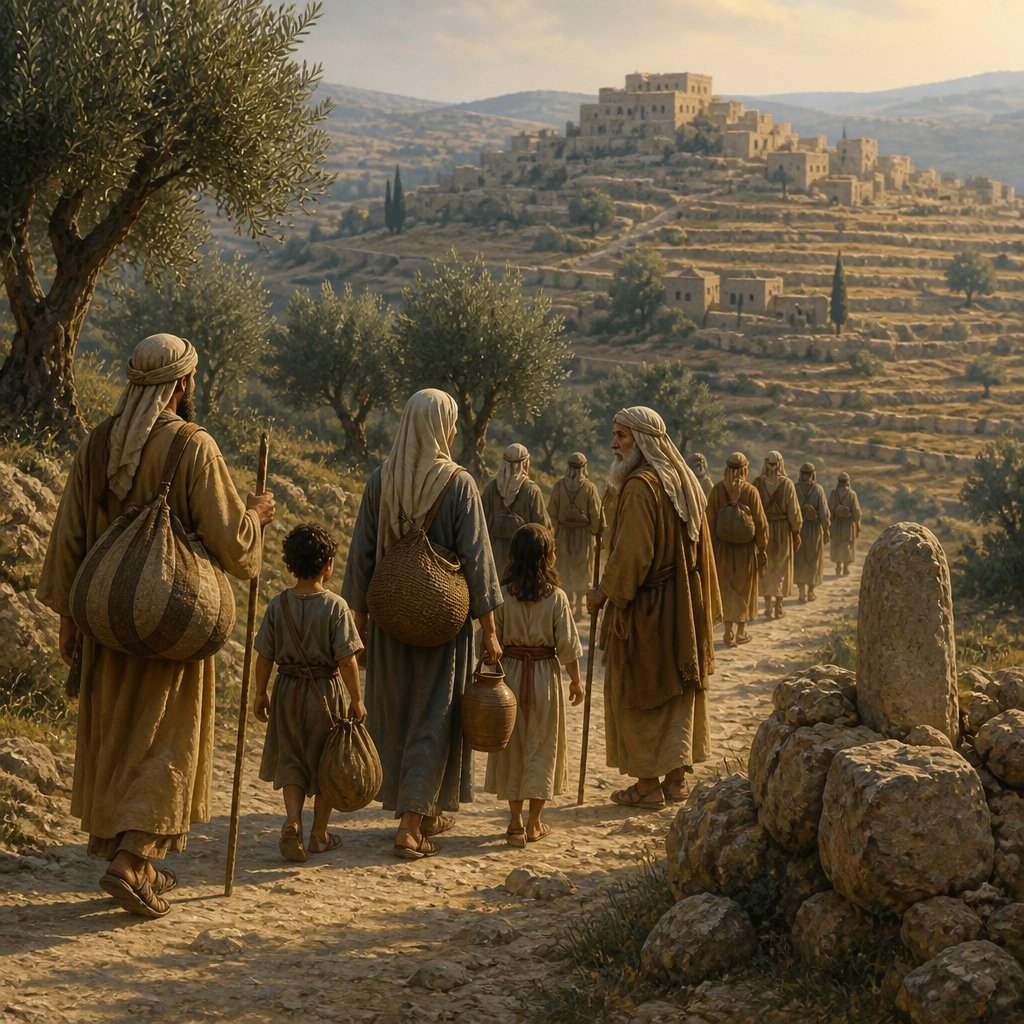
The verse 1 Chronicles 6:66 from the King James Version (KJV) reads: "And the residue of the families of the sons of Kohath had cities of their coasts out of the tribe of Ephraim." This verse is part of a larger passage that details the inheritance of the Levites, who were one of the twelve tribes of Israel. This particular verse specifically addresses the Kohathites, who were one of the three major divisions within the tribe of Levi.
To truly understand the meaning and significance of this verse, it is essential to delve into the historical and cultural context of the book of 1 Chronicles and the significance of the Levites within the larger narrative of the Bible.
The book of 1 Chronicles is a part of the Hebrew Bible and the Old Testament of the Christian Bible. It is a historical account that traces the genealogy of the Israelite people, with a particular focus on the lineage of King David. The book emphasizes the importance of the Davidic monarchy and the significance of the temple in Jerusalem as the center of worship and religious life for the Israelites.
Within this larger narrative, the Levites played a crucial role in the religious and social structure of ancient Israel. They were tasked with the spiritual and priestly duties, including the maintenance of the tabernacle and, later, the temple. The Kohathites were one of the Levitical clans and were responsible for transporting and caring for the sacred objects used in worship, such as the Ark of the Covenant.
In 1 Chronicles 6:66, the verse describes the allocation of land to the Kohathite Levites from the tribe of Ephraim. This allocation of land served both practical and symbolic purposes. On a practical level, it provided the Kohathites with physical space to dwell and carry out their priestly duties. Symbolically, it reinforced the idea of the Levites as a distinct and honored group within Israel, set apart for a sacred purpose.
This verse also underscores the theme of divine provision and faithfulness. Throughout the Bible, God's faithfulness to His people is a recurring theme, and the allocation of land to the Kohathites can be seen as a tangible demonstration of this faithfulness. It serves as a reminder that God fulfills His promises and provides for the needs of His people, even in the distribution of physical resources.
Furthermore, the verse highlights the interconnectedness of the tribes of Israel. Despite being part of the tribe of Levi, the Kohathites received their inheritance from the tribe of Ephraim. This interdependence reflects the unity of the Israelite people and the ways in which they supported one another within the larger community.
Symbolism also permeates this verse, as the inheritance of land can be seen as a metaphor for the spiritual inheritance of God's blessings. Throughout the Bible, land is often used as a symbol of God's abundant provision and the promised blessings of the covenant relationship between God and His people.
In conclusion, 1 Chronicles 6:66 from the King James Version carries profound meaning within the larger context of the Bible. It speaks to the historical, cultural, and spiritual significance of the Levites and their inheritance, while also conveying timeless themes of divine provision, interdependence, and the symbolic representation of God's blessings. This verse serves as a reminder of God's faithfulness and the importance of community and unity within the context of the chosen people of Israel.
Get our apps


Artwork for 1 Chronicles 6:66
1 Chronicles 6:66 - "And the residue of the families of the sons of Kohath had cities of their coasts out of the tribe of Ephraim."
"And the residue of the families of the sons of Kohath had cities of their coasts out of the tribe of Ephraim." - 1 Chronicles 6:66

1 Chronicles 6:6 - "And Uzzi begat Zerahiah, and Zerahiah begat Meraioth,"
"And Uzzi begat Zerahiah, and Zerahiah begat Meraioth," - 1 Chronicles 6:6

Isaiah 66:1

Isaiah 66:1-2

John 6:66 - "¶ From that time many of his disciples went back, and walked no more with him."






Isaiah 66:1-2

Isaiah 66:6 - "A voice of noise from the city, a voice from the temple, a voice of the LORD that rendereth recompence to his enemies."

Psalms 66:6 - "He turned the sea into dry land: they went through the flood on foot: there did we rejoice in him."

1 Chronicles 1:6 - "And the sons of Gomer; Ashchenaz, and Riphath, and Togarmah."

1 Chronicles 6:1 - "The sons of Levi; Gershon, Kohath, and Merari."
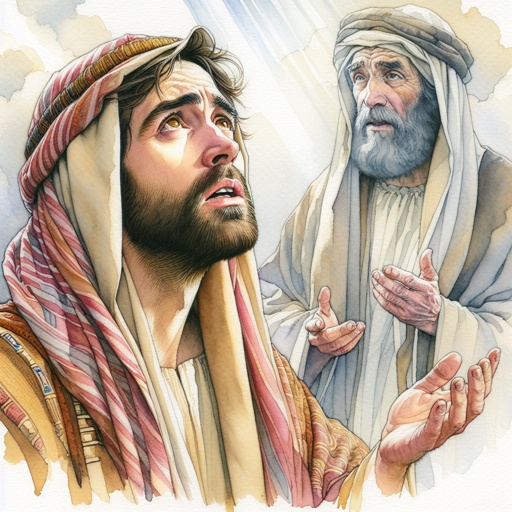
Peter said, ‘Lord, to whom shall we go?’ (Jn 6:66)

1 Chronicles 14:6 - "And Nogah, and Nepheg, and Japhia,"

2 Chronicles 6:6 - "But I have chosen Jerusalem, that my name might be there; and have chosen David to be over my people Israel."

Psalms 66:1 - "Make a joyful noise unto God, all ye lands:"

1 Chronicles 3:6 - "Ibhar also, and Elishama, and Eliphelet,"

1 Chronicles 6:25 - "And the sons of Elkanah; Amasai, and Ahimoth."

1 Chronicles 6:16 - "¶ The sons of Levi; Gershom, Kohath, and Merari."

1 Chronicles 6:17 - "And these be the names of the sons of Gershom; Libni, and Shimei."

1 Chronicles 6:28 - "And the sons of Samuel; the firstborn Vashni, and Abiah."
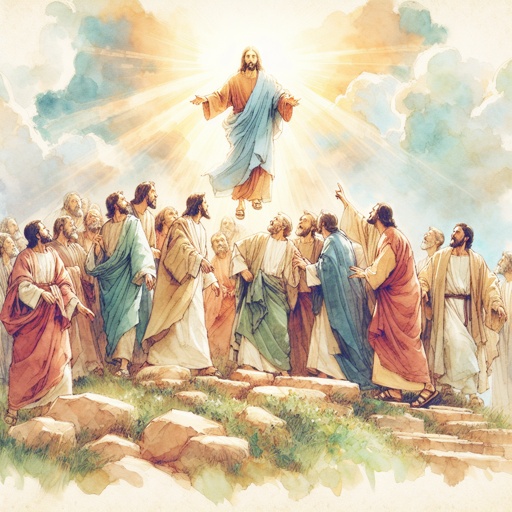
After saying this many of his disciples left him and stopped going with him. (Jn 6:66)

1 Chronicles 6:58 - "And Hilen with her suburbs, Debir with her suburbs,"

1 Chronicles 6:12 - "And Ahitub begat Zadok, and Zadok begat Shallum,"

1 Chronicles 6:45 - "The son of Hashabiah, the son of Amaziah, the son of Hilkiah,"