What does 1 Chronicles 6:76 mean?
“And out of the tribe of Naphtali; Kedesh in Galilee with her suburbs, and Hammon with her suburbs, and Kirjathaim with her suburbs.” — 1 Chronicles 6:76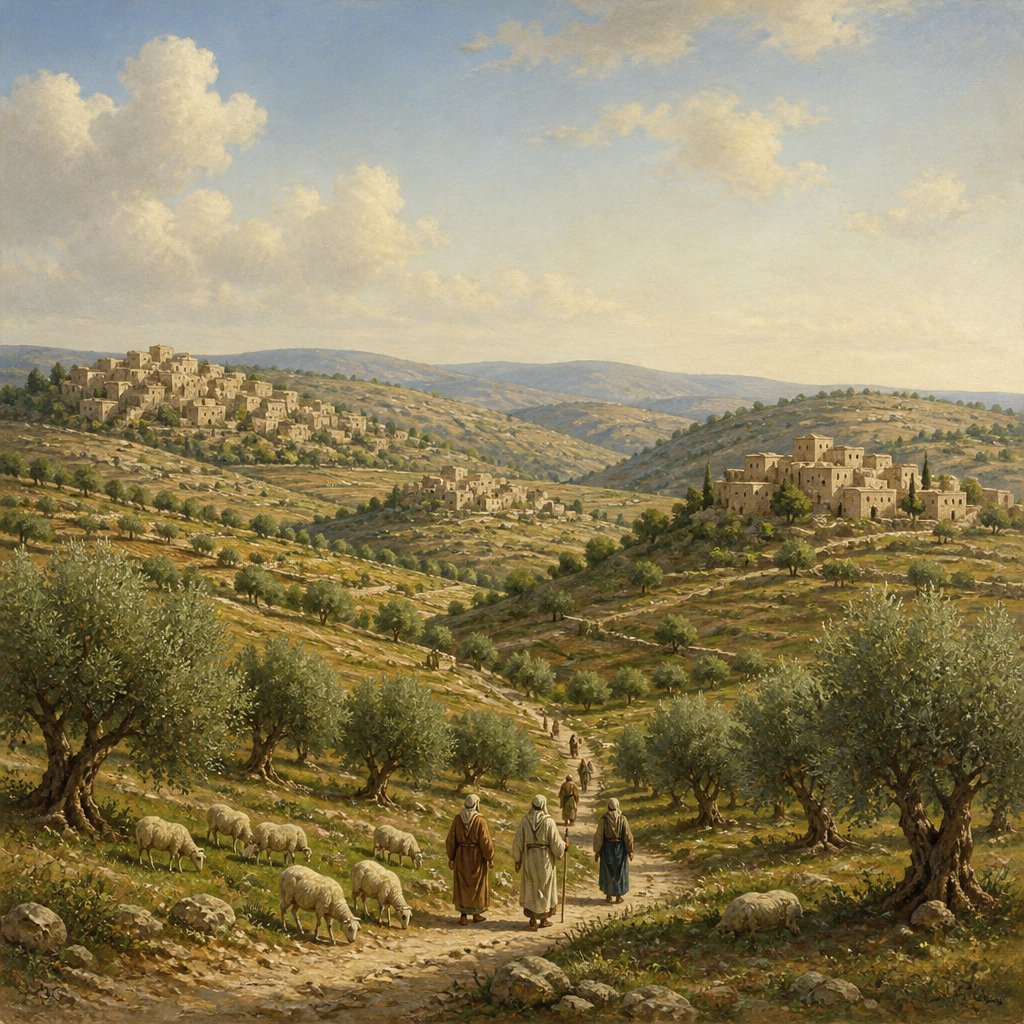
1 Chronicles 6:76 (KJV): "And out of the tribe of Naphtali; Kedesh in Galilee with her suburbs, and Hammon with her suburbs, and Kirjathaim with her suburbs."
This verse is part of a genealogical record found in the book of 1 Chronicles, which details the lineage of the Levites, who were the priestly tribe of Israel. The Levites were responsible for the religious rituals and ceremonies in the Israelite community and were allotted specific cities and land within the territory of the other tribes of Israel.
The specific mention of the tribe of Naphtali in this verse is significant because it is highlighting the inheritance of the Levites from that tribe. Kedesh, Hammon, and Kirjathaim are the cities that were given to the Levites from the tribe of Naphtali, along with their surrounding suburbs.
The city of Kedesh in Galilee holds historical significance as it was a city of refuge. In the Old Testament, the cities of refuge were designated as safe havens for those who unintentionally committed manslaughter. If someone accidentally killed another person, they could flee to one of these cities and seek protection from retaliation until a fair trial could be conducted. The mention of Kedesh in this verse serves as a reminder of God's provision for justice and mercy within the community.
Furthermore, the allocation of cities and suburbs to the Levites from the different tribes of Israel demonstrates the equitable distribution of resources and land among the various tribes. This reflects the importance of justice, fairness, and communal welfare within the Israelite society.
Symbolically, the inheritance of cities and suburbs by the Levites from the tribe of Naphtali represents the idea of consecration and separation to the service of God. The Levites were set apart for the sacred duties of the tabernacle and later the temple, and the cities and land assigned to them were to provide for their material needs so that they could fully dedicate themselves to their priestly responsibilities.
The larger context of this verse within the book of 1 Chronicles emphasizes the importance of preserving the historical and genealogical records of the Israelite community. The chronicling of the tribes, families, and cities serves to affirm the continuity and legitimacy of the priesthood and the worship practices in Israel. It also reinforces the notion of a covenantal relationship between God and His chosen people, as the allocation of land reflects God's faithfulness in fulfilling His promises to the descendants of Abraham, Isaac, and Jacob.
The themes of justice, provision, consecration, and covenantal faithfulness are prevalent throughout this verse and the surrounding text. It underscores the foundational principles upon which the Israelite community was established and operated. It also serves as a reminder to later generations of the importance of honoring God, adhering to His laws, and maintaining a sense of communal responsibility and unity.
In conclusion, 1 Chronicles 6:76 is not merely a historical record of land allocation to the Levites, but it carries deep spiritual and symbolic significance within the larger narrative of the Israelite community. It demonstrates God's faithfulness, justice, and provision for His people, as well as the requirement of consecration and dedication to His service. It also highlights the interconnectedness and unity of the various tribes and families within the nation of Israel.
Get our apps


Artwork for 1 Chronicles 6:76

1 Chronicles 6:76 - "And out of the tribe of Naphtali; Kedesh in Galilee with her suburbs, and Hammon with her suburbs, and Kirjathaim with her suburbs."
"And out of the tribe of Naphtali; Kedesh in Galilee with her suburbs, and Hammon with her suburbs, and Kirjathaim with her suburbs." - 1 Chronicles 6:76

Psalms 76:6 - "At thy rebuke, O God of Jacob, both the chariot and horse are cast into a dead sleep."

Psalms 76:1 - "In Judah is God known: his name is great in Israel."
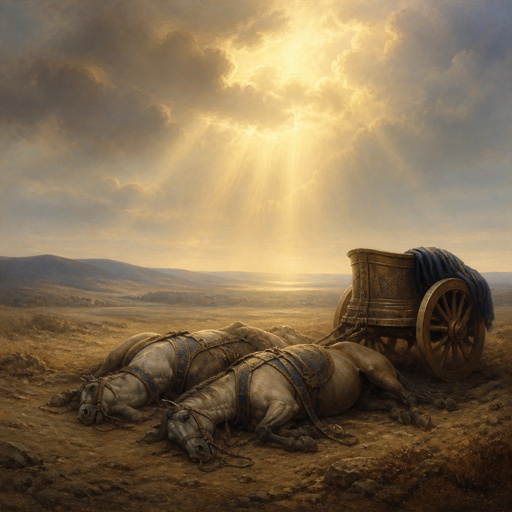
"At thy rebuke, O God of Jacob, both the chariot and horse are cast into a dead sleep." - Psalms 76:6
Psalm 76:10

Psalm 76:10

Luke 1:76 - "And thou, child, shalt be called the prophet of the Highest: for thou shalt go before the face of the Lord to prepare his ways;"

1 Chronicles 6:6 - "And Uzzi begat Zerahiah, and Zerahiah begat Meraioth,"
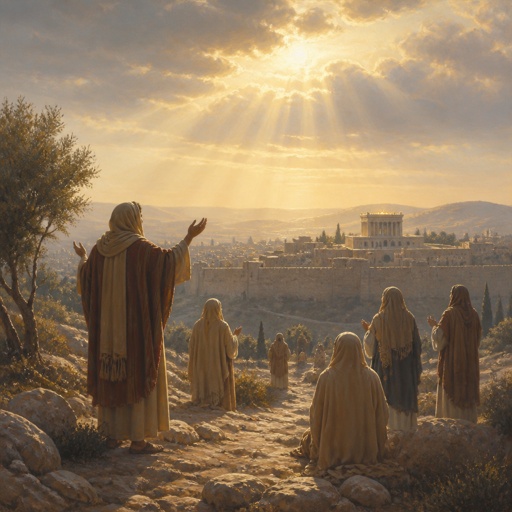
"In Judah is God known: his name is great in Israel." - Psalms 76:1
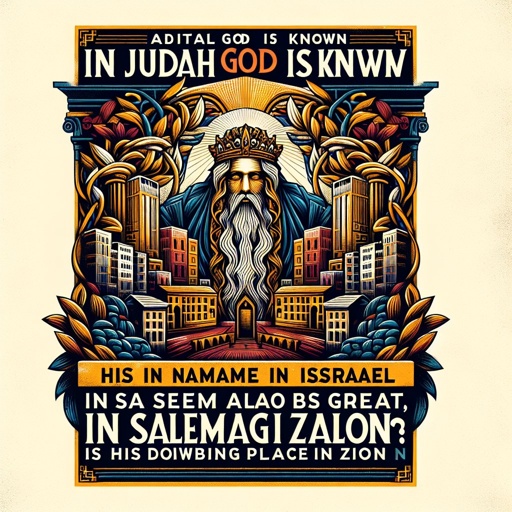
Psalm 76:1-2 - "In Judah God is known; His name is great in Israel. In Salem also is His tabernacle, and His dwelling place in Zion."

1 Chronicles 1:6 - "And the sons of Gomer; Ashchenaz, and Riphath, and Togarmah."

1 Chronicles 6:1 - "The sons of Levi; Gershon, Kohath, and Merari."

1 Chronicles 14:6 - "And Nogah, and Nepheg, and Japhia,"

1 Chronicles 7:6 - "¶ The sons of Benjamin; Bela, and Becher, and Jediael, three."

Numbers 7:76 - "One kid of the goats for a sin offering:"

1 Chronicles 3:6 - "Ibhar also, and Elishama, and Eliphelet,"

1 Chronicles 6:25 - "And the sons of Elkanah; Amasai, and Ahimoth."

1 Chronicles 6:16 - "¶ The sons of Levi; Gershom, Kohath, and Merari."

1 Chronicles 6:17 - "And these be the names of the sons of Gershom; Libni, and Shimei."

1 Chronicles 6:28 - "And the sons of Samuel; the firstborn Vashni, and Abiah."

1 Chronicles 6:14 - "And Azariah begat Seraiah, and Seraiah begat Jehozadak,"

1 Chronicles 6:58 - "And Hilen with her suburbs, Debir with her suburbs,"

1 Chronicles 6:12 - "And Ahitub begat Zadok, and Zadok begat Shallum,"

1 Chronicles 6:53 - "Zadok his son, Ahimaaz his son."

1 Chronicles 6:11 - "And Azariah begat Amariah, and Amariah begat Ahitub,"

1 Chronicles 6:5 - "And Abishua begat Bukki, and Bukki begat Uzzi,"

1 Chronicles 6:45 - "The son of Hashabiah, the son of Amaziah, the son of Hilkiah,"

1 Chronicles 6:9 - "And Ahimaaz begat Azariah, and Azariah begat Johanan,"

1 Chronicles 6:41 - "The son of Ethni, the son of Zerah, the son of Adaiah,"