What does 1 Chronicles 7:14 mean?
“The sons of Manasseh; Ashriel, whom she bare: ( but his concubine the Aramitess bare Machir the father of Gilead:” — 1 Chronicles 7:14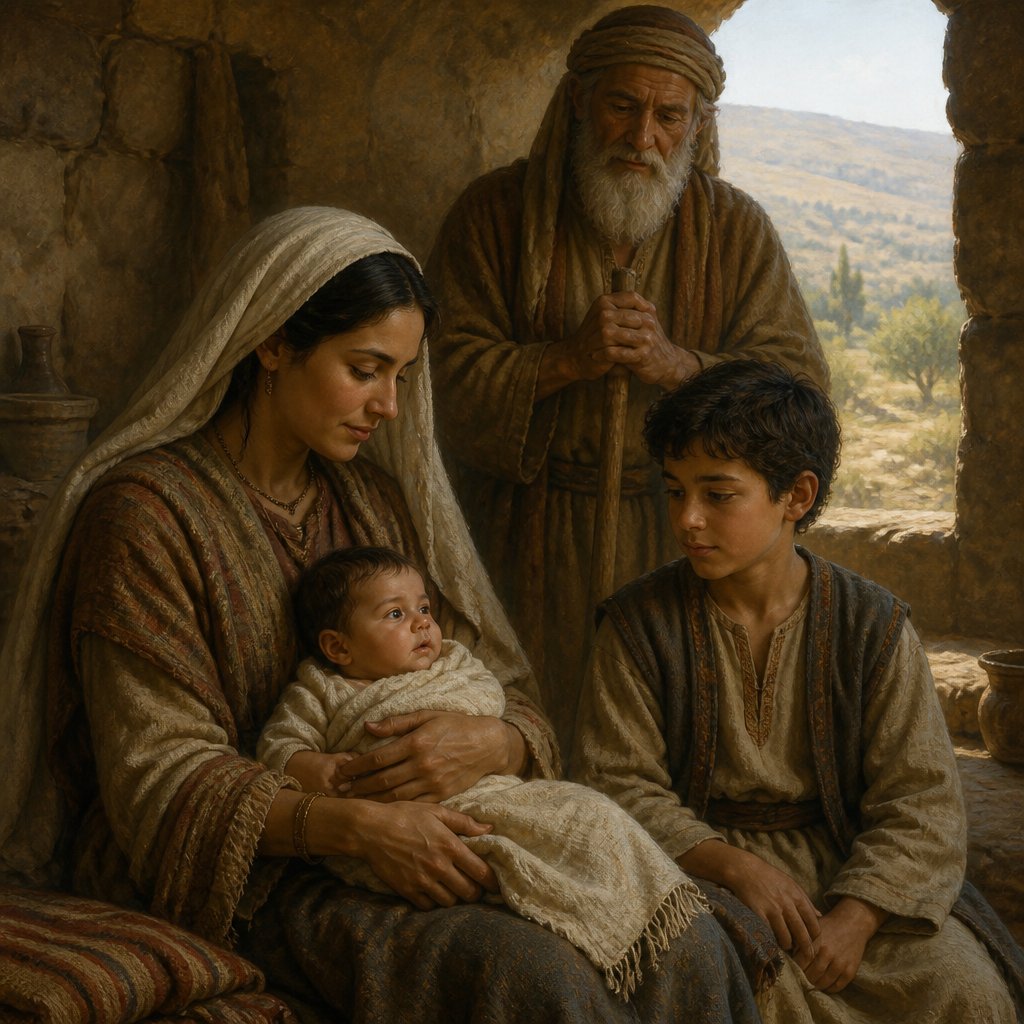
1 Chronicles 7:14 (KJV) - "The sons of Manasseh; Ashriel, whom she bare: (but his concubine the Aramitess bare Machir the father of Gilead:)"
Context:
1 Chronicles 7:14 is a part of the genealogy of the tribe of Manasseh. The book of 1 Chronicles, often called the "chronicles of the whole history of Israel," is a record of the genealogies of the Israelites and their history, from the time of Adam to the return from Babylonian captivity. This verse specifically highlights the descendants of Manasseh and is a part of the larger genealogical record found in 1 Chronicles 7.
Commentary:
This verse is a relatively short one and may seem insignificant at first, but it provides insight into the complexities and intricacies of ancient familial structures, especially in relation to concubinage. The verse mentions Ashriel, the son born to Manasseh’s wife, and Machir, the son born to his concubine, the Aramitess. This distinction is important as it sheds light on the social and familial dynamics of the time.
Machir is noted as the father of Gilead, which may indicate his importance and influence within the tribe of Manasseh. The mention of the concubine’s son alongside the legitimate son also reflects the reality of concubinage in ancient Israel. This verse serves as a reminder of the patriarchal nature of ancient societies and the value placed on lineage and inheritance.
Additionally, the inclusion of this verse within the larger genealogical record of 1 Chronicles serves to emphasize the continuity of the lineage of Manasseh. The meticulous recording of genealogies was an important aspect of Israelite society, as it established a sense of identity and heritage. The fact that these records were preserved and included in the biblical narrative underscores their significance.
Symbolism:
The verse can also be seen as symbolic of the complexities and imperfections within family dynamics. The mention of a concubine and her son alongside the legitimate wife and her son serves as a reminder that the human experience is often messy and does not always adhere to societal ideals or norms. This mirrors the broader biblical narrative, which is replete with flawed characters and imperfect situations.
The verse may also symbolize the idea of inclusivity and acceptance within the family structure. Despite the cultural norms and expectations of the time, both Ashriel and Machir are acknowledged within the genealogical record. This can be seen as a reflection of God's grace and the value He places on all individuals, regardless of their social standing or circumstances of birth.
Themes:
The themes present in this verse revolve around family, lineage, and societal structures. The emphasis on the genealogy of Manasseh highlights the importance of ancestry and heritage within Israelite society. The verse also touches on the themes of patriarchy, concubinage, and the complexities of family relationships, providing a glimpse into the social dynamics of the time.
In conclusion, while 1 Chronicles 7:14 may appear to be a simple genealogical record, it holds within it rich insight into the familial, social, and cultural landscape of ancient Israel. It serves as a poignant reminder of the complexities of human relationships and the inclusivity of God's grace within the biblical narrative.
Get our apps


Artwork for 1 Chronicles 7:14

1 Chronicles 7:14 - "¶ The sons of Manasseh; Ashriel, whom she bare: (but his concubine the Aramitess bare Machir the father of Gilead:"

"¶ The sons of Manasseh; Ashriel, whom she bare: (but his concubine the Aramitess bare Machir the father of Gilead:" - 1 Chronicles 7:14

2 chronicles 7:14

2 chronicles 7:14

1 Chronicles 14:7 - "And Elishama, and Beeliada, and Eliphalet."

"And Elishama, and Beeliada, and Eliphalet." - 1 Chronicles 14:7

Humble ourselves and pray 2 Chronicles 7:14

1 Chronicles 1:14 - "The Jebusite also, and the Amorite, and the Girgashite,"

1 Chronicles 14:6 - "And Nogah, and Nepheg, and Japhia,"

1 Chronicles 8:14 - "And Ahio, Shashak, and Jeremoth,"

1 Chronicles 14:5 - "And Ibhar, and Elishua, and Elpalet,"

1 Chronicles 24:14 - "The fifteenth to Bilgah, the sixteenth to Immer,"

1 Chronicles 2:14 - "Nethaneel the fourth, Raddai the fifth,"

1 Chronicles 1:7 - "And the sons of Javan; Elishah, and Tarshish, Kittim, and Dodanim."

1 Chronicles 3:7 - "And Nogah, and Nepheg, and Japhia,"

1 Chronicles 7:27 - "Non his son, Jehoshua his son."

1 Chronicles 6:14 - "And Azariah begat Seraiah, and Seraiah begat Jehozadak,"

1 Chronicles 3:14 - "Amon his son, Josiah his son."

1 Chronicles 14:9 - "And the Philistines came and spread themselves in the valley of Rephaim."

1 Chronicles 23:7 - "¶ Of the Gershonites were, Laadan, and Shimei."

1 Chronicles 14:13 - "And the Philistines yet again spread themselves abroad in the valley."

1 Chronicles 7:39 - "And the sons of Ulla; Arah, and Haniel, and Rezia."

1 Chronicles 7:38 - "And the sons of Jether; Jephunneh, and Pispah, and Ara."

1 Chronicles 12:7 - "And Joelah, and Zebadiah, the sons of Jeroham of Gedor."

1 Samuel 14:7

1 Chronicles 7:1 - "Now the sons of Issachar were, Tola, and Puah, Jashub, and Shimron, four."

"The Jebusite also, and the Amorite, and the Girgashite," - 1 Chronicles 1:14

1 Chronicles 7:18 - "And his sister Hammoleketh bare Ishod, and Abiezer, and Mahalah."

1 Chronicles 16:14 - "He is the LORD our God; his judgments are in all the earth."

1 Chronicles 7:6 - "¶ The sons of Benjamin; Bela, and Becher, and Jediael, three."