What does 1 Chronicles 8:18 mean?
“Ishmerai also, and Jezliah, and Jobab, the sons of Elpaal;” — 1 Chronicles 8:18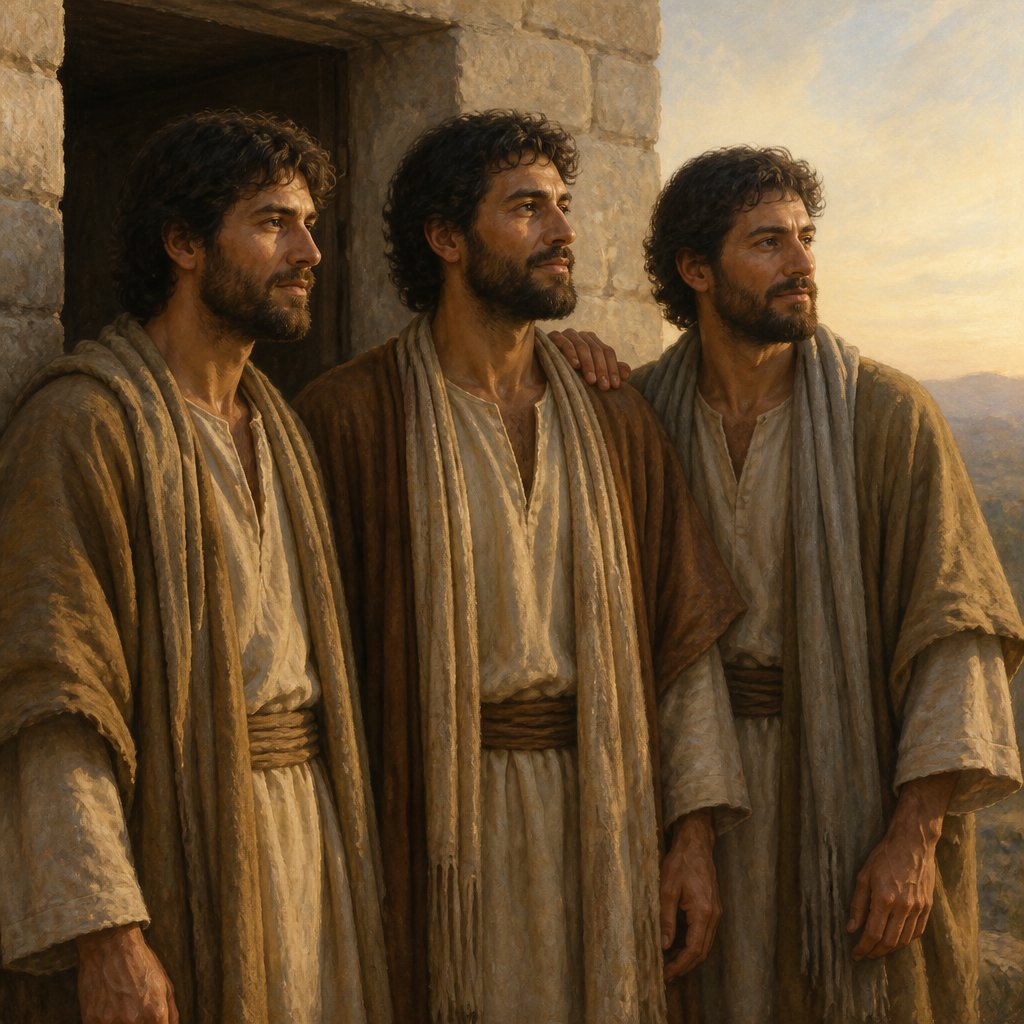
1 Chronicles 8:18 (KJV) – "Ishmerai also, and Jezliah, and Jobab, the sons of Elpaal."
The book of 1 Chronicles is a historical account that focuses on the lineage of the Israelites from Adam to the time of King David. This particular verse is part of a genealogy of Benjamin, one of the twelve sons of Jacob (also known as Israel), and it lists the descendants of Elpaal.
In order to truly understand the significance of this verse, we must first examine the context in which it is found. The genealogies in the Bible served several important functions. First and foremost, they were a way of preserving the history and lineage of the Israelite people. They also played a vital role in establishing the legitimacy of certain individuals or families. For instance, being able to trace one's lineage back to a specific tribe or ancestor was often crucial in determining one's social status, rights, and privileges within Israelite society.
The genealogy in 1 Chronicles 8:18 specifically serves to establish the descendants of Elpaal, a member of the tribe of Benjamin. This family line is important because it represents a continuation of the legacy of the tribe of Benjamin, one of the twelve tribes of Israel. By recording the names of Elpaal's sons – Ishmerai, Jezliah, and Jobab – this verse is not only providing a historical record, but also affirming the ongoing presence and significance of the tribe of Benjamin within the larger framework of Israelite history.
In addition to its historical significance, this verse also carries important symbolic and thematic meaning. Throughout the Bible, genealogies are often used to convey broader spiritual truths and themes. For example, they can emphasize the faithfulness of God in preserving a remnant of His people, or the fulfillment of God's promises to a particular lineage. In this verse, the names of Elpaal's sons themselves hold symbolic meaning. "Ishmerai" means "God keeps watch," "Jezliah" means "whom God apportions," and "Jobab" means "howler" or "he that cries aloud." These names reflect the Israelite belief in God's providence and care for His people, as well as the idea of God's divine allocation and provision. The name "Jobab" may also denote a sense of calling out to God in times of need.
Furthermore, this verse showcases the biblical theme of continuity and faithfulness. The fact that the lineage of Elpaal is recorded in the Bible demonstrates the enduring nature of God's covenant with His people. Despite the challenges, trials, and tribulations faced by the Israelites, their legacy endures through the preservation of their lineage.
Another underlying theme in this verse is the concept of identity and belonging. The genealogies in the Bible not only provide a historical record, but they also reinforce the sense of communal identity and belonging for the Israelites. By tracing their lineage back to a specific ancestor, the Israelites were able to connect with their shared history and heritage, reinforcing the bonds of kinship and solidarity within the community.
In conclusion, 1 Chronicles 8:18 may appear as a simple verse listing the names of Elpaal's sons, but it holds profound significance within the larger context of the biblical narrative. It serves as a testament to the enduring legacy of the tribe of Benjamin, as well as a reflection of broader spiritual truths such as God's providence, faithfulness, and the importance of communal identity and belonging. As with many genealogical passages in the Bible, this verse serves as a reminder of the rich history and heritage of God's people, and the continuation of His covenant throughout generations.
Get our apps


Artwork for 1 Chronicles 8:18

1 Chronicles 8:18 - "Ishmerai also, and Jezliah, and Jobab, the sons of Elpaal;"
"Ishmerai also, and Jezliah, and Jobab, the sons of Elpaal;" - 1 Chronicles 8:18

1 Chronicles 18:8 - "Likewise from Tibhath, and from Chun, cities of Hadarezer, brought David very much brass, wherewith Solomon made the brasen sea, and the pillars, and the vessels of brass."

1 Chronicles 1:18 - "And Arphaxad begat Shelah, and Shelah begat Eber."

2 Chronicles 18:8 - "And the king of Israel called for one of his officers, and said, Fetch quickly Micaiah the son of Imla."

1 Chronicles 23:18 - "Of the sons of Izhar; Shelomith the chief."

1 Chronicles 1:8 - "¶ The sons of Ham; Cush, and Mizraim, Put, and Canaan."

1 Chronicles 8:31 - "And Gedor, and Ahio, and Zacher."

1 Chronicles 8:20 - "And Elienai, and Zilthai, and Eliel,"

1 Chronicles 8:19 - "And Jakim, and Zichri, and Zabdi,"

1 Chronicles 8:24 - "And Hananiah, and Elam, and Antothijah,"

1 chronicles 12:8

1 Chronicles 24:18 - "The three and twentieth to Delaiah, the four and twentieth to Maaziah."

1 Chronicles 26:18 - "At Parbar westward, four at the causeway, and two at Parbar."

1 Chronicles 8:2 - "Nohah the fourth, and Rapha the fifth."

1 Chronicles 8:26 - "And Shamsherai, and Shehariah, and Athaliah,"

1 Chronicles 8:5 - "And Gera, and Shephuphan, and Huram."

1 Chronicles 8:22 - "And Ishpan, and Heber, and Eliel,"

1 Chronicles 2:8 - "And the sons of Ethan; Azariah."

1 Chronicles 8:14 - "And Ahio, Shashak, and Jeremoth,"

1 Chronicles 8:23 - "And Abdon, and Zichri, and Hanan,"

1 Chronicles 8:4 - "And Abishua, and Naaman, and Ahoah,"

1 Chronicles 8:15 - "And Zebadiah, and Arad, and Ader,"

Luke 8:4-18

1 Chronicles 3:8 - "And Elishama, and Eliada, and Eliphelet, nine."

1 Chronicles 8:11 - "And of Hushim he begat Abitub, and Elpaal."

1 Chronicles 3:18 - "Malchiram also, and Pedaiah, and Shenazar, Jecamiah, Hoshama, and Nedabiah."

1 Chronicles 7:18 - "And his sister Hammoleketh bare Ishod, and Abiezer, and Mahalah."

1 Chronicles 6:18 - "And the sons of Kohath were, Amram, and Izhar, and Hebron, and Uzziel."

1 Chronicles 8:17 - "And Zebadiah, and Meshullam, and Hezeki, and Heber,"