What does 1 Corinthians 1:29 mean?
“That no flesh should glory in his presence.” — 1 Corinthians 1:29
1 Corinthians 1:29 (KJV) reads: "That no flesh should glory in his presence."
This verse from the first book of Corinthians is part of a larger passage in which the Apostle Paul addresses the divisions and worldly wisdom that were causing strife and disunity within the Corinthian church. In the preceding verses, Paul emphasizes that God intentionally chose the weak and foolish in the world's eyes to shame the strong and wise. He emphasizes that God chose the "base things of the world, and things which are despised... that no flesh should glory in his presence" (1 Corinthians 1:28-29, KJV).
The overarching theme of this verse is the idea of humility before God. It embodies the concept that human pride and boasting have no place in the presence of God. Throughout the Bible, humility is extolled as a virtue, and this verse serves as a reminder that true wisdom and strength come from God, not from human achievements or worldly standards.
The context of 1 Corinthians 1:29 is important in understanding its full significance. The city of Corinth was known for its wealth, diversity, and intellectualism. The church in Corinth was made up of both Jews and Gentiles, as well as people from various socio-economic backgrounds. This diversity led to conflicts and divisions within the church, as people began to boast about their spiritual knowledge, gifts, and abilities. Paul's letter addresses these issues and reminds the Corinthians that their true identity and strength come from their unity in Christ, not their individual accomplishments or statuses.
In this verse, the phrase "flesh should glory in his presence" is symbolic of human pride and self-reliance. Throughout the Bible, "flesh" is often used to represent human weakness and sinfulness. In this context, "glory" refers to boasting or taking credit for something. The verse emphasizes that in the presence of God, human boasting and pride are meaningless. It is a call to humility and recognition of God's sovereignty and power.
The larger theological significance of this verse ties into the broader Christian understanding of salvation by grace. The idea that "no flesh should glory in his presence" speaks to the fact that salvation is not earned by human merit or achievement. Instead, it is a free gift given by God through faith in Jesus Christ. This verse aligns with the biblical teaching that salvation is by grace alone, apart from works, so that no one can boast (Ephesians 2:8-9).
Furthermore, 1 Corinthians 1:29 also points to the idea of God using the weak and humble things of the world to confound the wise and mighty. This concept echoes throughout the Bible, from the story of David and Goliath to the teachings of Jesus about the importance of childlike faith. It reminds believers that God's ways are often contrary to human wisdom, and he often chooses the overlooked and undervalued to accomplish his purposes.
In conclusion, 1 Corinthians 1:29 serves as a powerful reminder of the need for humility and reliance on God. It addresses the human tendency to boast and take credit for accomplishments, emphasizing that true wisdom and strength come from God alone. This verse challenges believers to recognize their own limitations and to boast only in the Lord. It also points to the profound truth of salvation by grace, highlighting the futility of human efforts to earn favor with God. Ultimately, 1 Corinthians 1:29 serves as a call to humility and a recognition of God's sovereignty and power in the lives of believers.
Get our apps


Artwork for 1 Corinthians 1:29

1 Corinthians 1:29 - "That no flesh should glory in his presence."

"That no flesh should glory in his presence." - 1 Corinthians 1:29

1 Corinthians 11:26-29

1 Corinthians 11:26-29

1 Corinthians 14:29 - "Let the prophets speak two or three, and let the other judge."

1 Corinthians 12:29 - "Are all apostles? are all prophets? are all teachers? are all workers of miracles?"

1 Corinthians 1:28-29 - "God chose what is low and despised in the world, even things that are not, to bring to nothing things that are, so that no human being might boast in the presence of God."

1 Corinthians 7:29 - "But this I say, brethren, the time is short: it remaineth, that both they that have wives be as though they had none;"

1 Corinthians 15:29 - "Else what shall they do which are baptized for the dead, if the dead rise not at all? why are they then baptized for the dead?"

1 Corinthians 10:29 - "Conscience, I say, not thine own, but of the other: for why is my liberty judged of another man's conscience?"

1 Corinthians 11:29 - "For he that eateth and drinketh unworthily, eateth and drinketh damnation to himself, not discerning the Lord's body." The image should not depict explicit or offensive content but be symbolic.

"Let the prophets speak two or three, and let the other judge." - 1 Corinthians 14:29
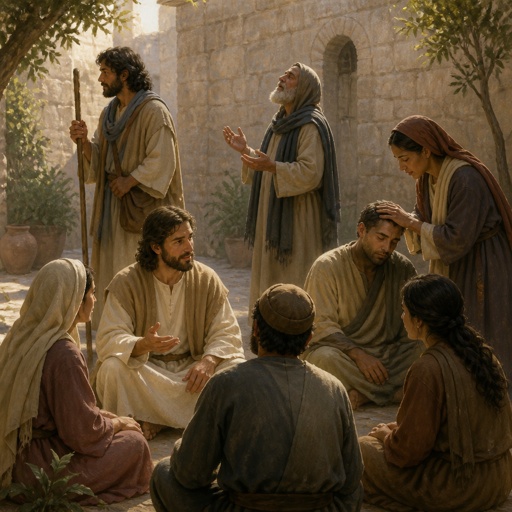
"Are all apostles? are all prophets? are all teachers? are all workers of miracles?" - 1 Corinthians 12:29

1 Corinthians 1:19-20

1 Corinthians 1:19-20

1 Corinthians 1:19-20

1 Corinthians 1:19-20

1 Corinthians 1:19-20

1 Corinthians 1:19-20

1 Corinthians 1:19-20

1 Corinthians 1:19-20

1 Corinthians 1:19-20

1 Corinthians 1:19-20
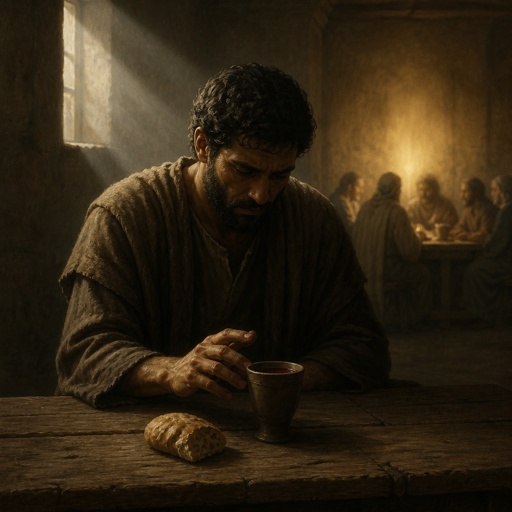
"For he that eateth and drinketh unworthily, eateth and drinketh damnation to himself, not discerning the Lord's body." - 1 Corinthians 11:29

"But this I say, brethren, the time is short: it remaineth, that both they that have wives be as though they had none;" - 1 Corinthians 7:29

1 Corinthians 1:19-20

1 Corinthians 1:19-20

1 Corinthians 1:19-20

1 Corinthians 1:19-20

1 Corinthians 1:19-20