What does 1 Corinthians 1:30-31 mean?
“But of him are ye in Christ Jesus, who of God is made unto us wisdom, and righteousness, and sanctification, and redemption: That, according as it is written, He that glorieth, let him glory in the Lord.” — 1 Corinthians 1:30-31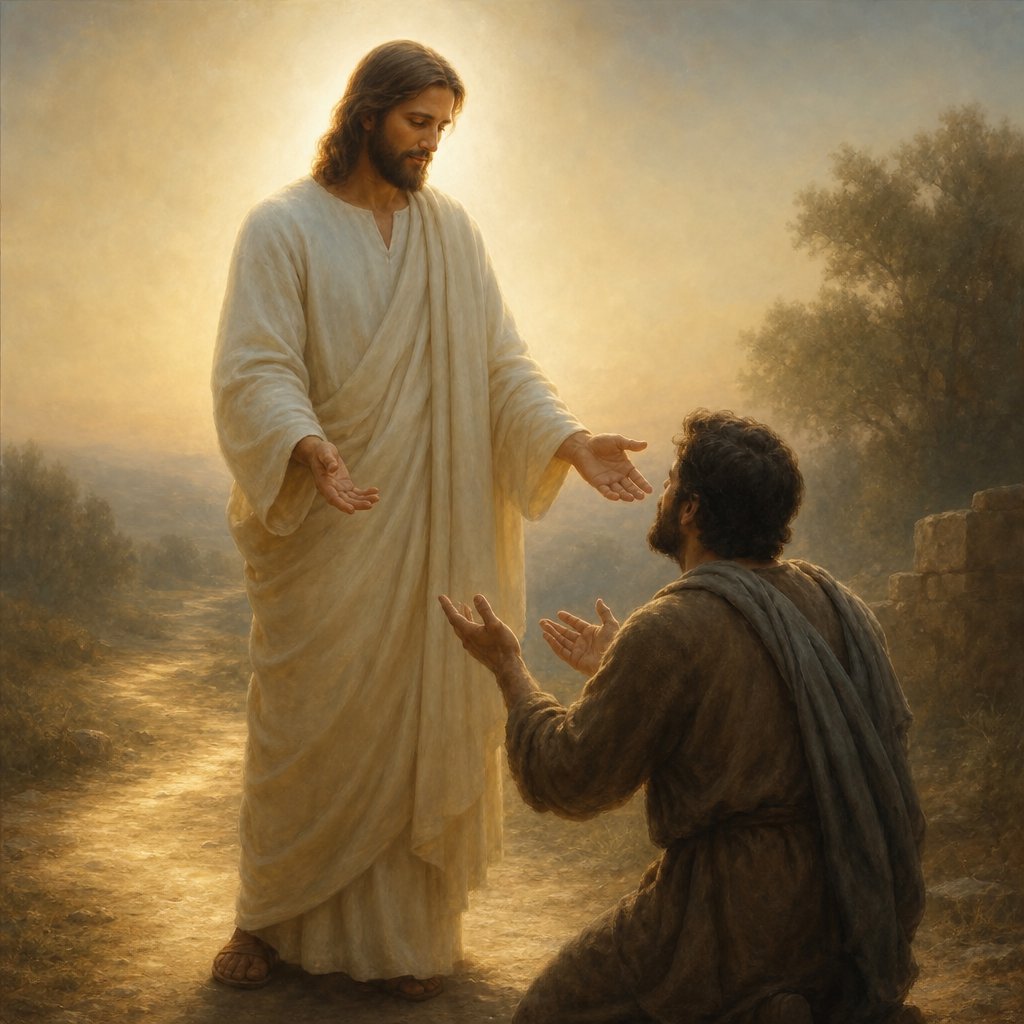
“Of him are ye in Christ Jesus, who of God is made unto us wisdom, and righteousness, and sanctification, and redemption: That, according as it is written, He that glorieth, let him glory in the Lord.” In 1 Corinthians 1:30–31, Paul gathers up the whole argument he has been pressing since the beginning of the chapter and states it as a single, decisive conclusion: the Christian’s standing, life, and hope do not begin in human capacity and do not end in human praise. They begin “of him,” they are secured “in Christ Jesus,” and they result in glorying “in the Lord.”
The immediate context is Paul’s correction of the Corinthian desire to boast in men and to divide themselves by human names, gifts, and philosophies. Earlier in the chapter he contrasts “the wisdom of this world” with “the foolishness of preaching,” showing that God has chosen what appears weak and foolish in the eyes of worldly judgment in order to overturn human pride. When he reaches these verses, he turns from argument to confession. He is not merely telling them what they should stop doing; he is telling them who they are and why. Their identity is not a personal achievement but a divine act: “Of him are ye in Christ Jesus.” The phrase places God as the source and initiator. The Corinthians’ temptation was to speak as though their church life were built on human teachers or human insight; Paul insists that their true origin is God himself, and their true location is “in Christ Jesus.” To be “in Christ” in Paul’s language is covenantal and relational, not merely intellectual: it describes a new sphere of life, a new belonging, a union that redefines status before God and among the people of God.
When Paul says Christ “of God is made unto us” these things, he is not listing abstract ideas but describing Christ as God’s provided reality for the believer. Each word—“wisdom,” “righteousness,” “sanctification,” and “redemption”—speaks into the very area where human beings instinctively try to supply themselves, and each word answers the Corinthian impulse to self-exaltation.
“Wisdom” in this chapter is charged with meaning because Corinth prized eloquence and philosophical sophistication. Paul has already said, “Christ crucified” is to Greeks “foolishness,” yet it is “the power of God, and the wisdom of God.” Here he tightens that claim: Christ himself “is made unto us wisdom.” The symbolism is striking. Wisdom is not presented as a ladder climbed by clever minds, but as a person given by God. The cross, which the world reads as shameful and irrational, is revealed as the place where God’s true wisdom is displayed—wisdom that saves rather than merely impresses. In other words, the believer’s deepest understanding of God and reality is not an achievement of the intellect but a gift mediated through Christ.
“Righteousness” speaks to standing and acceptance. In Scripture, righteousness is not merely the idea of moral improvement; it is the rightness of relationship and the rightness of status before God. Against human boasting, Paul sets a righteousness that is not self-generated. Christ is “made unto us… righteousness,” meaning that what qualifies a person before God is found in Christ, not in pedigree, religious performance, or the approval of a social group. This also confronts the Corinthian tendency to measure spirituality by outward markers and party alignment. If righteousness is in Christ, no one can boast as though he has manufactured his own acceptance.
“Sanctification” addresses the ongoing transformation of life. If righteousness speaks to being set right with God, sanctification speaks to being set apart to God. The Corinthians were struggling with moral and spiritual disorder, and they were tempted to treat sanctity as either optional or as a badge of superiority. Paul locates sanctification in Christ as God’s provision. The symbolism here is temple language without needing to name the temple: sanctification is separation from what is common and consecration to what is holy. Yet the power and pattern of that holiness is not human willpower; it is Christ given to the believer. This prevents despair on one side and pride on the other: sanctification is real and necessary, but it is received and worked out under the supply of Christ rather than paraded as personal achievement.
“Redemption” brings the thought to its climax. Redemption is the language of purchase, deliverance, and release—often tied in Scripture to being brought out of bondage by the payment of a price. In a city and empire where slavery and patronage were everyday realities, “redemption” would carry concrete weight: it implies that believers do not belong to themselves or to the powers that once held them. Christ is “made unto us… redemption,” meaning he is not only the one who teaches, justifies, and sanctifies, but the one who actually liberates and claims his people. This word gathers the whole saving work of God into a single image of deliverance, and it also points forward, because redemption in Paul often carries both the accomplished rescue and the final completion of that rescue. The believer’s hope, therefore, is not a fragile optimism grounded in human strength; it is anchored in Christ’s deliverance.
All of this leads directly to verse 31: “That, according as it is written, He that glorieth, let him glory in the Lord.” Paul seals his point by appealing to Scripture, showing that this is not his private opinion but the consistent purpose of God. The logic is moral as well as theological: if God is the source (“Of him”), Christ is the sphere (“in Christ Jesus”), and Christ is the substance of every saving benefit (“made unto us wisdom, and righteousness, and sanctification, and redemption”), then boasting in the self is exposed as falsehood. The only legitimate “glorying” is in “the Lord,” because only the Lord can rightly receive credit for what the Lord alone has done.
The significance of the passage, therefore, is that it relocates the center of the Christian life. It tells the Corinthian church—and any church tempted to measure itself by talent, status, learning, or spiritual display—that God intentionally designed salvation so that human pride would be emptied and divine grace would be magnified. The verse is not merely devotional comfort; it is a reordering of values. It says that the believer’s wisdom is not a trophy, the believer’s righteousness is not a wage, the believer’s sanctification is not a performance, and the believer’s redemption is not a self-rescue. Everything is “of him,” given in Christ, so that the only true boast is worship: “He that glorieth, let him glory in the Lord.”
Get our apps


Artwork for 1 Corinthians 1:30-31

1 Corinthians 1:30-31 - "But of him are ye in Christ Jesus, who of God is made unto us wisdom, and righteousness, and sanctification, and redemption: That, according as it is written, He that glorieth, let him glory in the Lord."

"But of him are ye in Christ Jesus, who of God is made unto us wisdom, and righteousness, and sanctification, and redemption: That, according as it is written, He that glorieth, let him glory in the Lord." - 1 Corinthians 1:30-31

Matthew 24:30-31

Matthew 24:30-31

Matthew 24:30-31

Matthew 24:30-31

Matthew 24:30-31

Matthew 24:30-31

Matthew 24:30-31

Matthew 24:30-31

Matthew 24:30-31

Matthew 24:30-31

1 Corinthians 1:31 - "That, according as it is written, He that glorieth, let him glory in the Lord."

1 Corinthians 1:30 - "But of him are ye in Christ Jesus, who of God is made unto us wisdom, and righteousness, and sanctification, and redemption:"

1 Kings 11:30-31

1 Kings 11:30-31

1 Kings 11:30-31

1 Corinthians 11:31 - "For if we would judge ourselves, we should not be judged."

1 Corinthians 7:31 - "And they that use this world, as not abusing it: for the fashion of this world passeth away."

1 Corinthians 15:30 - "And why stand we in jeopardy every hour?"

1 Corinthians 11:30 - "For this cause many are weak and sickly among you, and many sleep."

1 Corinthians 7:30 - "And they that weep, as though they wept not; and they that rejoice, as though they rejoiced not; and they that buy, as though they possessed not;"

1 Corinthians 14:30 - "If any thing be revealed to another that sitteth by, let the first hold his peace."

1 Corinthians 14:31 - "For ye may all prophesy one by one, that all may learn, and all may be comforted."

1 Corinthians 10:31 - "Whether therefore ye eat, or drink, or whatsoever ye do, do all to the glory of God."

1 Corinthians 12:30 - "Have all the gifts of healing? do all speak with tongues? do all interpret?"

1 Corinthians 12:31 - "But covet earnestly the best gifts: and yet shew I unto you a more excellent way."

"That, according as it is written, He that glorieth, let him glory in the Lord." - 1 Corinthians 1:31

1 Corinthians 10:30 - "For if I by grace be a partaker, why am I evil spoken of for that for which I give thanks?"

1 Corinthians 15:31 - "I protest by your rejoicing which I have in Christ Jesus our Lord, I die daily."