What does 1 Corinthians 10:26-27 mean?
“For the earth is the Lord’s, and the fulness thereof. If any of them that believe not bid you to a feast, and ye be disposed to go; whatsoever is set before you, eat, asking no question for conscience sake.” — 1 Corinthians 10:26-27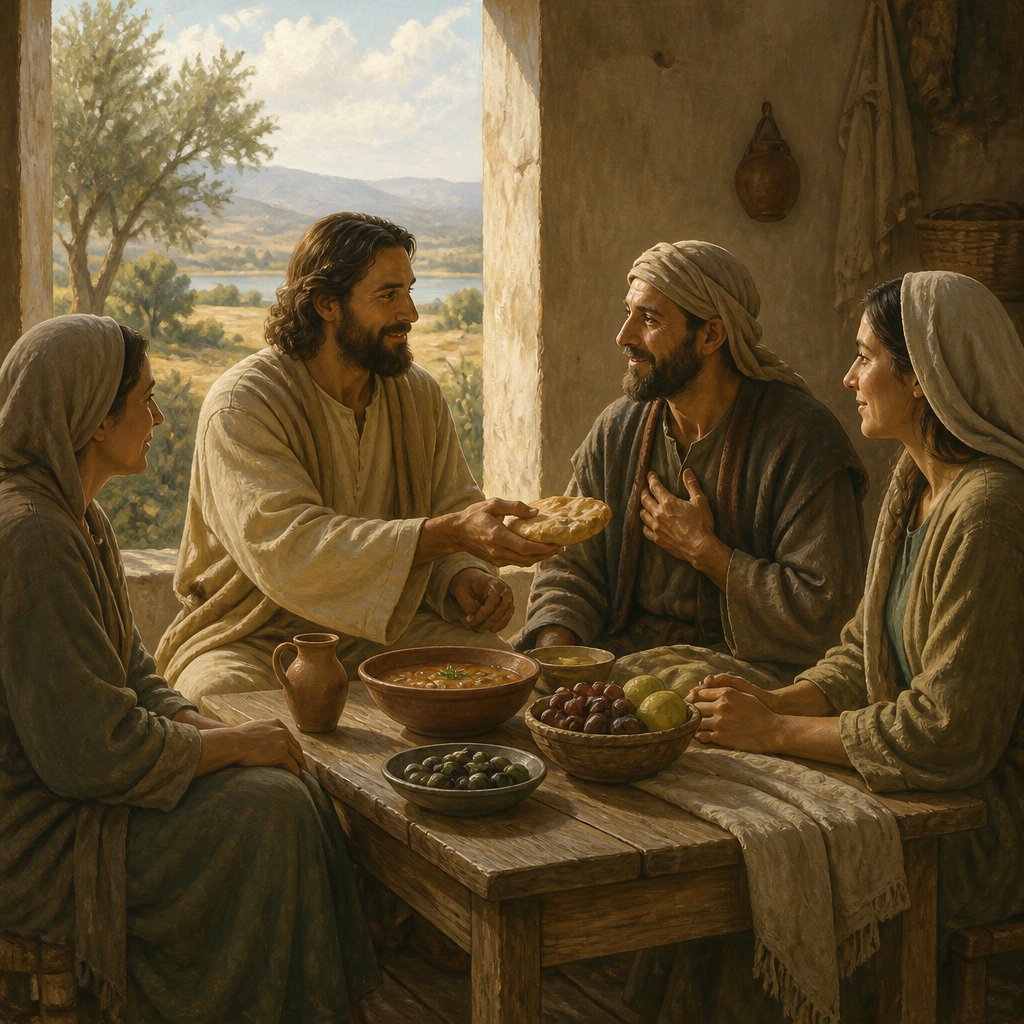
1 Corinthians 10:26-27 (KJV) states: "For the earth is the Lord's, and the fullness thereof. If any of them that believe not bid you to a feast, and ye be disposed to go; whatsoever is set before you, eat, asking no question for conscience sake."
This verse is part of the Apostle Paul's first letter to the Corinthians, in which he addresses various issues and concerns within the Corinthian church. In this particular passage, Paul is discussing the issue of eating meat that has been sacrificed to idols. The Corinthian church was located in a city that was known for its idol worship and pagan feasts, and some members of the church were unsure about whether it was permissible for them to eat such meat.
The verses begin by affirming the sovereignty of God over all creation, stating "For the earth is the Lord's, and the fullness thereof." This is a reminder to the Corinthians that all things ultimately belong to God, and that they should conduct themselves in a manner that reflects this truth. This is a foundational principle of Christian ethics and is consistent with the Old Testament teaching about God's ownership of the earth (Psalm 24:1).
In the following verse, Paul addresses the situation where a believer is invited to a feast hosted by someone who is not a Christian. In this context, it was common for such feasts to involve meat that had been sacrificed to idols. The Apostle gives the directive that if a believer finds themselves in this situation and is inclined to attend the feast, they should eat whatever is set before them without asking questions for conscience sake.
Paul's instruction here reflects his desire to avoid unnecessarily offending non-believers or causing unnecessary strife within the church. His counsel is rooted in the principle of Christian liberty, which is the idea that believers are free in Christ and should not be bound by legalistic rules and regulations. However, Paul also emphasizes the importance of considering the effect of one's actions on others. This aligns with his teaching in other passages about the need for believers to be sensitive to the consciences of their fellow brothers and sisters in Christ (Romans 14:13-23).
The broader theme of this passage is the application of Christian principles in a complex and diverse world. The Corinthians were living in a society that was fundamentally at odds with their Christian beliefs, and they were struggling to navigate the ethical and moral challenges that this presented. Paul's instruction here is designed to help them negotiate these challenges while remaining true to their faith and witnessing effectively to the world around them.
Symbolically, the passage can be seen as a reminder of God's sovereignty over all things, including the rituals and customs of the surrounding culture. It also highlights the principle of Christian liberty, balanced with the need to act in love and consideration towards others. This passage speaks to the broader Christian concept of living in the world but not being of the world, and it offers valuable insights into how believers can navigate the tensions between their faith and the cultural context in which they find themselves.
In conclusion, the passage from 1 Corinthians 10:26-27 offers a timeless and relevant lesson for believers today. It reminds us of God's sovereignty, the importance of Christian liberty, and the need to act in love and consideration towards others. It encourages us to navigate the complexities of the world with wisdom and discernment, all the while remaining faithful to our Christian convictions.
Get our apps


Artwork for 1 Corinthians 10:26-27
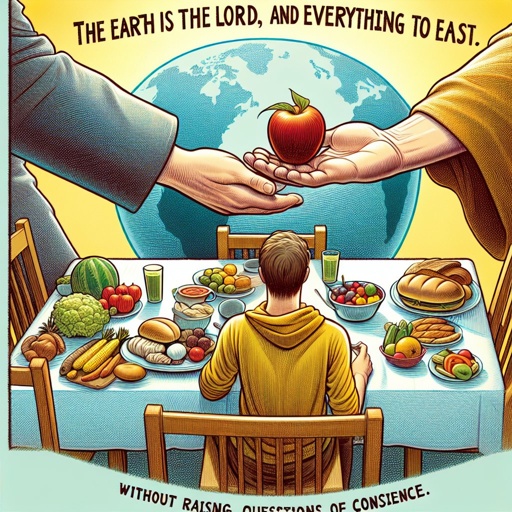
1 Corinthians 10:26-27 - "for, 'The earth is the Lord’s, and everything in it.' If an unbeliever invites you to a meal and you want to go, eat whatever is put before you without raising questions of conscience."
"for, 'The earth is the Lord’s, and everything in it.' If an unbeliever invites you to a meal and you want to go, eat whatever is put before you without raising questions of conscience." - 1 Corinthians 10:26-27

1 Corinthians 10:26 - "For the earth is the Lord's, and the fulness thereof."

"For the earth is the Lord's, and the fulness thereof." - 1 Corinthians 10:26
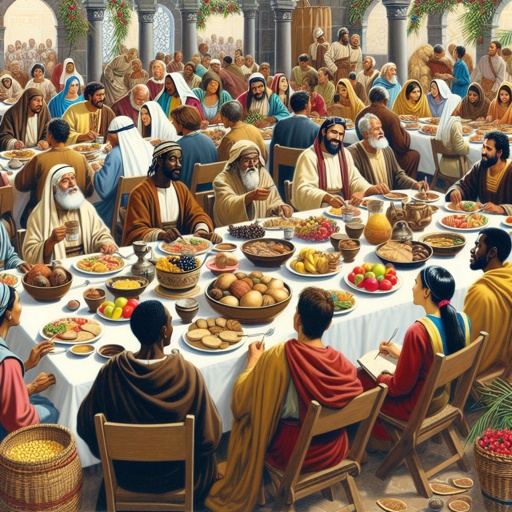
1 Corinthians 10:27 - "If any of them that believe not bid you to a feast, and ye be disposed to go; whatsoever is set before you, eat, asking no question for conscience sake."

1 Corinthians 9:25-27

1 Corinthians 9:25-27

1 Corinthians 9:25-27

1 Corinthians 9:25-27

1 Corinthians 12:27

Matthew 27:26

1 Corinthians 14:26-33

1 Corinthians 15:26 - "The last enemy that shall be destroyed is death."

1 Corinthians 11:26-29

1 Corinthians 11:26-29

1 Corinthians 12:27 - "Now ye are the body of Christ, and members in particular."

1 Corinthians 10:13

1 Corinthians 10:13

1 Corinthians 10:13

1 Corinthians 10:10 - "Neither murmur ye, as some of them also murmured, and were destroyed of the destroyer."

1 Corinthians 7:26 - "I suppose therefore that this is good for the present distress, I say, that it is good for a man so to be."

James 1:26-27 - "James 1:26-27: If anyone considers himself religious and yet does not keep a tight rein on his tongue, he deceives himself and his religion is worthless. Religion that God our Father accepts as pure and faultless is this: to look after orphans and widows in their distress and to keep oneself from being polluted by the world."

1 Chronicles 26:27 - "Out of the spoils won in battles did they dedicate to maintain the house of the LORD."

1 Corinthians 9:26 - "I therefore so run, not as uncertainly; so fight I, not as one that beateth the air:"

1 Chronicles 27:26 - "And over them that did the work of the field for tillage of the ground was Ezri the son of Chelub:"

1 Corinthians 1:26 - "For ye see your calling, brethren, how that not many wise men after the flesh, not many mighty, not many noble, are called:"

1 Corinthians 14:27 - "If any man speak in an unknown tongue, let it be by two, or at the most by three, and that by course; and let one interpret."

1 Corinthians 10:3 - "And did all eat the same spiritual meat;"

1 Corinthians 1:27 - "But God hath chosen the foolish things of the world to confound the wise; and God hath chosen the weak things of the world to confound the things which are mighty;"

"The last enemy that shall be destroyed is death." - 1 Corinthians 15:26