What does 1 Corinthians 11:23 mean?
“For I have received of the Lord that which also I delivered unto you, That the Lord Jesus the same night in which he was betrayed took bread:” — 1 Corinthians 11:23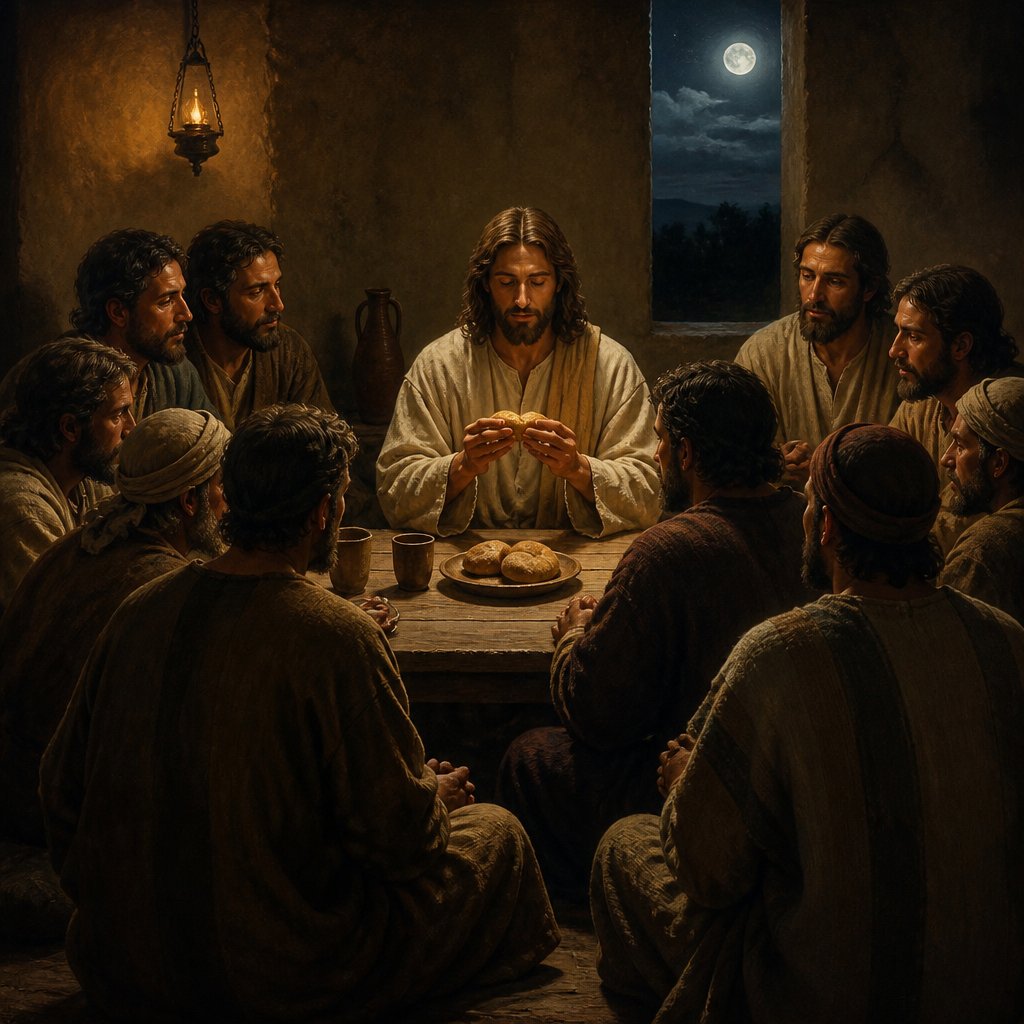
1 Corinthians 11:23 (KJV) reads:
"For I have received of the Lord that which also I delivered unto you, That the Lord Jesus the same night in which he was betrayed took bread."
This verse is part of an exhortation from the Apostle Paul to the church in Corinth regarding the proper observance of the Lord's Supper. In this passage, Paul is reminding the Corinthian believers of the significance of the bread and the cup, which represent the body and blood of Jesus Christ, and the need to partake in a worthy manner.
The context of this verse is important to understand its full meaning and significance. In the preceding verses, Paul addresses the issue of divisions within the church and the improper manner in which the Corinthian believers were observing the Lord's Supper. He admonishes them for their behavior and instructs them on the proper way to approach this sacred ordinance.
In verse 23, Paul begins by affirming that the instructions he is about to give were received from the Lord Himself. This emphasizes the authoritative nature of his teaching and underscores the importance of adhering to the prescribed guidelines for the Lord's Supper.
Paul then recalls the events of the Last Supper when Jesus instituted the bread and the cup as symbols of His body and blood. The phrase "the same night in which he was betrayed" serves as a reminder of the profound significance of the sacrificial act that Jesus was about to undertake. Despite knowing that He would be betrayed and ultimately crucified, Jesus chose to partake in this final meal with His disciples, establishing a lasting memorial to His atoning sacrifice.
The act of taking bread holds deep symbolism within the Christian faith. In the Jewish tradition, bread has long been associated with sustenance and provision from God. However, in the context of the Last Supper, the bread takes on a new and profound meaning. Jesus, in breaking the bread and sharing it with His disciples, was signifying the breaking of His own body for the redemption of humanity. The bread represents the physical body of Christ, which was broken for the forgiveness of sins and the reconciliation of mankind to God.
Furthermore, the timing of this act is significant. Jesus intentionally chose to initiate this symbolic act on the night of His betrayal. This serves as a powerful reminder that even in the midst of betrayal and impending suffering, Jesus remained committed to His mission of redemption. It also underscores the depth of His love and the extent of His sacrifice on behalf of humanity.
In this verse, the symbolism of the bread points to the central theme of Christ's atoning sacrifice. It serves as a visual and tangible representation of His willingness to lay down His life for the salvation of all who would believe in Him. As the Corinthian believers partook of the bread, they were to do so in remembrance of Jesus' sacrifice and with a sense of reverence and gratitude for the redemption that it made possible.
In conclusion, 1 Corinthians 11:23 from the King James Version of the Bible serves as a poignant reminder of the significance of the Lord's Supper and the deep symbolism embedded within the act of taking the bread. The verse emphasizes the authoritative source of the instructions provided by the Apostle Paul and highlights the profound meaning of the bread as a representation of Christ's sacrificial body. It invites believers to approach this sacred ordinance with a spirit of reverence, gratitude, and remembrance for the redemptive work accomplished through Christ's atoning sacrifice.
Get our apps


Artwork for 1 Corinthians 11:23

1 Corinthians 11:23 - "For I have received of the Lord that which also I delivered unto you, That the Lord Jesus the same night in which he was betrayed took bread:"
"For I have received of the Lord that which also I delivered unto you, That the Lord Jesus the same night in which he was betrayed took bread:" - 1 Corinthians 11:23

1 Corinthians 11:23-26 - "For I received from the Lord what I also passed on to you: The Lord Jesus, on the night he was betrayed, took bread, and when he had given thanks, he broke it and said, 'This is my body, which is for you; do this in remembrance of me.' In the same way, after supper, he took the cup, saying, 'This cup is the new covenant in my blood; do this, whenever you drink it, in remembrance of me.' For whenever you eat this bread and drink this cup, you proclaim the Lord’s death until he comes."
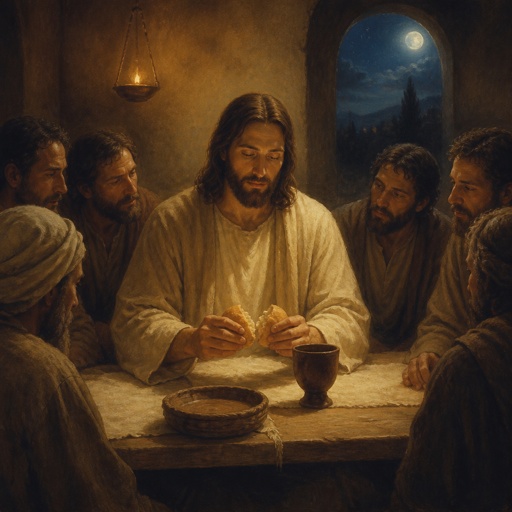
"For I received from the Lord what I also passed on to you: The Lord Jesus, on the night he was betrayed, took bread, and when he had given thanks, he broke it and said, 'This is my body, which is for you; do this in remembrance of me.' In the same way, after supper, he took the cup, saying, 'This cup is the new covenant in my blood; do this, whenever you drink it, in remembrance of me.' For whenever you eat this bread and drink this cup, you proclaim the Lord’s death until he comes." - 1 Corinthians 11:23-26

1 Corinthians 3:23 - "And ye are Christ's; and Christ is God's."

1 Corinthians 16:23 - "The grace of our Lord Jesus Christ be with you."

1 Corinthians 7:23 - "Ye are bought with a price; be not ye the servants of men."

1 Corinthians 1:23 - "But we preach Christ crucified, unto the Jews a stumblingblock, and unto the Greeks foolishness;"

1 Corinthians 11:26-29

1 Corinthians 11:26-29

1 Corinthians 11:8 - "For the man is not of the woman; but the woman of the man."

1 Corinthians 11:1 - "Be ye followers of me, even as I also am of Christ."

1 Corinthians 11:11 - "Nevertheless neither is the man without the woman, neither the woman without the man, in the Lord."

1 Corinthians 9:23 - "And this I do for the gospel's sake, that I might be partaker thereof with you."

1 Corinthians 15:8-11
2 Corinthians 11:23 - "Are they ministers of Christ? (I speak as a fool) I am more; in labours more abundant, in stripes above measure, in prisons more frequent, in deaths oft."

luke 11:23

1 Corinthians 11:9 - "Neither was the man created for the woman; but the woman for the man."

1 Corinthians 3:23 And you are Christ’s, and Christ is God’s.

1 Corinthians 3:23 And you are Christ’s, and Christ is God’s.

1 Corinthians 11:31 - "For if we would judge ourselves, we should not be judged."

"And ye are Christ's; and Christ is God's." - 1 Corinthians 3:23

1 Corinthians 15:23 - "But every man in his own order: Christ the firstfruits; afterward they that are Christ's at his coming."

1 Corinthians 11:30 - "For this cause many are weak and sickly among you, and many sleep."

1 Corinthians 11:13 - "Judge in yourselves: is it comely that a woman pray unto God uncovered?"

1 Corinthians 11:10 - "For this cause ought the woman to have power on her head because of the angels."

1 Corinthians 10:23 - "All things are lawful for me, but all things are not expedient: all things are lawful for me, but all things edify not."

1 Corinthians 11:20 - "When ye come together therefore into one place, this is not to eat the Lord's supper."

1 Corinthians 1:11 - "For it hath been declared unto me of you, my brethren, by them which are of the house of Chloe, that there are contentions among you."

1 Corinthians 11:32 - "But when we are judged, we are chastened of the Lord, that we should not be condemned with the world."