What does 1 Corinthians 15:9 mean?
“For I am the least of the apostles, that am not meet to be called an apostle, because I persecuted the church of God.” — 1 Corinthians 15:9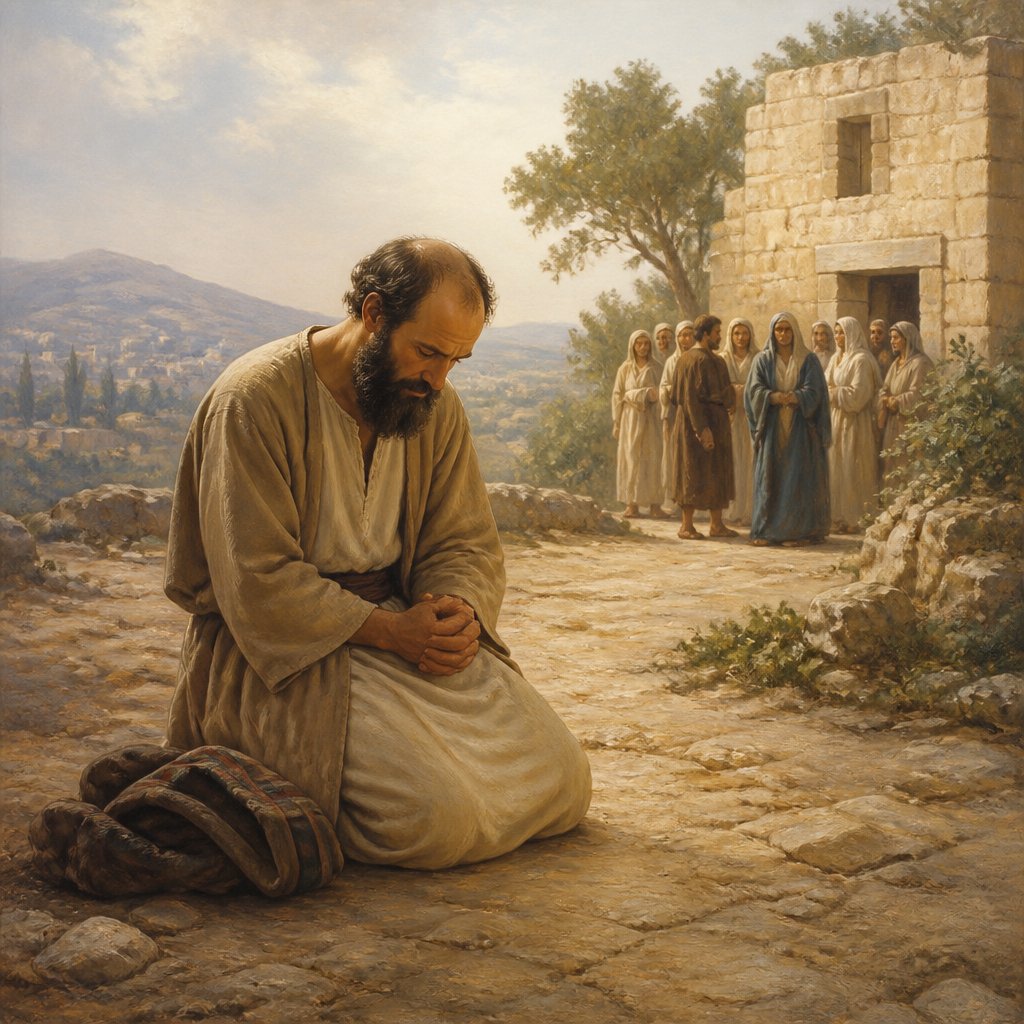
The verse 1 Corinthians 15:9 from the King James Version reads, "For I am the least of the apostles, that am not meet to be called an apostle, because I persecuted the church of God." This verse is part of a larger passage in which the apostle Paul defends the truth of the resurrection of Christ, an essential Christian doctrine.
In this particular verse, Paul is expressing his humility and contrition for his past actions. He refers to himself as "the least of the apostles" and emphasizes that he is not worthy to be called an apostle because of his previous persecution of the church. This admission is a powerful reflection of Paul's recognition of his own unworthiness and sinfulness. It also serves as a testament to the transformative power of the gospel and the grace of God.
At the time of writing this letter to the Corinthians, Paul was well-known for his missionary work and the spread of Christianity throughout the Roman Empire. However, he does not boast of his accomplishments or position, but instead acknowledges his own shortcomings and the immense grace that has been shown to him. This self-awareness is a testament to Paul's character and his understanding of the gospel message.
The humility expressed in this verse is in stark contrast to the pride and arrogance often associated with those in positions of authority. It serves as a reminder that true leadership is rooted in humbleness and a recognition of one's own flaws. Paul's example challenges us to examine our own attitudes and approach to leadership, and to strive for a spirit of humility and service.
This verse also speaks to the broader theme of redemption and forgiveness. Paul openly acknowledges his past persecution of the church, a fact that undoubtedly weighed heavily on his conscience. However, he does not allow this guilt to define him. Instead, he embraces the forgiveness and grace offered to him through Christ. This serves as a powerful reminder of the transformative power of God's love and the ability to overcome the mistakes and failures of our past.
Furthermore, the verse touches on the theme of calling and purpose. Despite Paul's past actions, he recognizes that he has been called to be an apostle and has been given a specific role within the church. This speaks to the idea that God can use imperfect and flawed individuals to accomplish His purposes. It also serves as a reminder that our past does not determine our future, and that God can work through us despite our limitations.
Symbolically, Paul's journey from persecutor to apostle serves as a powerful testament to the transformative power of God's grace. His story is a reminder that no one is beyond redemption and that the gospel is available to all, regardless of their past. In this sense, Paul's own life becomes a symbol of hope and encouragement for all believers.
Overall, 1 Corinthians 15:9 is a powerful and poignant reminder of the themes of humility, redemption, and calling. It challenges us to examine our own attitudes and approach to leadership, and to embrace the transformative power of God's grace in our lives. Paul's example serves as a source of inspiration and encouragement for all believers, reminding us that our past does not define us and that God can use us for His purposes, no matter our shortcomings.
Get our apps


Artwork for 1 Corinthians 15:9

1 Corinthians 15:9 - "For I am the least of the apostles, that am not meet to be called an apostle, because I persecuted the church of God."
"For I am the least of the apostles, that am not meet to be called an apostle, because I persecuted the church of God." - 1 Corinthians 15:9

2 Corinthians 9:15 - "Thanks be unto God for his unspeakable gift."

1 Corinthians 15:36

1 Corinthians 9:25-27

1 Corinthians 9:25-27

1 Corinthians 9:25-27

1 Corinthians 9:25-27

1 Corinthians 15:13 - "But if there be no resurrection of the dead, then is Christ not risen:"

1 Corinthians 15:51-52

1 Corinthians 15:51-52

1 Corinthians 15:51-52

1 Corinthians 9:15 - "But I have used none of these things: neither have I written these things, that it should be so done unto me: for it were better for me to die, than that any man should make my glorying void."

1 Corinthians 15:5 - "And that he was seen of Cephas, then of the twelve:"

1 Corinthians 15:16 - "For if the dead rise not, then is not Christ raised:"

1 Corinthians 15:26 - "The last enemy that shall be destroyed is death."

1 Corinthians 15:51-52

1 Corinthians 15:8-11

1 Corinthians 15:7 - "After that, he was seen of James; then of all the apostles."

1 Corinthians 1:15 - "Lest any should say that I had baptized in mine own name."

1 Corinthians 9:4 - "Have we not power to eat and to drink?"

1 Corinthians 15:30 - "And why stand we in jeopardy every hour?"

1 Corinthians 15:56 - "The sting of death is sin; and the strength of sin is the law."

1 Corinthians 15:48 - "As is the earthy, such are they also that are earthy: and as is the heavenly, such are they also that are heavenly."

1 Corinthians 15:33 - "Be not deceived: evil communications corrupt good manners."

1 Corinthians 15:18 - "Then they also which are fallen asleep in Christ are perished."
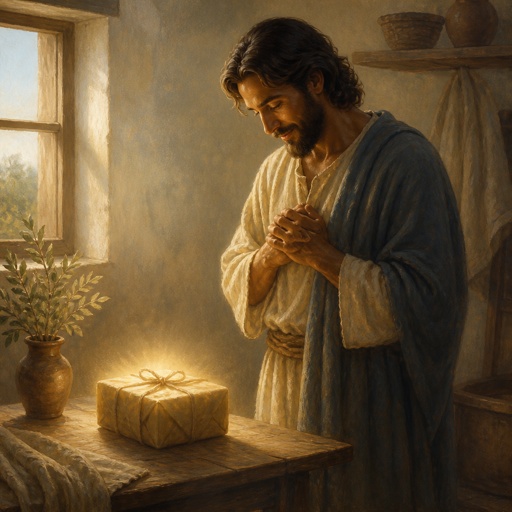
"Thanks be unto God for his unspeakable gift." - 2 Corinthians 9:15

1 Corinthians 13:9 - "For we know in part, and we prophesy in part."

1 Corinthians 15:36 - "Thou fool, that which thou sowest is not quickened, except it die:"

1 Corinthians 15:42 - "So also is the resurrection of the dead. It is sown in corruption; it is raised in incorruption:"