What does 1 Corinthians 1:28 mean?
“And base things of the world, and things which are despised, hath God chosen, yea, and things which are not, to bring to nought things that are:” — 1 Corinthians 1:28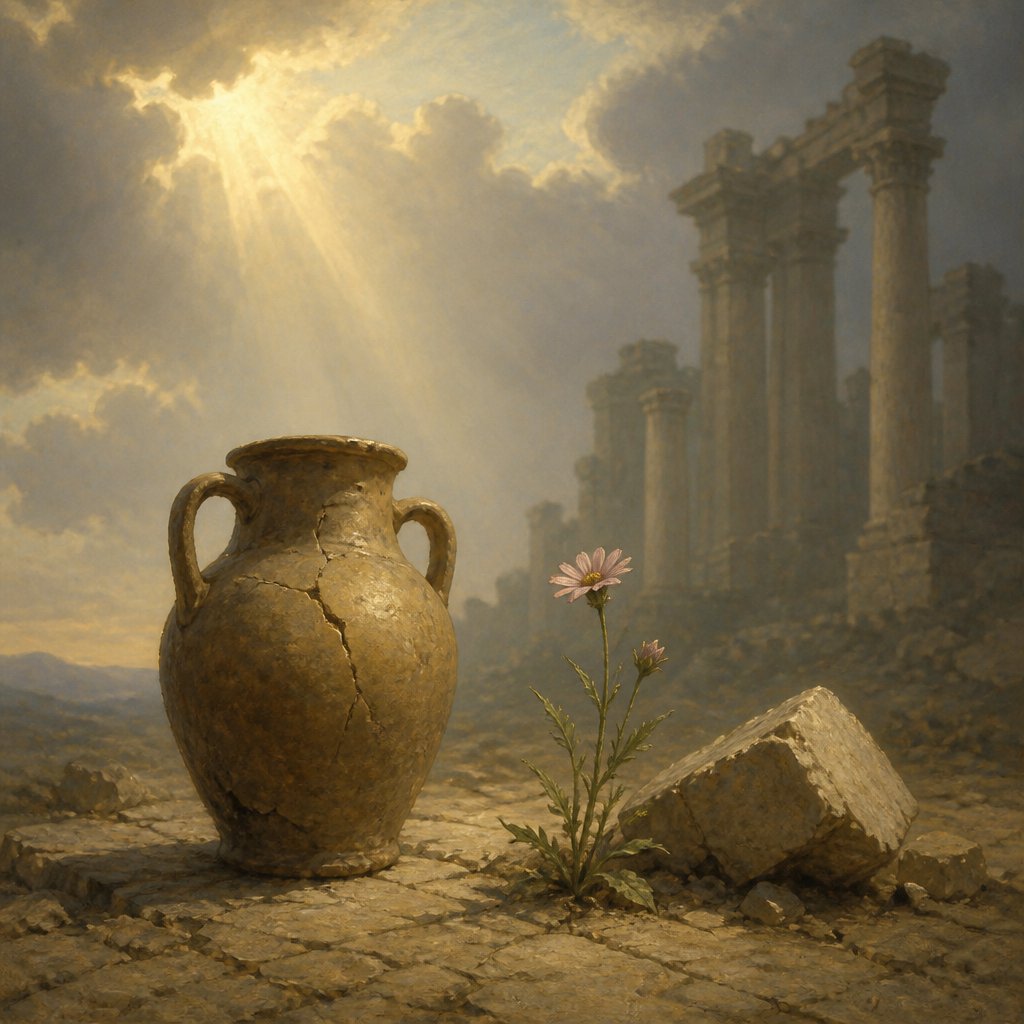
1 Corinthians 1:28 (KJV): "And base things of the world, and things which are despised, hath God chosen, yea, and things which are not, to bring to nought things that are:"
The verse from the first epistle to the Corinthians, written by the apostle Paul, reflects the idea of God's preference for the marginalized and the lowly. It highlights the divine sovereignty and the paradoxical nature of God's choices, where the weak and the foolish are used to confound the strong and the wise. This verse also conveys the theme of God's power and wisdom being demonstrated through unexpected vessels, as well as the ultimate subversion of the world's standards by God's actions.
Context:
The first epistle to the Corinthians was written by the apostle Paul to address various issues and concerns within the church in Corinth. In the preceding verses, Paul discusses how God has chosen the weak to shame the strong and the foolish to shame the wise (1 Corinthians 1:27). He emphasizes that God's choice of individuals and means for manifesting His power are not based on worldly standards or human wisdom, but rather on His own divine purposes.
The Corinthian church was struggling with divisions and conflicts, including the issue of spiritual pride and elitism among its members. Paul's message in this passage serves to counteract the prevailing attitude of superiority and self-sufficiency by highlighting God's preference for the humble and despised.
Meaning and Commentary:
In 1 Corinthians 1:28, the reference to "base things of the world" and "things which are despised" captures the idea that God intentionally selects those who are considered inferior or insignificant by worldly standards. This aligns with the biblical theme of God's concern for the oppressed and his choice to work through the weak and the marginalized. Throughout the Bible, God consistently demonstrates a preference for the lowly and the downtrodden, using individuals such as Moses, David, and Mary to accomplish His purposes.
The phrase "things which are not" further emphasizes the unlikely and unremarkable nature of God's chosen instruments. The use of such humble means magnifies God's power and sovereignty, as well as His ability to achieve His purposes through unexpected avenues. In doing so, God highlights His own glory and confounds the wisdom and strength of the world.
The latter part of the verse, "to bring to nought things that are," underscores the transformative nature of God's actions. Through His divine choices, God nullifies the significance and power of worldly entities, ultimately demonstrating His authority over all things. This mirrors the biblical theme of the reversal of human expectations and the triumph of God's purpose over human pride and arrogance.
Symbolism:
The symbolism in 1 Corinthians 1:28 lies in the contrast between the worldly and divine perspectives. The "base things of the world" represent the humble and insignificant, while the "things which are despised" signify the rejected and overlooked. These symbols reflect the paradoxical nature of God's kingdom, where the last become first and the weak are made strong.
The imagery of "things which are not" points to the surprising and unexpected nature of God's choices, as well as the divine ability to bring forth significance from obscurity. This serves as a reminder that God's ways are not bound by human limitations or expectations, and His power is often revealed in unexpected ways.
In conclusion, 1 Corinthians 1:28 conveys the profound truth of God's unconventional and sovereign choices. It challenges the worldly notions of strength and wisdom, emphasizing the divine preference for the weak and the despised. This verse encourages humility and a recognition of God's ultimate authority, while also highlighting His ability to bring about transformation and triumph through unexpected means.
Get our apps


Artwork for 1 Corinthians 1:28

1 Corinthians 1:28 - "And base things of the world, and things which are despised, hath God chosen, yea, and things which are not, to bring to nought things that are:"

1 Corinthians 1:28-29 - "God chose what is low and despised in the world, even things that are not, to bring to nothing things that are, so that no human being might boast in the presence of God."
"And base things of the world, and things which are despised, hath God chosen, yea, and things which are not, to bring to nought things that are:" - 1 Corinthians 1:28
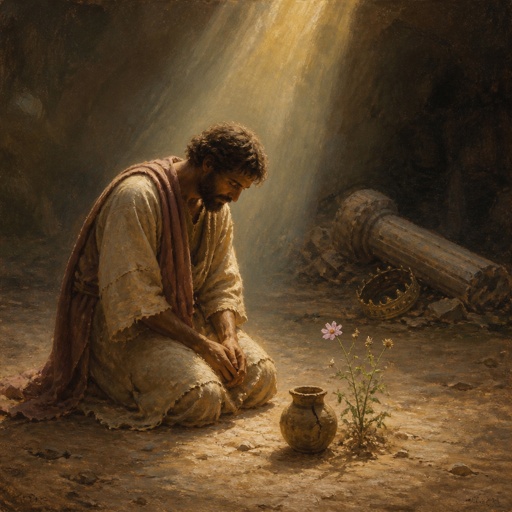
"God chose what is low and despised in the world, even things that are not, to bring to nothing things that are, so that no human being might boast in the presence of God." - 1 Corinthians 1:28-29

1 Corinthians 11:28 - "But let a man examine himself, and so let him eat of that bread, and drink of that cup."

1 Corinthians 14:28 - "But if there be no interpreter, let him keep silence in the church; and let him speak to himself, and to God."

1 Corinthians 7:28 - "But and if thou marry, thou hast not sinned; and if a virgin marry, she hath not sinned. Nevertheless such shall have trouble in the flesh: but I spare you."

1 Corinthians 10:28 - "But if any man say unto you, This is offered in sacrifice unto idols, eat not for his sake that shewed it, and for conscience sake: for the earth is the Lord's, and the fulness thereof:"
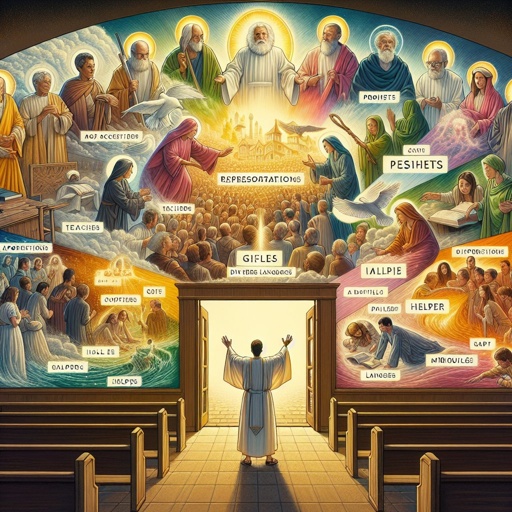
1 Corinthians 12:28 - "And God hath set some in the church, first apostles, secondarily prophets, thirdly teachers, after that miracles, then gifts of healings, helps, governments, diversities of tongues."

1 Corinthians 15:28 - "And when all things shall be subdued unto him, then shall the Son also himself be subject unto him that put all things under him, that God may be all in all."

1 Corinthians 1:19-20

1 Corinthians 1:19-20

1 Corinthians 1:19-20

1 Corinthians 1:19-20

1 Corinthians 1:19-20

1 Corinthians 1:19-20

1 Corinthians 1:19-20

1 Corinthians 1:19-20

1 Corinthians 1:19-20

1 Corinthians 1:19-20
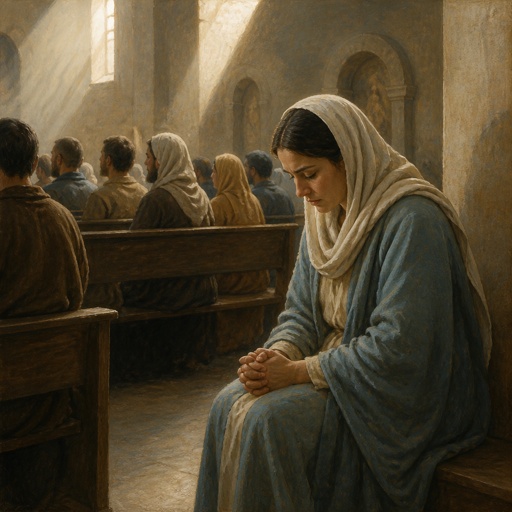
"But if there be no interpreter, let him keep silence in the church; and let him speak to himself, and to God." - 1 Corinthians 14:28

"But let a man examine himself, and so let him eat of that bread, and drink of that cup." - 1 Corinthians 11:28

1 Corinthians 1:19-20

1 Corinthians 1:19-20

1 Corinthians 1:19-20

1 Corinthians 1:19-20

1 Corinthians 1:19-20

1 Corinthians 1:19-20

1 Corinthians 1:19-20

1 Corinthians 1:19-20