What does 1 Corinthians 4:7 mean?
“For who maketh thee to differ from another? and what hast thou that thou didst not receive? now if thou didst receive it, why dost thou glory, as if thou hadst not received it?” — 1 Corinthians 4:7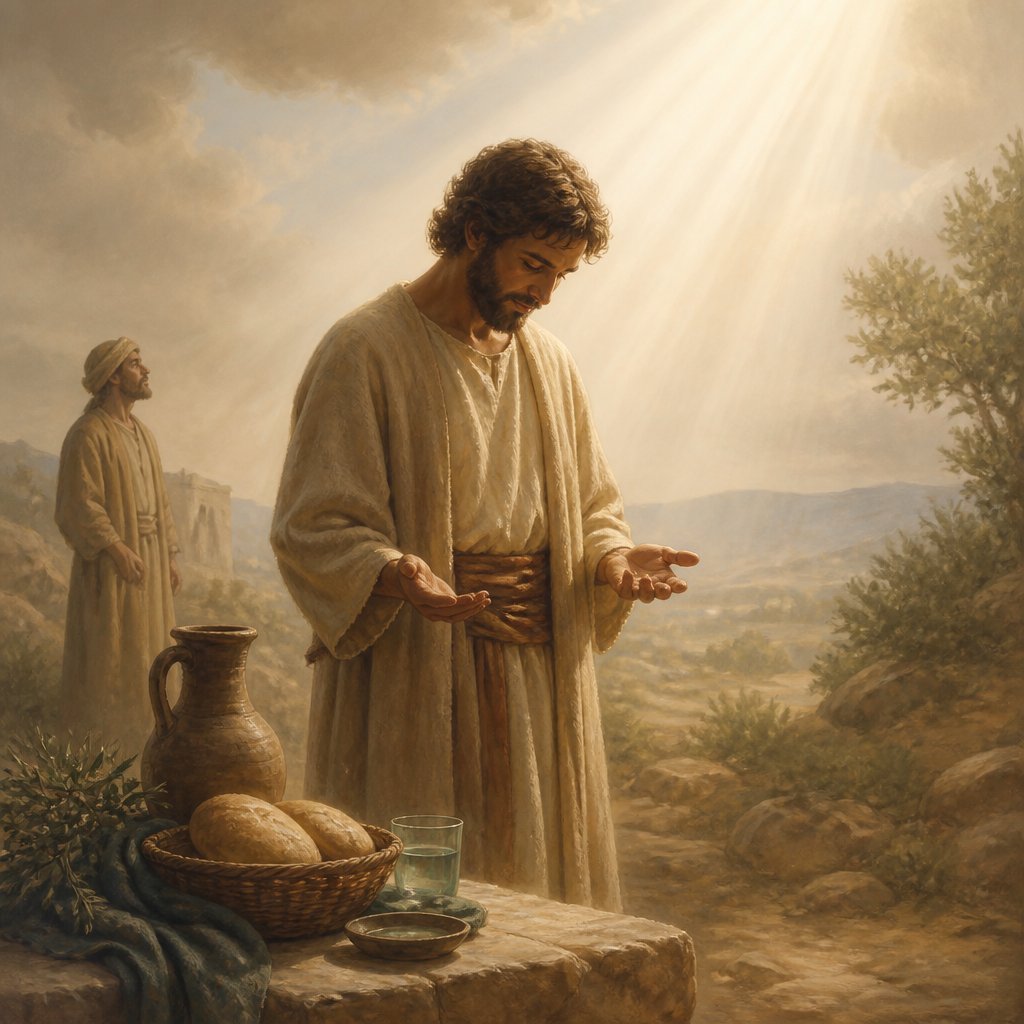
1 Corinthians 4:7 (KJV) states, "For who maketh thee to differ from another? and what hast thou that thou didst not receive? now if thou didst receive it, why dost thou glory, as if thou hadst not received it?"
This verse is part of a letter that the apostle Paul wrote to the church in Corinth. In this letter, Paul addresses various issues within the church, including divisions, immorality, and the abuse of spiritual gifts. 1 Corinthians 4:7 is a reminder to the Corinthian believers to maintain humility and to recognize that their abilities and possessions are ultimately gifts from God.
The verse begins with a rhetorical question, "For who maketh thee to differ from another?" This question challenges the Corinthian believers to consider the source of their uniqueness and individuality. Paul is suggesting that it is God who ultimately makes each person different from another. This challenges the arrogance and pride within the Corinthian church, as they were dividing themselves based on who they followed or admired the most. The verse serves as a reminder that all believers are equal in the eyes of God, and that any differences between them are ultimately bestowed by God.
The second part of the verse continues with another rhetorical question, "and what hast thou that thou didst not receive?" This question emphasizes the idea that all that believers have comes from God. This includes their spiritual gifts, material possessions, and even their very existence. In essence, Paul is reminding the Corinthians that everything they have is a gift from God and should be recognized as such.
The verse concludes with a challenge, "now if thou didst receive it, why dost thou glory, as if thou hadst not received it?" Here, Paul is urging the Corinthian believers to maintain humility and not to boast in their own abilities or possessions. To "glory" in this context can be understood as boasting or taking pride in something. Paul is cautioning the Corinthian believers against boasting in their own accomplishments, as if they were achieved apart from God's grace.
The themes present in 1 Corinthians 4:7 include humility, gratitude, and recognizing the source of all blessings. The verse serves as a reminder to believers to attribute all that they have to God and to avoid pride and arrogance. It also highlights the interconnectedness of believers, as they are all recipients of God's gifts and grace.
The context of this verse within the broader letter to the Corinthians is important to understanding its significance. The church in Corinth was struggling with divisions and a lack of unity. Paul's words in this verse address the underlying issues of pride and boasting that were contributing to the disunity within the church. By reminding the Corinthians that everything they have is ultimately from God, Paul is challenging them to reevaluate their attitudes and behaviors towards one another.
Symbolism in this verse can be found in the concept of receiving gifts from God. The imagery of receiving gifts invokes the idea of God as a generous giver and believers as recipients of His grace. Additionally, the verse symbolizes the interconnectedness of believers, as they are all recipients of God's gifts and grace.
In conclusion, 1 Corinthians 4:7 serves as a powerful reminder to all believers to maintain humility and gratitude. It challenges individuals to recognize God as the ultimate source of all blessings and to avoid boasting in their own abilities or possessions. The verse's themes of humility, gratitude, and interconnectedness are timeless and continue to hold relevance for believers today.
Get our apps


Artwork for 1 Corinthians 4:7

1 Corinthians 4:7 - "For who maketh thee to differ from another? and what hast thou that thou didst not receive? now if thou didst receive it, why dost thou glory, as if thou hadst not received it?"
"For who maketh thee to differ from another? and what hast thou that thou didst not receive? now if thou didst receive it, why dost thou glory, as if thou hadst not received it?" - 1 Corinthians 4:7

1 Corinthians 13:4-7

1 Corinthians 13:4-7

1 Corinthians 13:4-7

1 Corinthians 13:4-7

1 Corinthians 7:4 - "The wife hath not power of her own body, but the husband: and likewise also the husband hath not power of his own body, but the wife."

Corinthians 13:4-7

1 Corinthians 13:4-7 - "4 Love is patient, love is kind. It does not envy, it does not boast, it is not proud. 5 It does not dishonor others, it is not self-seeking, it is not easily angered, it keeps no record of wrongs. 6 Love does not delight in evil but rejoices with the truth. 7 It always protects, always trusts, always hopes, always perseveres."

1 Corinthians 4:20

1 Corinthians 4:20

"4 Love is patient, love is kind. It does not envy, it does not boast, it is not proud. 5 It does not dishonor others, it is not self-seeking, it is not easily angered, it keeps no record of wrongs. 6 Love does not delight in evil but rejoices with the truth. 7 It always protects, always trusts, always hopes, always perseveres." - 1 Corinthians 13:4-7

1 Corinthians 4:20

1 Corinthians 4:20

1 Corinthians 13:4-6

1 Corinthians 13:4-6

1 Corinthians 13:4-6

1 Corinthians 13:4-6

1 Corinthians 13:4-6

1 Corinthians 13:4-6

1 Corinthians 13:4-6

1 Corinthians 13:4-6

1 Corinthians 4:1-2

2 Corinthians 4:7 - "But we have this treasure in earthen vessels, that the excellency of the power may be of God, and not of us."

1 Corinthians 7:6 - "But I speak this by permission, and not of commandment."

1 Corinthians 4:20 - "For the kingdom of God is not in word, but in power."

1 Corinthians 15:7 - "After that, he was seen of James; then of all the apostles."

1 Corinthians 7:23 - "Ye are bought with a price; be not ye the servants of men."

1 Corinthians 9:4 - "Have we not power to eat and to drink?"

2 Corinthians 1:3-4