What does 1 Corinthians 7:1 mean?
“Now concerning the things whereof ye wrote unto me: It is good for a man not to touch a woman.” — 1 Corinthians 7:1
1 Corinthians 7:1 states, "Now concerning the things whereof ye wrote unto me: It is good for a man not to touch a woman." This verse is part of a larger passage in 1 Corinthians chapter 7 where the apostle Paul responds to various questions and concerns brought to his attention by the Corinthians.
The context in which this verse is written is important for understanding its full meaning and implications. The Corinthian church was located in a city known for its immorality and licentious behavior. The Corinthians were grappling with how to live as Christians in a culture that embraced sexual promiscuity and indulgence. The questions that the Corinthians had posed to Paul related to marriage, celibacy, and sexual morality in general.
In 1 Corinthians 7:1, Paul begins his discussion on these topics by stating, "It is good for a man not to touch a woman." This statement may seem strange or even extreme in today's context, but it needs to be understood within the historical and cultural context of the Corinthians' struggles. The word "touch" here is often interpreted as a euphemism for sexual relations, indicating that Paul is advising a period of celibacy or abstinence from sexual activity.
Paul's advice to abstain from sexual relations may seem strict, but it is important to consider the reasons behind his counsel. The Corinthians were living in a culture where sexual immorality was rampant, and many of them were likely facing significant pressure to engage in promiscuous behavior. In this context, Paul's recommendation for celibacy can be seen as a way to protect the Corinthians from the moral and spiritual dangers associated with the prevailing cultural norms. By abstaining from sexual relations, they could focus on their relationship with God and avoid the potential spiritual harm that could result from engaging in immoral behavior.
It is also worth noting that Paul's advice in this passage is not intended to be a universal prescription for all Christians for all time. Rather, it reflects his wisdom and understanding of the specific challenges that the Corinthians were facing. Throughout the rest of the chapter, Paul goes on to discuss marriage, singleness, and the responsibilities and privileges of each state. He recognizes that not everyone is called to celibacy and that marriage is a legitimate and honorable institution created by God.
In interpreting this verse, it is important to consider its broader implications and the themes that it reflects. The overarching theme is the Christian call to holiness and moral purity in the midst of a corrupt and sinful world. Paul's counsel to the Corinthians to abstain from sexual relations serves as a reminder of the Christian's need to resist the temptations of the world and to live in a manner that is pleasing to God.
Additionally, this verse also speaks to the value of self-discipline and self-control. Paul's advice for celibacy reflects an understanding of the importance of mastering one's natural desires and impulses for the sake of spiritual well-being. This self-discipline is a recurring theme in Paul's writings and is seen as a crucial aspect of the Christian life.
In terms of symbolism, this verse can be seen as a representation of the Christian's call to live in a way that is distinct from the world. It underscores the importance of resisting the cultural pressures and temptations that can lead to immorality and compromise. By choosing to abstain from sexual relations when appropriate, Christians can demonstrate their commitment to a higher standard of moral conduct and their dedication to honoring God in all aspects of their lives.
In conclusion, 1 Corinthians 7:1 offers important insights into the challenges that the early Christians faced in a culture that was antithetical to their faith. Paul's counsel to the Corinthians reflects his concern for their spiritual well-being and his desire to help them navigate the complexities of living as committed followers of Christ in a world that often promotes values that are contrary to the Christian faith. This verse underscores the timeless principles of holiness, self-discipline, and the call to live in a way that is pleasing to God.
Get our apps


Artwork for 1 Corinthians 7:1

1 Corinthians 7:1 - "Now concerning the things whereof ye wrote unto me: It is good for a man not to touch a woman."

1 Corinthians 7:1-2 - "Now for the matters you wrote about: “It is good for a man not to have sexual relations with a woman.” But since sexual immorality is occurring, each man should have sexual relations with his own wife, and each woman with her own husband."
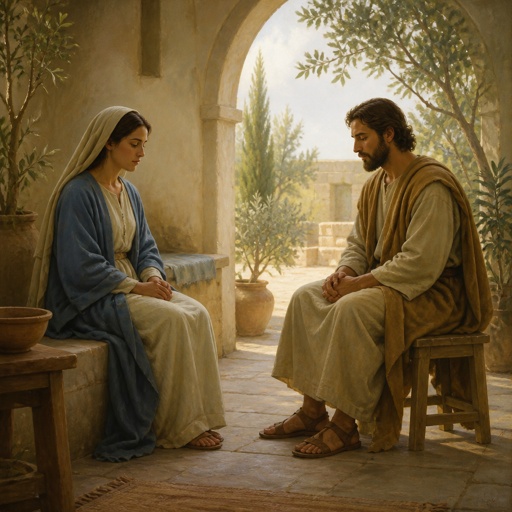
"Now concerning the things whereof ye wrote unto me: It is good for a man not to touch a woman." - 1 Corinthians 7:1

"Now for the matters you wrote about: “It is good for a man not to have sexual relations with a woman.” But since sexual immorality is occurring, each man should have sexual relations with his own wife, and each woman with her own husband." - 1 Corinthians 7:1-2

1 Corinthians 7:6 - "But I speak this by permission, and not of commandment."

1 Corinthians 13:4-7

1 Corinthians 1:7 - "So that ye come behind in no gift; waiting for the coming of our Lord Jesus Christ:"

1 Corinthians 13:4-7

1 Corinthians 13:4-7

1 Corinthians 13:4-7

1 Corinthians 15:7 - "After that, he was seen of James; then of all the apostles."

1 Corinthians 7:23 - "Ye are bought with a price; be not ye the servants of men."

1 Corinthians 7:19 - "Circumcision is nothing, and uncircumcision is nothing, but the keeping of the commandments of God."

1 Corinthians 7:31 - "And they that use this world, as not abusing it: for the fashion of this world passeth away."

1 Corinthians 12:7 - "But the manifestation of the Spirit is given to every man to profit withal."

1 Corinthians 7:20 - "Let every man abide in the same calling wherein he was called."

1 Corinthians 7:9 - "But if they cannot contain, let them marry: for it is better to marry than to burn."

1 Corinthians 7:30 - "And they that weep, as though they wept not; and they that rejoice, as though they rejoiced not; and they that buy, as though they possessed not;"

1 Corinthians 7:24 - "Brethren, let every man, wherein he is called, therein abide with God."

1 Corinthians 7:8 - "I say therefore to the unmarried and widows, It is good for them if they abide even as I."

1 Corinthians 7:26 - "I suppose therefore that this is good for the present distress, I say, that it is good for a man so to be."

1 Corinthians 7:33 - "But he that is married careth for the things that are of the world, how he may please his wife."
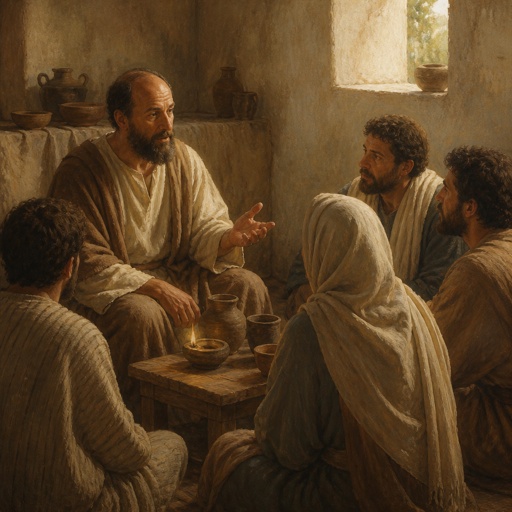
"But I speak this by permission, and not of commandment." - 1 Corinthians 7:6

1 Corinthians 13:7 - "Beareth all things, believeth all things, hopeth all things, endureth all things."

1 Corinthians 7:3 - "Let the husband render unto the wife due benevolence: and likewise also the wife unto the husband."

1 Corinthians 7:21 - "Art thou called being a servant? care not for it: but if thou mayest be made free, use it rather."

1 Corinthians 3:7 - "So then neither is he that planteth any thing, neither he that watereth; but God that giveth the increase."

1 Corinthians 16:7 - "For I will not see you now by the way; but I trust to tarry a while with you, if the Lord permit."

1 Corinthians 7:29 - "But this I say, brethren, the time is short: it remaineth, that both they that have wives be as though they had none;"

1 Corinthians 7:13 - "And the woman which hath an husband that believeth not, and if he be pleased to dwell with her, let her not leave him."