What does 1 Corinthians 7:20 mean?
“Let every man abide in the same calling wherein he was called.” — 1 Corinthians 7:20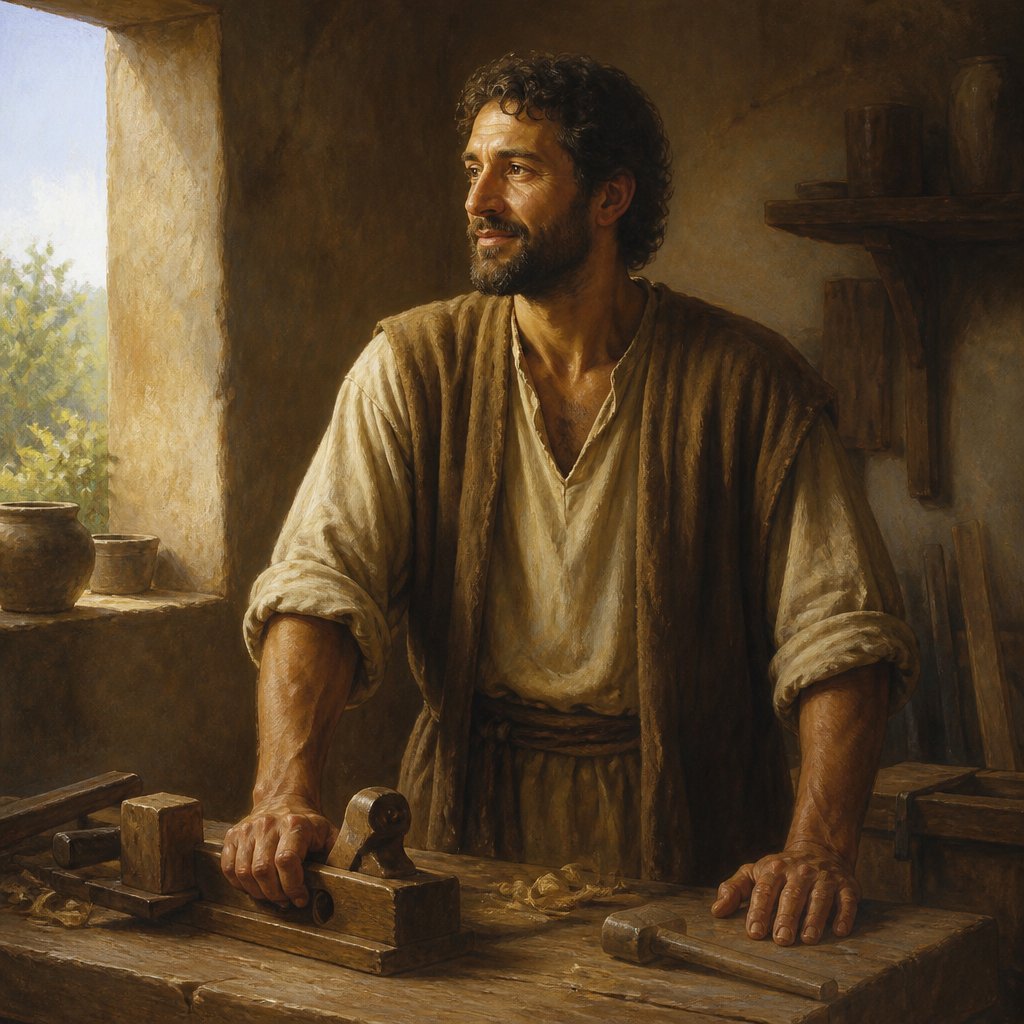
1 Corinthians 7:20 (KJV) - "Let every man abide in the same calling wherein he was called."
In this verse, the Apostle Paul is addressing the Corinthian believers and exhorting them to remain in whatever situation or occupation they were in when they were called to faith in Christ. This verse is part of the larger context of 1 Corinthians 7, where Paul is addressing various issues related to marriage, singleness, and the Christian life.
To truly understand the meaning and significance of this verse, it is important to examine the broader cultural and historical context in which it was written. The city of Corinth was known for its diverse population and the wide variety of occupations and social statuses represented within the community. In this context, the issue of how to live out one's faith in the midst of different callings and circumstances was a pressing concern for the Corinthian believers.
One of the key themes in 1 Corinthians 7:20 is the idea of contentment and faithfulness in one's current situation. Paul is encouraging the believers to find fulfillment and purpose in their everyday lives, regardless of their circumstances. This reflects the broader biblical emphasis on contentment and faithfulness in whatever situation one finds oneself. Paul himself wrote in Philippians 4:11-13, "I have learned to be content whatever the circumstances. I know what it is to be in need, and I know what it is to have plenty. I have learned the secret of being content in any and every situation, whether well fed or hungry, whether living in plenty or in want. I can do all this through him who gives me strength."
Furthermore, the verse emphasizes the importance of faithfulness and obedience in one's calling. This does not necessarily mean that believers are expected to remain in the same job or occupation for the rest of their lives. Rather, it speaks to the broader principle of faithfulness and obedience within the various callings and circumstances of life. Whether one is a slave or a free man, an employee or an employer, a husband or a single person, the call to faithfulness and obedience remains the same.
Another important aspect of this verse is the idea of embracing one's calling as a means of serving God and others. Paul's exhortation to abide in one's calling is meant to underscore the significance of one's vocation as a platform for living out one's faith and serving others. This is in line with the biblical teaching that all of life is to be lived to the glory of God (1 Corinthians 10:31) and that every believer has been uniquely gifted and called to serve the body of Christ (1 Peter 4:10).
In addition to the practical implications for everyday life, this verse also carries a deeper theological significance. It points to the sovereignty of God in the lives of believers and the importance of trusting in His providence. By exhorting the Corinthian believers to abide in their callings, Paul is reminding them that God has a purpose and a plan for each person's life, regardless of their social status or occupation. This is in line with the broader biblical teaching that God is at work in all things for the good of those who love Him (Romans 8:28).
Symbolically, this verse can be seen as a reminder of the equal value and importance of all believers, regardless of their outward circumstances or social status. In a culture that often values success, wealth, and power, the biblical message of contentment, faithfulness, and obedience in all callings serves as a powerful counterpoint. It speaks to the transformative power of the gospel in bringing about a new perspective on work, vocation, and daily life.
In conclusion, 1 Corinthians 7:20 is a rich and multi-layered verse that addresses issues of contentment, faithfulness, and obedience in the various callings and circumstances of life. It is a timeless exhortation that continues to resonate with believers today, reminding us of the importance of finding purpose and fulfillment in our daily lives, trusting in God's providence, and serving others in all that we do.
Get our apps


Artwork for 1 Corinthians 7:20

1 Corinthians 7:20 - "Let every man abide in the same calling wherein he was called."
"Let every man abide in the same calling wherein he was called." - 1 Corinthians 7:20

1 Corinthians 4:20

1 Corinthians 4:20

1 Corinthians 4:20

1 Corinthians 4:20

1 Corinthians 1:19-20

1 Corinthians 1:19-20

1 Corinthians 1:19-20

1 Corinthians 1:19-20

1 Corinthians 1:19-20

1 Corinthians 1:19-20

1 Corinthians 1:19-20

1 Corinthians 1:19-20

1 Corinthians 1:19-20

1 Corinthians 1:19-20

1 Corinthians 1:19-20

1 Corinthians 1:19-20

1 Corinthians 1:19-20

1 Corinthians 1:19-20

1 Corinthians 1:19-20

1 Corinthians 1:19-20

1 Corinthians 1:19-20

1 Corinthians 1:19-20

1 Corinthians 1:19-20

1 Corinthians 1:19-20

1 Corinthians 6:19-20

1 Corinthians 6:19-20

1 Corinthians 6:19-20

1 Corinthians 4:20 - "For the kingdom of God is not in word, but in power."