What does 1 John 1:10 mean?
“If we say that we have not sinned, we make him a liar, and his word is not in us.” — 1 John 1:10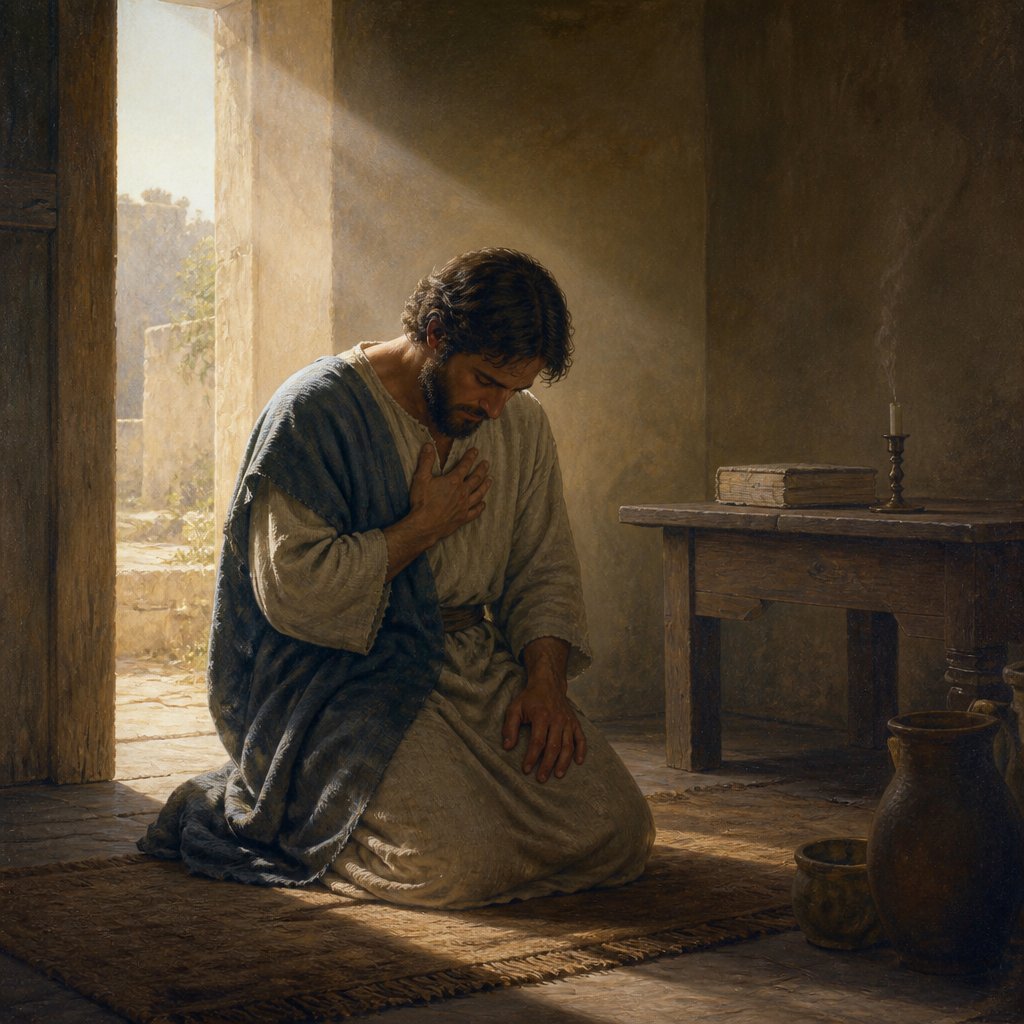
The verse 1 John 1:10 in the King James Version of the Bible states, "If we say that we have not sinned, we make him a liar, and his word is not in us."
This verse is part of the first epistle of John, which was written to encourage and instruct believers in their faith. The theme of sin and forgiveness is central to the message of the epistle, and this verse is no exception. It addresses the importance of acknowledging our sins and seeking forgiveness from God.
The verse begins with the conditional statement, "If we say that we have not sinned…" This phrase implies that it is common for individuals to deny their sinfulness. It is reflective of human nature to be prideful and attempt to justify our actions, rather than confessing our wrongdoings and seeking redemption. However, the verse highlights the consequences of such denial, stating, "we make him a liar, and his word is not in us."
This statement emphasizes the seriousness of denying our sinfulness. To claim that we have not sinned is to effectively call God a liar, as his word clearly teaches that all have sinned and fallen short of his glory (Romans 3:23). It also suggests that those who deny their sinfulness do not truly have the word of God within them, as they are not living in accordance with its truth.
The verse serves as a powerful reminder of the importance of humility and confession in the life of a believer. It is a call to recognize our own fallen nature and the need for God's grace and forgiveness. By acknowledging our sinfulness, we are able to fully embrace the gospel message and experience the transformative power of God's love and mercy in our lives.
In the broader context of the epistle of 1 John, this verse is part of a larger discussion on the nature of sin and its impact on our relationship with God. The author emphasizes the reality of sin and the need for believers to walk in the light of God's truth and grace. Throughout the epistle, there is a consistent message of the need for confession, repentance, and reliance on Christ's atoning sacrifice for the forgiveness of sins.
Symbolically, this verse represents the dichotomy between pride and humility, truth and falsehood, and light and darkness. To deny our sinfulness is to walk in pride and falsehood, rejecting the truth of God's word and living in spiritual darkness. Alternatively, to acknowledge our sinfulness and seek forgiveness is to walk in humility and truth, embracing the light of God's grace and mercy.
Overall, 1 John 1:10 is a powerful and convicting reminder of the reality of sin and the importance of humble confession and repentance. It challenges believers to examine their hearts and acknowledge their need for God's forgiveness, while also affirming the truth and reliability of God's word. This verse serves as a foundational reminder of the gospel message and the transformative power of God's love and grace in the lives of believers.
Get our apps


Artwork for 1 John 1:10

1 John 1:10 - "If we say that we have not sinned, we make him a liar, and his word is not in us."
"If we say that we have not sinned, we make him a liar, and his word is not in us." - 1 John 1:10

John 10:30

John 10:9

1 John 1:9

John 1:10 - "He was in the world, and the world was made by him, and the world knew him not."

1 John 2:10 - "He that loveth his brother abideth in the light, and there is none occasion of stumbling in him."

1 John 4:10 - "Herein is love, not that we loved God, but that he loved us, and sent his Son to be the propitiation for our sins."

1 John 3:10 - "In this the children of God are manifest, and the children of the devil: whosoever doeth not righteousness is not of God, neither he that loveth not his brother."

2 John 1:10 - "If there come any unto you, and bring not this doctrine, receive him not into your house, neither bid him God speed:"

John 10:1 - "Verily, verily, I say unto you, He that entereth not by the door into the sheepfold, but climbeth up some other way, the same is a thief and a robber."
"He was in the world, and the world was made by him, and the world knew him not." - John 1:10

john 1:1

John 1:1

John 1:1

John 1:1

1 John 1:4 - "And these things write we unto you, that your joy may be full."

John 1:1

John 1:1
John 1:1

John 1:1

John 1:1

John 1:1

John 1:1

John 1:1

john 1:1

John 1:1-5

John 1:1-2

John 1:1-5

John 1:1-2