What does 1 John 2:3 mean?
“And hereby we do know that we know him, if we keep his commandments.” — 1 John 2:3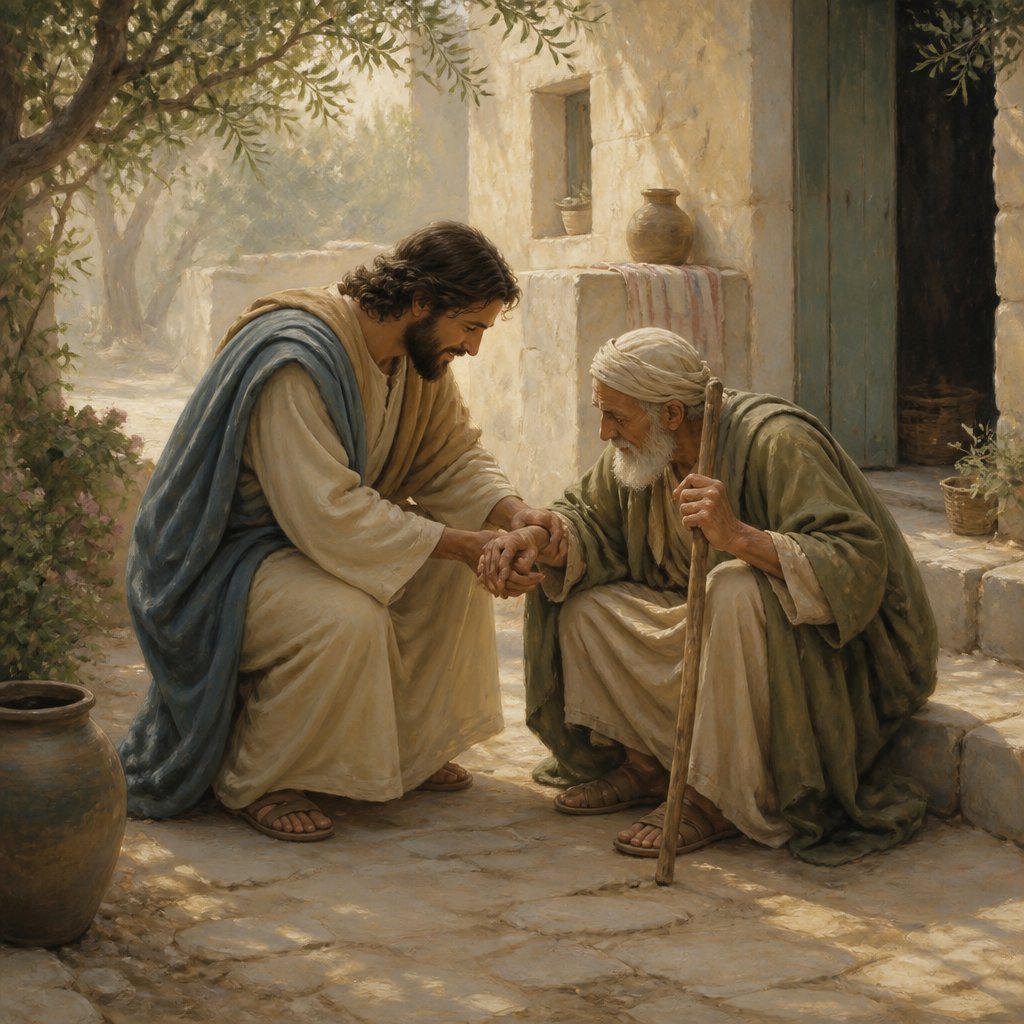
The verse 1 John 2:3 from the King James Version of the Bible states, "And hereby we do know that we know him, if we keep his commandments." This verse is a part of the New Testament, specifically the first epistle of John, which is also known as 1 John. The verse is a part of the larger context of John discussing the importance of keeping the commandments of God and having knowledge of Him.
The verse 1 John 2:3 holds a deep and profound meaning for believers and is a direct call to action for those who claim to have a relationship with God. In this verse, the apostle John emphasizes the importance of obedience and adherence to God's commandments as a tangible way of demonstrating one's knowledge of and relationship with God. It serves as a reminder that knowledge of God is not merely intellectual, but should be reflected in one's actions and attitudes towards His commands.
One of the primary themes of 1 John 2:3 is the concept of obedience to God. Throughout the New Testament, the idea of obedience to God’s commandments is a recurring theme. This verse reinforces the belief that following God's commandments is essential for a genuine and authentic Christian life. It is not enough to profess faith in God; true knowledge of God is demonstrated through obedience.
Another significant theme in this verse is the attainment of assurance. By obeying God's commandments, believers can be assured of their relationship with Him. It serves as a litmus test for believers to evaluate the genuineness of their faith. It is a way for believers to know that they are truly in a relationship with God and have a deeper understanding of Him.
This verse is also deeply rooted in the historical and cultural context of the time it was written. During the time of the apostle John, there were various false teachings and heresies that sought to distort the true nature of the Christian faith. In response, John sought to reaffirm the importance of obedience to God's commandments as a means of protecting believers from misleading doctrines.
Symbolically, the keeping of God's commandments serves as a way to align one's life with God's will. In the Old Testament, the commandments were given to the Israelites as a guide for living a righteous and holy life. Similarly, in the New Testament, the commandments serve as a moral compass for believers, guiding them in their journey of faith. Keeping His commandments is a sign of reverence, respect, and love for God.
In conclusion, 1 John 2:3 holds great significance for believers as it emphasizes the importance of obedience to God’s commandments as a means of demonstrating one's knowledge of and relationship with God. The verse emphasizes the integral connection between knowing God and obeying His commandments. By following His commandments, believers not only demonstrate their faith but also attain assurance in their relationship with God. It symbolizes the alignment of one's life with God's will and serves as a guide for believers in their journey of faith.
Get our apps


Artwork for 1 John 2:3

1 John 2:3 - "And hereby we do know that we know him, if we keep his commandments."

1 John 2:3-5 - "And hereby we do know that we know him, if we keep his commandments. He that saith, I know him, and keepeth not his commandments, is a liar, and the truth is not in him. But whoso keepeth his word, in him verily is the love of God perfected: hereby know we that we are in him."

"And hereby we do know that we know him, if we keep his commandments." - 1 John 2:3
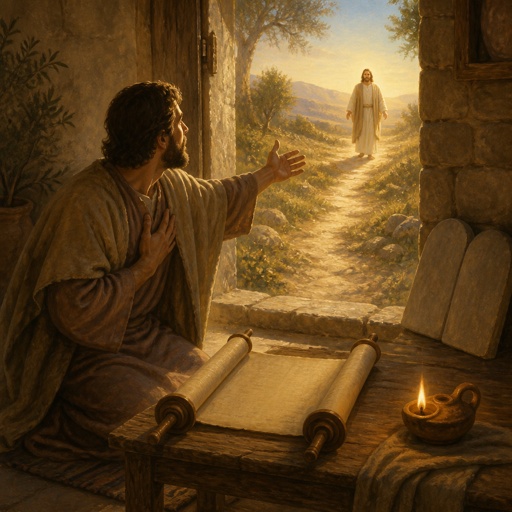
"And hereby we do know that we know him, if we keep his commandments. He that saith, I know him, and keepeth not his commandments, is a liar, and the truth is not in him. But whoso keepeth his word, in him verily is the love of God perfected: hereby know we that we are in him." - 1 John 2:3-5

1 John 2:27

1 John 2:14

1 John 2:14

1 John 2:27

1 John 2:27

1 John 2:27

1 John 3:2 – "Dear friends, now we are children of God, and what we will be has not yet been made known."

1 John 3:2 – "Dear friends, now we are children of God, and what we will be has not yet been made known."

1 John 3:1-3

John 3:3

3 John 1:2 - "Beloved, I wish above all things that thou mayest prosper and be in health, even as thy soul prospereth."

1 John 2:26 - "These things have I written unto you concerning them that seduce you."

2 John 1:3 - "Grace be with you, mercy, and peace, from God the Father, and from the Lord Jesus Christ, the Son of the Father, in truth and love."

John 3:3-8

1 John 2:20 - "But ye have an unction from the Holy One, and ye know all things."

John 1:1-3 KJVA (1) In the beginning was the Word, and the Word was with God, and the Word was God. (2) The same was in the beginning with God. (3) All things were made by him; and without him was not any thing made that was made.

John 1:1-3 KJVA (1) In the beginning was the Word, and the Word was with God, and the Word was God. (2) The same was in the beginning with God. (3) All things were made by him; and without him was not any thing made that was made.

John 2:3 - "And when they wanted wine, the mother of Jesus saith unto him, They have no wine."

1 John 2:25 - "And this is the promise that he hath promised us, even eternal life."

1 John 2:12 - "I write unto you, little children, because your sins are forgiven you for his name's sake."

John 3:14

John 3:16

John 1:3

John 1:3

John 3:16

1 John 2:10 - "He that loveth his brother abideth in the light, and there is none occasion of stumbling in him."